
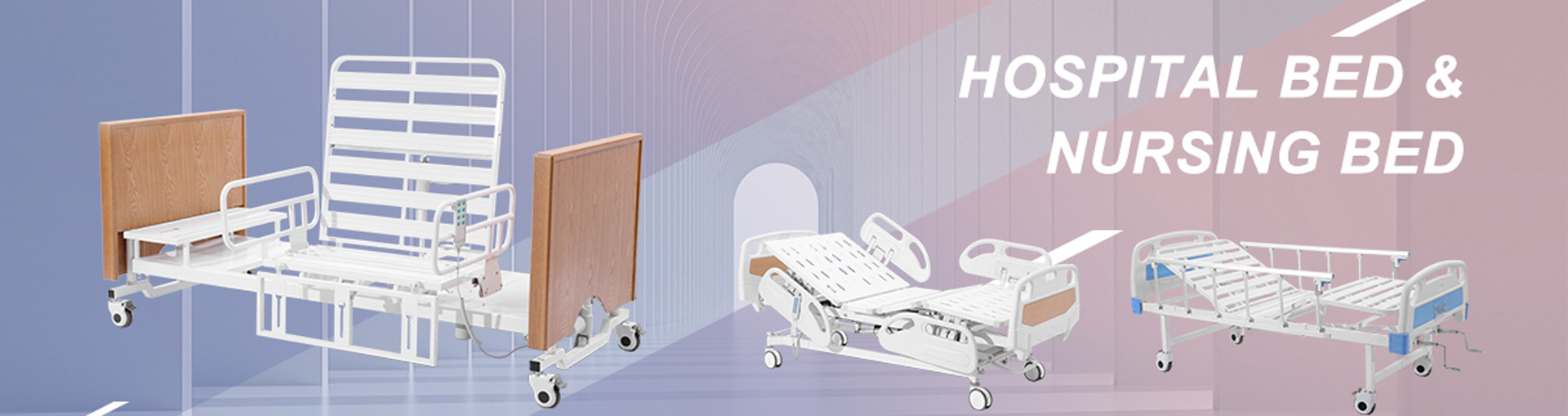
In today's era of rapid advancements in medical care equipment, the "electric multi-functional hospital bed" has become an increasingly prevalent type of care bed in hospitals, nursing homes, and home care settings, thanks to its extensive adjustability, intelligent features, and ergonomic design.
As more people prioritize user experience and the quality of care, a common question has emerged: Do electric multi-functional hospital beds require a specialized mattress?
The answer is—yes, they do.
While many people assume that any standard mattress can be used on an electric multi-functional hospital bed, the reality is that ordinary mattresses are incompatible with these beds in terms of structure, flexibility, support mechanisms, bending capabilities, and their compatibility with the bed's multi-segmented platform. Choosing the wrong mattress not only compromises patient comfort but also hinders the bed's adjustment functions and may even pose safety risks.
This article will provide an in-depth analysis of the relationship between electric multi-functional hospital beds and specialized mattresses, helping readers gain a comprehensive understanding from a professional perspective.
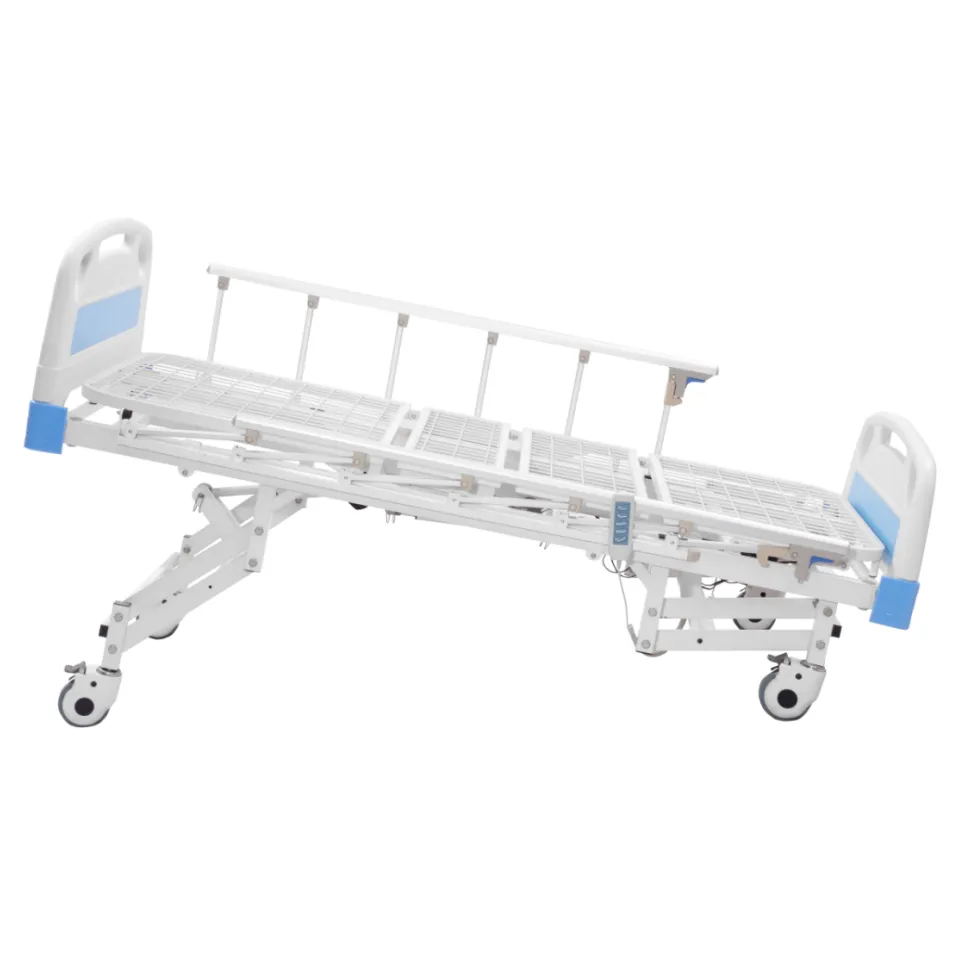
What Is an Electric Multi-functional Hospital Bed? And Why Does It Influence Mattress Selection?
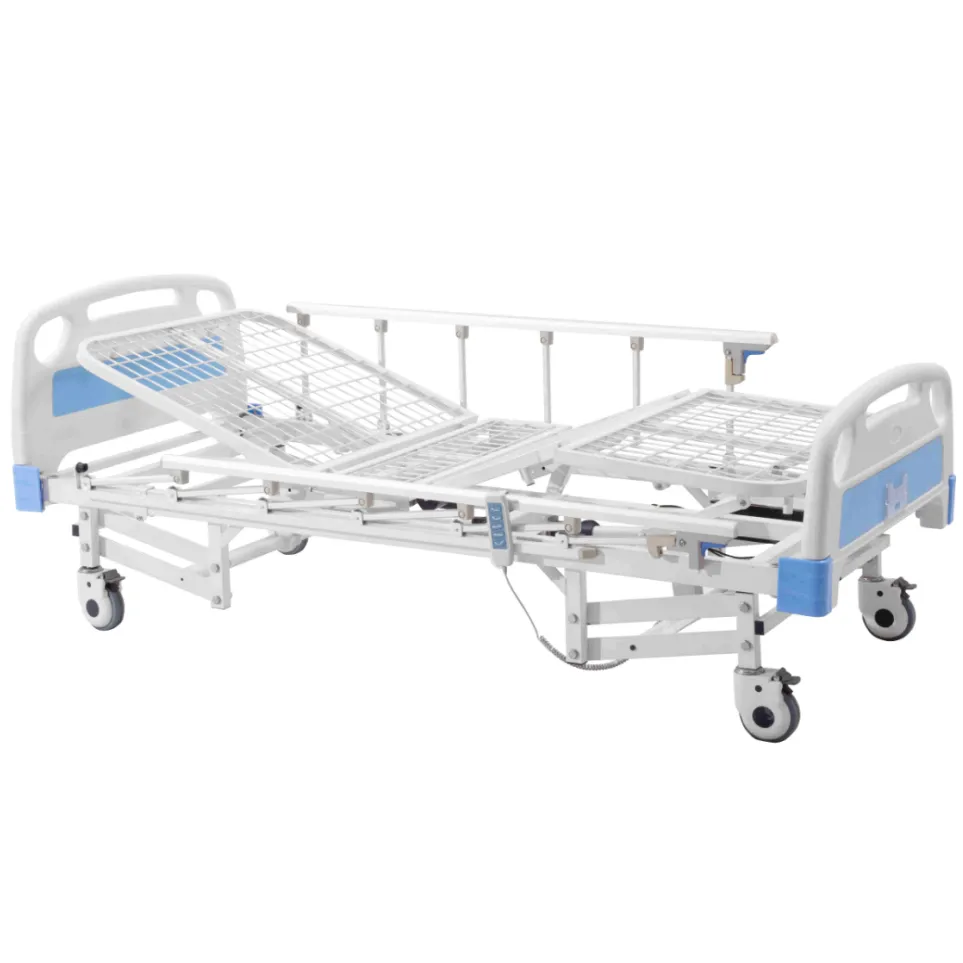
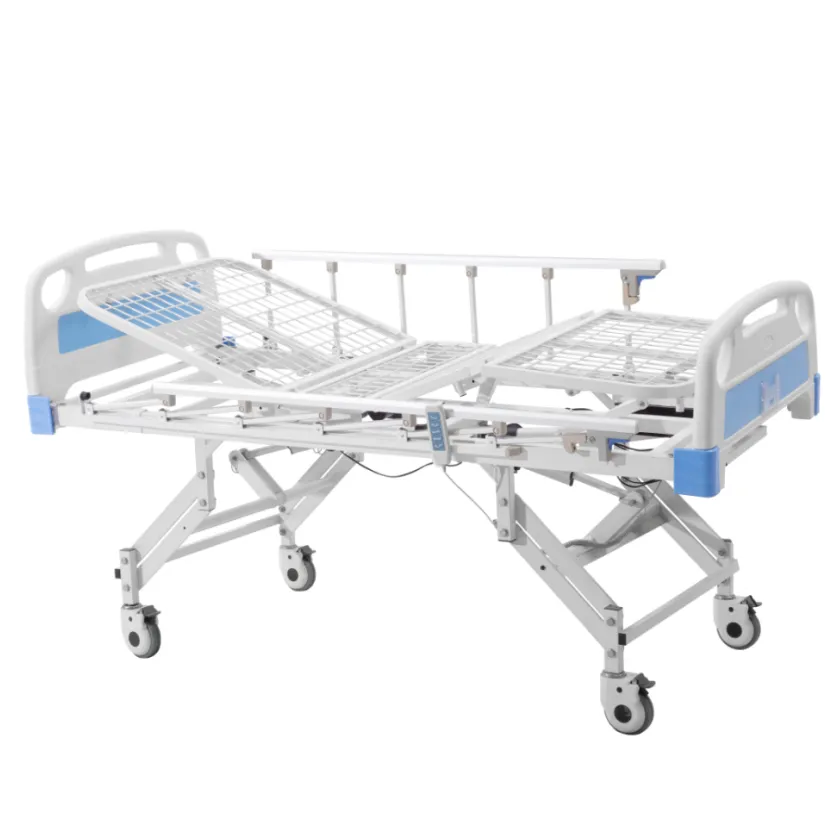
An electric multi-functional hospital bed is a type of care bed driven by multiple motors, enabling multi-segmented adjustments such as head elevation, leg elevation, backrest lifting, overall height adjustment, and lateral turning. Compared to traditional hospital beds, electric multi-functional beds feature a more flexible and complex mechanical structure, with a bed frame composed of multiple independently movable sections.
For example:
•The backrest section can be raised to an upright sitting angle.
•The leg section can be raised or lowered.
•The entire bed can be raised or lowered to facilitate nursing procedures.
•Certain models feature a lateral turning function.
These adjustment capabilities impose requirements on the mattress that are far more rigorous than those for a standard flat bed.
Ordinary mattresses typically possess a monolithic structure; they lack the high flexibility and bending capacity required to naturally conform to the shape of the bed frame as its segments are raised. Therefore, electric multi-functional hospital beds must be equipped with a specialized mattress designed to be compatible with their multi-segmented structure.
Why Do Electric Multi-functional Hospital Beds Require a Specialized Mattress?
To answer this question, we will conduct a professional analysis covering various aspects, including structure, functionality, safety, and care requirements.
1. Accommodating the Multi-Sectional Structure of Electric Multi-Functional Beds
The defining characteristic of an electric multi-functional bed is its "multi-sectional articulated structure." The back, lumbar, leg, and foot sections can each be raised or lowered independently.
Standard mattresses are typically monolithic in design, meaning their internal filling cannot flex in tandem with the bed frame. If a standard mattress is used:
•The mattress will be forcibly bent, making its internal structure prone to damage.
•The mattress will fail to conform closely to the bed platform, giving the patient a sensation of "sliding off."
•The bending angles will be unnatural, causing discomfort to the user.
In contrast, specialized mattresses are designed with segmented sections that correspond to the bed platform's structure, allowing them to flex and articulate smoothly alongside the electric multi-functional bed.
2. Enhancing Patient Comfort
Electric multi-functional beds are frequently used by long-term bedridden patients, post-operative patients, the elderly, and individuals undergoing rehabilitation—groups with exceptionally high demands for comfort.
Specialized mattresses typically incorporate the following design features:
•A multi-layer pressure-dispersion structure.
•High-resilience materials.
•Flexible materials utilized in the articulated (bending) zones.
•A balanced distribution of support zones and cushioning zones.
Standard mattresses are unable to provide this level of specialized support.
3. Ensuring the Smooth Operation of Electric Adjustment Functions
The various movements performed by an electric multi-functional bed include:
•Back elevation.
•Leg elevation.
•Overall height adjustment.
•Lateral tilting (left/right).
•Adjustment to the "cardiac chair" position.
If a mattress incompatible with these functions is used, the following issues may arise:
•The mattress may jam against the bed platform.
•The mattress may shift out of place or tilt.
•Precise angle adjustments may be impossible to achieve.
•The normal operation of the electric mechanism may be compromised.
Specialized mattresses ensure that these movements are executed smoothly and without obstruction.
4. Mitigating Safety Hazards
Using an unsuitable mattress can lead to the following safety issues:
•The mattress sliding, potentially causing the patient to fall.
•Gaps forming between the mattress and the bed rails.
•The mattress collapsing or buckling when the bed platform is elevated.
•Obstruction of the electric system, leading to mechanical damage.
Therefore, utilizing a specialized mattress on an electric multi-functional bed effectively enhances overall safety.
5. Better Suited for Long-Term Care Needs
Most users of electric multi-functional hospital beds are individuals who are bedridden for extended periods. They require:
•Effective prevention of bedsores (pressure ulcers)
•Uniform pressure distribution
•Natural spinal support
•Reduced discomfort when changing positions
These requirements can only be met through the use of a specially designed mattress.
What is the difference between a standard mattress and a mattress specifically designed for electric multi-functional hospital beds?
To clarify the differences between the two, we will provide a specific comparison based on the following aspects:
1. Differences in Flexibility (Bending Capability)
•Standard Mattresses: Cannot withstand bending at steep angles.
•Specialized Mattresses: Possess excellent flexibility and can bend naturally.
2. Differences in Internal Structure
•Standard Mattresses: Monolithic, heavy, and typically composed of a single unit of springs or foam.
•Specialized Mattresses: Feature segmented support zones, a flexible structure, and a breathable design.
3. Differences in Pressure Distribution Capability
•Standard Mattresses: Prone to causing localized pressure points.
•Specialized Mattresses: Utilize scientifically engineered materials to minimize pressure points.
4. Incompatibility with Bed Articulation
When the bed frame articulates (raises or lowers), standard mattresses may exhibit the following issues:
•Jamming
•Shifting or displacement
•Failure to lift properly
•Unnatural rebound/return to shape
Specialized mattresses, conversely, align perfectly with the movements of the bed frame.
5. Differences in Service Life
The service life of a standard mattress is significantly shortened when used on an electric multi-functional hospital bed, whereas a specialized mattress remains stable and durable even under frequent adjustments.
What problems arise from using a standard mattress on an electric multi-functional hospital bed?
This is a concern shared by many users.
Listed below are the primary issues that may be encountered:
•The mattress cannot bend naturally in sync with the bed's electric movements.
•The mattress suffers damage, deformation, or internal structural failure.
•The patient experiences discomfort or even pain.
•Mattress shifting creates safety hazards.
•The electric drive system may become compressed or obstructed.
•Angle adjustments become inaccurate.
•The risk of developing bedsores increases.
In summary, standard mattresses are unable to meet the practical operational requirements of electric multi-functional hospital beds.
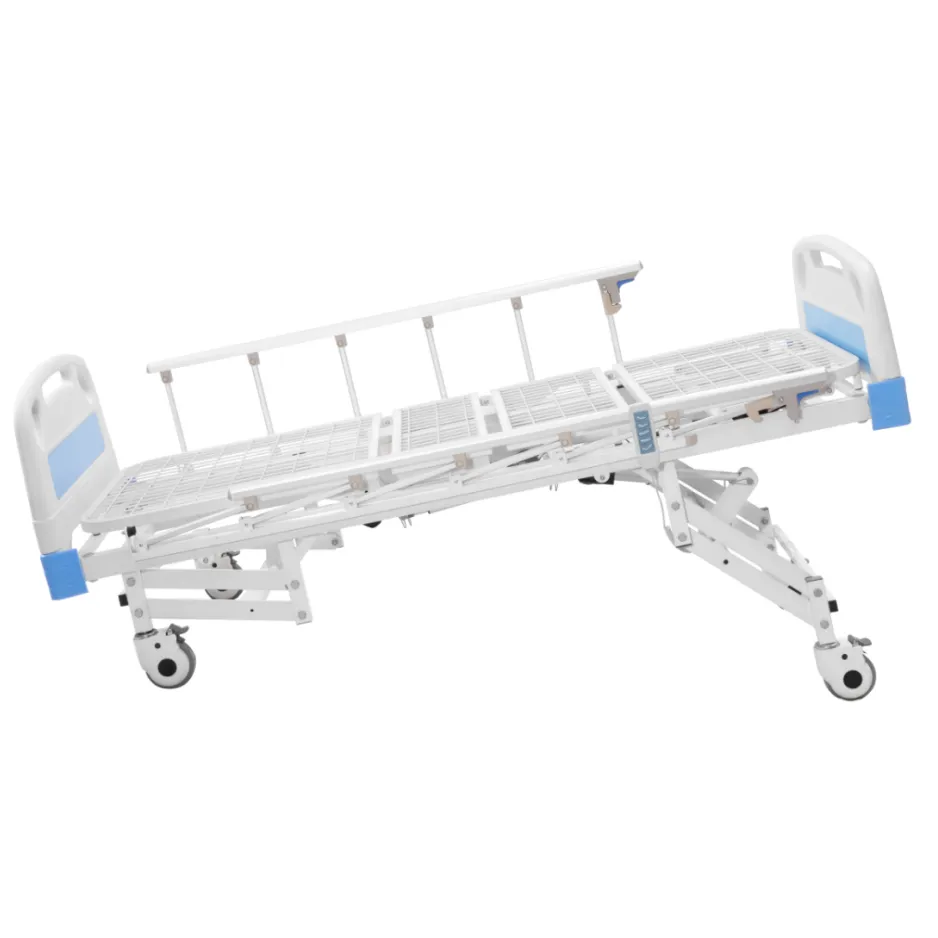
What are the key features of a specialized mattress? Why is it better suited for electric multi-functional hospital beds?
Below, we explain the key design principles of specialized mattresses from a professional perspective.
1. Highly Flexible Materials
Specialized mattresses typically utilize:
•Memory foam
•High-resilience foam
•Medical-grade PU foam
•Air cushion systems
These materials are capable of adapting to the dynamic movements of the bed deck.
2. Segmented Design
Specialized mattresses divide the surface into functional zones based on the bed deck's configuration, ensuring that the mattress remains softer and more pliable at the bending points.
3. Pressure Redistribution Design
Many specialized mattresses feature:
•Anti-decubitus (anti-bedsore) structures
•Micro-airflow circulation systems
•Pressure-relieving foam layers
These features help maintain the patient's skin health over extended periods.
4. Anti-slip Design
Specialized mattresses are typically equipped with:
•Non-slip textures on the underside
•Securing straps or buckles
These ensure that the mattress remains firmly in place and does not slide while the bed frame is being adjusted.
5. High Breathability
Patients requiring long-term bed rest require adequate ventilation; specialized mattresses are optimized in both their core materials and fabric covers to ensure superior breathability.
Can a standard mattress be used with an electric multi-functional hospital bed?
Theoretically, a standard mattress *can* be placed on an electric multi-functional hospital bed; however, from the perspectives of medical care and safety, this is not recommended.
Standard mattresses fail to meet the following essential criteria:
•Synchronized flexing with the bed deck
•Prevention of mattress slippage
•Provision of pressure redistribution protection
•Ensurance of smooth and unhindered bed adjustments
Therefore, in professional healthcare settings or long-term care environments, the use of a specialized mattress is mandatory.
Why is a specialized mattress mandatory for electric multi-functional hospital beds?
The primary reasons are as follows:
1.The multi-segmented folding structure requires a mattress capable of natural, flexible deformation.
2.Patients require safe, comfortable, and continuous support over extended periods.
3.A standard mattress may potentially damage the bed frame's mechanical drive system.
4.A specialized mattress facilitates nursing procedures and patient handling more effectively.
5.It aids in the prevention of pressure ulcers (bedsores) and skin injuries.
In summary, using a specialized mattress is not merely about enhancing comfort; it is fundamentally about ensuring patient safety.
What key characteristics should a mattress for an electric multi-functional hospital bed possess?
When selecting a mattress, consider the following criteria:
•High flexibility or a segmented structural design
•Scientifically engineered pressure redistribution
•Ease of cleaning and water resistance
•High breathability
•Secure fastening mechanisms
•Precise dimensional compatibility with the bed frame
•Appropriate and balanced support
Specialized mattresses are not only designed to accommodate the bed's adjustment movements but also significantly enhance overall patient comfort.
What should be the thickness of a mattress for an electric multi-functional hospital bed?
The typical thickness range is 8–15 centimeters.
Excessive thickness can lead to:
•Difficulty in flexing
•Obstruction of bed frame movements
•Compromised effectiveness of side rails
Insufficient thickness can lead to:
•Inadequate support
•Discomfort
•Susceptibility to deformation
Therefore, the mattress must be compatible with the structural design of the electric multi-functional hospital bed.
How do you choose the right mattress for an electric multi-functional hospital bed?
When selecting a mattress, it is recommended to consider the following factors:
•Whether its dimensions match the bed platform
•Whether the material possesses sufficient flexibility
•Whether it features anti-bedsore (pressure ulcer prevention) capabilities
•Whether it is specifically designed for use with electric multi-functional hospital beds
•Whether it offers adequate resilience and support
•Whether it is safe and slip-resistant
For long-term care settings, it is recommended to choose an anti-bedsore mattress or an air mattress.