

When purchasing or evaluating a manual wheelchair, wheel size is almost always a topic of discussion. Many people intuitively believe that larger wheels make it easier to push and that the wheelchair performs better.
However, from a professional perspective, this understanding is not entirely accurate.
In fact, whether bigger wheels are always better for manual wheelchairs cannot be generalized; it requires a comprehensive assessment considering the usage environment, operating method, and ergonomic factors.
This article will systematically analyze the impact of wheel size on the rolling resistance, comfort, flexibility, and operational burden of manual wheelchairs, helping readers develop a scientific and rational understanding.
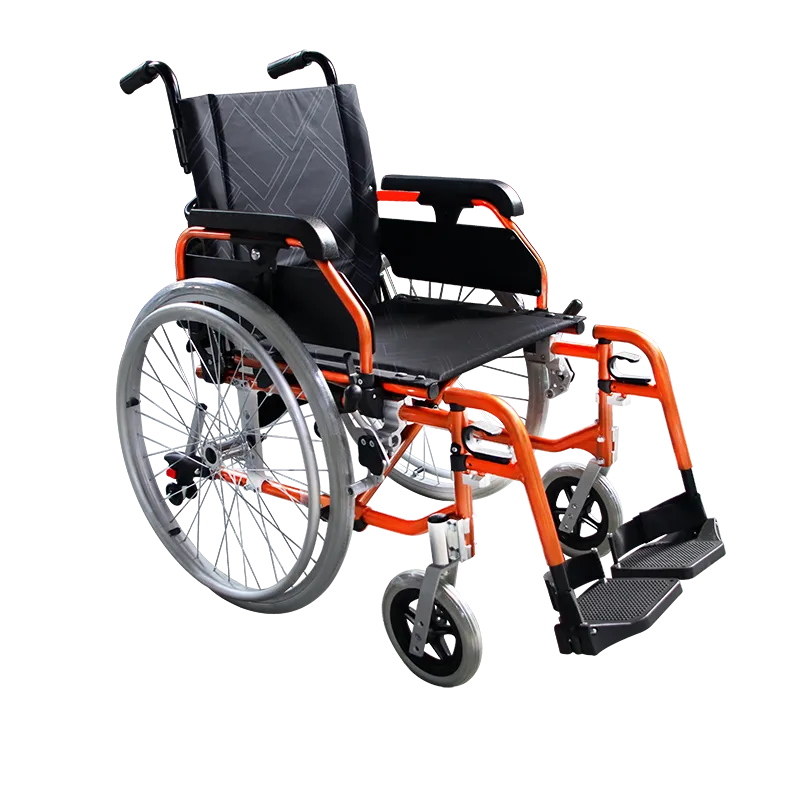
What does "wheel size" typically refer to for manual wheelchairs?
Before discussing whether "bigger wheels are always better for manual wheelchairs," we first need to clarify a premise: what specific parts are included in the wheel size?
1. What are the main wheels in a manual wheelchair?
A standard manual wheelchair typically consists of two types of wheels:
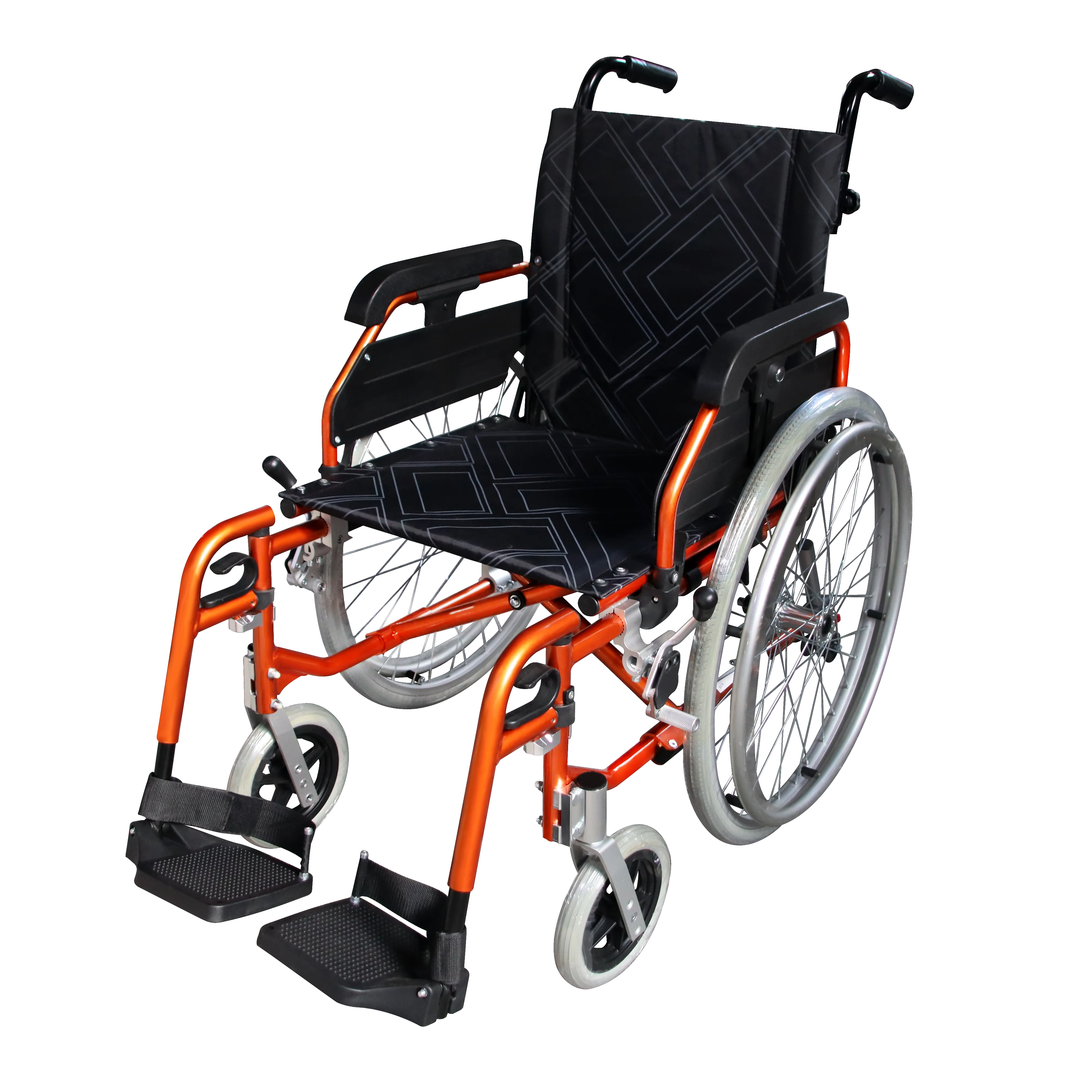
• Rear wheels (main wheels): Larger in diameter, usually equipped with a push ring, these are the primary load-bearing and driving wheels of the manual wheelchair.
• Front wheels (casters): Smaller in diameter, mainly used for steering and balance.
When users discuss wheel size, they almost always refer to the diameter of the rear wheels, as it directly affects the pushing method, rolling performance, and user experience.
2. Why is rear wheel size so crucial?
During the use of a manual wheelchair:
• The pushing force acts directly on the rear wheels.
• The rear wheels determine the level of resistance when traversing the ground.
• The rear wheels affect the overall height of the wheelchair and the seating posture.
Therefore, rear wheel size is a core factor in determining whether the wheel size is appropriate.
Does a larger manual wheelchair always mean lower rolling resistance?
This is one of the most common and crucial questions when discussing this issue.
Conclusion first: Under the same conditions, larger wheels generally have lower rolling resistance, but this does not mean that "larger wheels are always better."
1. Why do larger wheels have less rolling resistance?
From a physics perspective:
• Larger wheel diameter
• Stronger "crossing ability" of the wheel's contact point with the ground
• Wheels roll more easily over small obstacles or uneven surfaces
Therefore, under the same ground conditions, manual wheelchairs with larger rear wheels are generally easier to push and require less sustained pushing force.
2. What are the advantages of lower rolling resistance?
For manual wheelchairs, lower rolling resistance means:
• More even distribution of effort during pushing
• Smoother movement
• Greater comfort during long-distance travel
This is why manual wheelchairs with larger rear wheels are generally preferred outdoors or on rougher surfaces.
Why does "bigger wheels" not necessarily mean "better manual wheelchairs"?
While larger wheels offer advantages in rolling performance, manual wheelchairs are not tools designed solely for "straight-line rolling."
In practical use, several other important factors are affected by wheel size.
1. Does larger wheels always reduce maneuverability?
In most cases, yes.
Larger rear wheels typically mean:
• Increased turning radius
• More space required for turning on the spot
• Greater range of motion required for fine-tuning direction
Therefore, in indoor or confined spaces, manual wheelchairs with excessively large wheels are often less maneuverable.
2. Does it affect the precision of operation?
Larger wheel diameter:
• Longer distance traveled with a single push
• A relatively coarser pushing rhythm
For scenarios requiring frequent repositioning, manual wheelchairs with smaller wheels are actually easier to control precisely.
How does the size of the wheels in a manual wheelchair affect comfort?
Comfort is an important dimension in evaluating manual wheelchairs, and wheel size plays an indispensable role.
1. Why are larger wheels generally more comfortable?
Larger rear wheels, when traversing the ground,
• provide better "filtering" of vibrations
• are less sensitive to minor bumps
This results in manual wheelchairs during movement:
• transmit less vibration to the body
• provide a smoother overall ride
Especially outdoors, manual wheelchairs with larger wheels often offer greater comfort.
2. Is comfort solely determined by wheel size?
No.
It's important to note that wheel size is only one factor influencing comfort, not the sole determining factor.
Even with larger wheels, comfort can still be compromised if other structural design flaws are not well-thought-out.
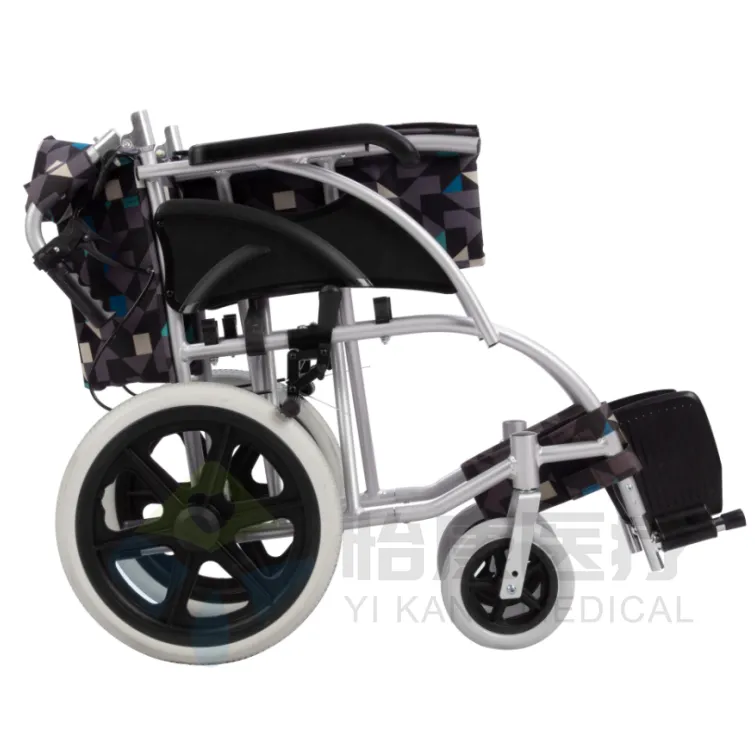
Are manual wheelchairs with smaller wheels necessarily more strenuous?
This is a common but easily misunderstood question.
1. Smaller wheels do not equate to "more effort"
While smaller wheels generally require more pushing force from a rolling resistance perspective, they offer significant advantages in the following ways:
• More responsive operation
• Easier steering
• Higher efficiency for indoor mobility
In short-distance, high-frequency operations, a manual wheelchair with smaller wheels is not necessarily more strenuous than one with larger wheels.
2. Pushing method is equally crucial
In using a manual wheelchair:
• Pushing posture
• Pushing height
• Arm exertion method
All of these significantly affect physical exertion.
Therefore, one cannot judge "effortlessness" solely based on wheel size.
How can we understand that "appropriate wheel size" is more important than "larger wheels"?
Returning to the core conclusion of this article: The wheels of a manual wheelchair are not necessarily better the bigger they are; they must be "appropriate."
1. What does "appropriate" mean first and foremost?
The appropriate wheel size should meet the following basic principles:
• Allow the user to maintain a comfortable and natural sitting posture
• The pushing height is within a reasonable range
• Requires no excessive shoulder lifting or forward leaning when pushing
If the wheels are too large, it may disrupt this balance.
2. Appropriate also means "effortless rather than forced effortless"
Truly effortless manual wheelchairs do not simply rely on large wheels to reduce resistance, but rather:
• While ensuring a comfortable sitting posture
• Minimize the effort required for each push
This is the core logic that should be followed when choosing wheel size.
Does the size of a manual wheelchair wheel affect the overall handling?
The answer is yes, and the impact is very direct.
1. Handling characteristics of large wheels
• Stable movement
• Slower but continuous rhythm
More suitable for long-distance, straight-line movement
2. Handling characteristics of small wheels
• Faster response
• Easier steering
• More suitable for space-constrained environments
Therefore, manual wheelchairs with different wheel sizes essentially reflect different handling orientations.
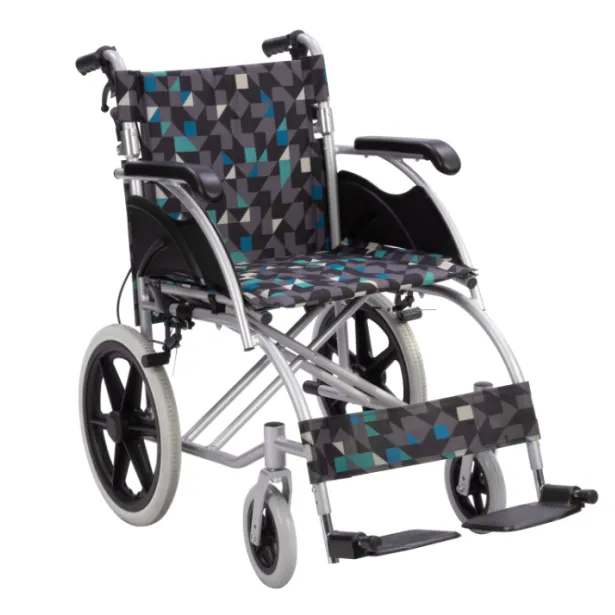
Why can't we simply evaluate manual wheelchair wheels as "bigger is better"?
"Bigger is better" is a typical example of single-indicator thinking, while a manual wheelchair is an assistive tool that highly relies on the matching relationship between the user, the equipment, and the environment.
Focusing solely on wheel size easily overlooks:
• Differences in the usage environment
• Differences in operating methods
• Overall ergonomic balance
From a professional perspective, wheel size is just one variable in the overall design of a manual wheelchair, not an absolute advantage.
Can I purchase Yikang Medical products in bulk or wholesale?
Yes. Yikang Medical is a professional Chinese manufacturer and supplier of hospital and rehabilitation equipment, offering high-quality products suitable for wholesale, bulk purchasing, and OEM partnerships. Our range includes hospital beds, nursing beds, electric and manual wheelchairs, bath chairs, toilet chairs, walkers, and canes. We provide customization services for appearance, configuration, and color.
With ISO13485, ISO9001, CE, and FDA certifications, you can trust Yikang Medical to supply durable, reliable, and internationally compliant medical equipment with timely delivery in 30-45 working days.