
In rehabilitation training for the elderly, walking assistance after lower limb injuries, and daily life for people with mobility impairments, "walking frames" and "rollators" are two of the most common and important assistive walking devices. Although both are mobility aids, their actual structure, functional positioning, usage methods, and applicable scenarios differ significantly.
Many people ask: "What exactly is the difference between a walking frame and a rollator? In what situations should a walking frame be used? In what situations is a rollator more suitable?"
To help users choose the right device for themselves, this article will provide a comprehensive analysis of the differences between the two from a professional perspective, allowing you to thoroughly understand the usage logic and applicable scope of walking frames and rollators.
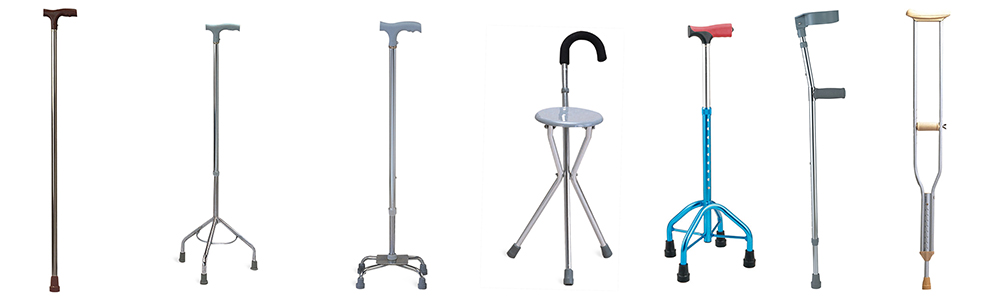
What are the fundamental structural differences between a walking frame and a rollator?
To understand the differences between a walking frame and a rollator, you must first understand their structural differences.
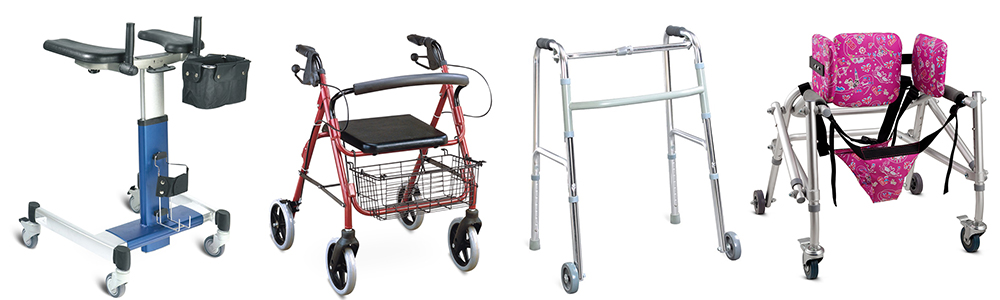
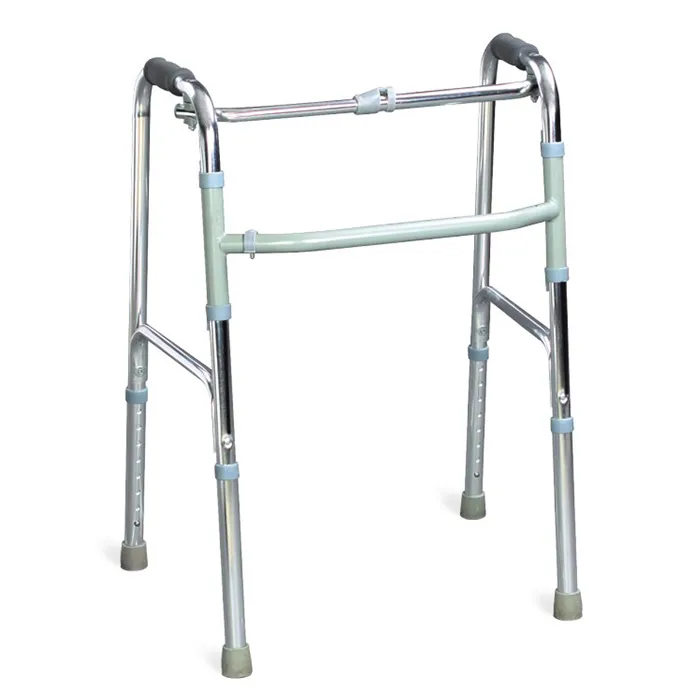
Typical structural features of a walking frame:
• Mostly four-legged.
• Usually wheelless, or with two front wheels and no rear wheels.
• The frame is fixed or foldable.
• Walking requires using the upper limbs to lift and move or push the front wheels.
• Suitable for short distances, slow speeds, and scenarios requiring high stability.
The design focus of a walking frame is "stability" and "slowness," helping users gradually recover lower limb strength.
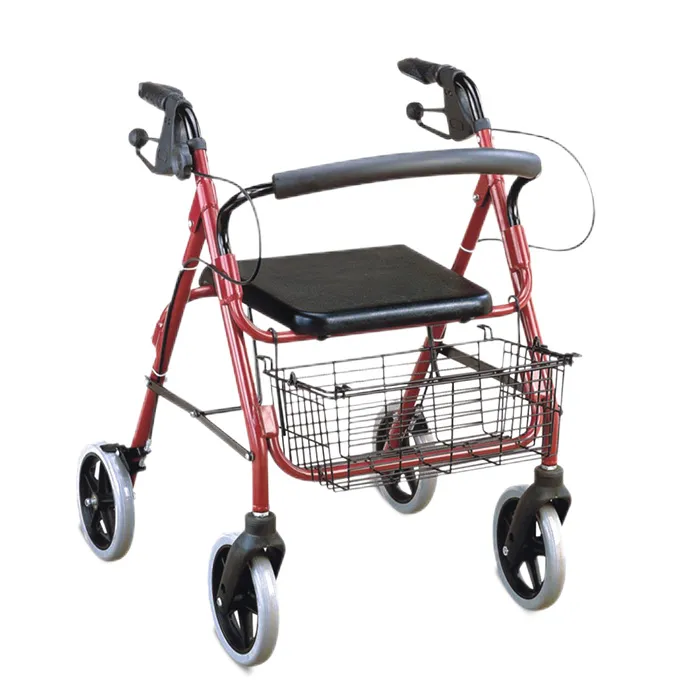
Typical structural features of a rollator (four-wheeled rollator):
• Four large wheels (generally 6-10 inches).
• Built-in braking system (grip-type handbrake).
• Usually equipped with a seat, storage bag, backrest, etc.
• Can glide smoothly on flat outdoor ground.
• Suitable for medium to long distance walking and alternating rest.
The design focus of a rollator is "glide, energy-saving walking, and convenient outdoor movement."
What usage scenarios are suitable for a walking frame? Where is a rollator suitable?
The applicable scenarios for walking frames and rollators differ greatly, which is one of their core differences.
Walking frame application scenarios:
• Flat indoor floors such as rooms and corridors
• Rehabilitation training rooms
• Hospital wards
• Locations requiring slow movement, such as bathrooms and bedroom doorways
Walking frames are particularly suitable for:
• The rehabilitation phase requiring steady progress
• Users who can only move short distances
• People with insufficient strength after surgery who need a large point of support
Walking frame summary:
Walking frames are suitable for indoor environments with short distances, low speeds, and high stability requirements.
Rollator walker (four-wheeled rollator) application scenarios:
• Community roads
• Supermarkets and shopping malls
• Parks and outdoor trails
• Sidewalks
• Longer walking routes
Rollator walkers' four large wheels are suitable for:
• Irregular surfaces
• Spacious spaces
• Long walking distances
• Situations requiring frequent rest (with a seat cushion)
Rollator walker summary:
Rollator walkers are more suitable for outdoor environments, long distances, scenarios requiring sitting down for rest, and where convenience is paramount.
How do walking frames and rollator walkers differ in usage?
Structural differences lead to significant differences in usage.
How to use a walking frame:
1. Lift the walking frame or push the front wheels forward a small step.
2. Take a step forward.
3. Repeat the action.
Characteristics:
• Slow walking pace
• Requires more upper body strength
• Stable gait, segmented movement
Essentially:
One support point, one movement point, alternating between them.
How to use a rollator:
1. Hold the handles with both hands.
2. Gently push the vehicle.
3. Move forward using the four wheels.
4. Gently pull the handbrake when stopping.
Characteristics:
• Less force required
• Natural gait
• Effortless gliding
• Can be sat down at any time
Using a rollator is more like "pushing a sturdy vehicle along with you."
Essentially:
Continuous movement, smooth, continuous walking.
What are the differences in stability between a walking frame and a rollator?
Stability is a key indicator when choosing an assistive walking device.
Walking frame stability (very high)
Because walking frames typically:
• Use all four legs
• Have no wheels or only a front wheel
• Require a stable landing before each movement
Therefore, their stability is very high, making them especially suitable for:
• Users with insufficient leg strength
• Users with weak balance
• Users who need "support and reliance" rather than "movement speed"
Stability is the biggest advantage of walking frames.
Rollator walker stability (high but road-dependent)
While rollator walkers have a sturdy structure, their stability is affected by the road surface:
• Uneven surfaces may cause bumps
• Braking is required when going downhill
• Speed may be relatively high during use
• Requires a certain level of balance
Therefore, rollator walkers are suitable for:
• Users with moderate balance
• Users who can maintain a certain walking rhythm
• Users who need to walk longer distances
Rollator walker stability is more focused on "balance while moving".
What are the differences in safety between walking frames and rollator walkers?
Safety is a crucial factor to consider when choosing a walking aid.
Walking Frame Safety (Safest Indoors)
Walking frames are safer because:
• They don't easily slip.
• They stop steadily with every movement.
• They provide a wide support surface.
• They don't rely on wheels.
Especially suitable for:
• Indoor tile floors
• Slippery floors (safer than a rollator)
• Small spaces (won't get stuck on the four wheels)
Walking frames are a "stable support" safety choice.
Rollator walker Safety (Safer Outdoors)
Rollator walkers are safer outdoors than walking frames because:
• Four wheels make rolling easier and less likely to cause falls.
• Handbrakes allow for speed control.
• They are smoother on different surface materials.
• You can sit down and rest to avoid fatigue.
However, in confined indoor spaces, they are more prone to:
• Getting stuck in furniture.
• The wheels slip too quickly.
• Difficulty turning.
Rollator walkers are a "mobile" safety design, more suitable for outdoor walking.
Who are walking frames suitable for? Who are rollators suitable for?
This is one of the most crucial questions when purchasing.
Walking frames are suitable for:
• Early post-operative recovery
• Individuals with weak limbs and difficulty standing
• Individuals with poor balance
• Individuals with slow walking speed and frequent pauses
• Individuals needing short-distance training
• Individuals needing indoor mobility support
Walking frames are designed for those in the recovery phase and those with high safety requirements.
Rollator walkers are suitable for:
• Individuals who can stand independently
• Individuals with moderate to high balance
• Individuals capable of medium to long-distance walking
• Individuals who need to conserve energy
• Individuals who frequently spend time outdoors
• Users who need to sit down and rest
• Individuals who want to use a rollator walker as an "outdoor assistive vehicle"
Rollator walkers are suitable for users who have stable walking but want to increase their range of motion.
What are the differences in convenience between walking frames and rollator walkers?
Convenience refers to:
• Ease of operation?
• Ease of folding?
• Inconvenience of carrying around?
These are explained below.
Walking frame convenience:
• Lightweight
• Mostly foldable
• Simple operation
• Suitable for temporary use
• Easy to move indoors
But not suitable for:
• Long outdoor distances
• Uneven ground
Rollator walker convenience:
• Foldable (requires two hands to operate)
• Easy to push
• Includes storage baskets for easier outings
• Allows for sitting and resting
But relatively larger, not as lightweight as a walking frame, and requires more space for turning indoors.
Which is less strenuous, a walking frame or a rollator walker? Why?
Strenuousity is another important difference between the two.
Walking Frame (Not very strenuous)
Reasons:
• Requires lifting or pushing, relying on arm strength
• Slow pace
• Requires a "move-stop-take a step" rhythm
Suitable for:
• Those with insufficient strength but need support
• Recovery training phase
Rollator walker (Very strenuous)
Reasons:
• Four wheels rolling, easy gliding
• No need to lift
• Natural pace
• Can rely entirely on the frame for support
Suitable for:
• Those who need to walk longer distances
• Those who want to reduce fatigue
What are the price differences between walking frames and rollator walkers?
Generally speaking:
Walking frames are cheaper:
• Simple structure
• No braking system
• No seat or basket
• Low production cost
Perfect for those on a budget.
Rollator walkers are slightly more expensive:
Because rollator walkers usually come with:
• Large wheels
• Handbrake system
• Seat and backrest
• Storage bag
But still within the mainstream price range.
Walking frames and rollators differ significantly, and the choice depends on the scenario and the individual's physical condition.
Through the above systematic analysis, we can draw clear conclusions:
Walking frames are suitable for:
• Indoors
• Short distances
• High stability requirements
• Initial stages of rehabilitation training
• Individuals with weak standing and walking strength.
Walking frame = Stable support device.
Rollator walkers are suitable for:
• Outdoors
• Medium to long distances
• Conserving energy
• Having some balance ability
• People who need to rest frequently.
Rollator walkers = Convenient outdoor walking device.
There is no absolute "better" between the two, only "more suitable".
Understanding your own needs, usage scenarios, and physical condition is crucial to choosing the most suitable assistive walking device.
What customization options does Yikang Medical offer for wheelchairs?
Yikang Medical offers extensive customization for electric and manual wheelchairs, including color, frame material, seat type, wheel size, and additional features. Located in Foshan, China, our factory has been producing high-quality rehabilitation equipment since 2010 and became an OEM partner for major brands in 2014. Our products meet ISO13485, ISO9001, CE, and FDA standards, ensuring safety and durability.