
In the manual wheelchair market, there is a wide variety of product types and significant structural differences. Each type of manual wheelchair has a specific functional positioning and target user group. Among them, the "Type 4 manual wheelchair" has received widespread attention due to its ultra-lightweight, durable, easy-to-fold, and suitable for frequent daily mobility.
However, many people are often confused when faced with model classifications and don't understand what a "Type 4 manual wheelchair" actually means. What are the differences between it and a regular manual wheelchair? Is it truly suitable for daily life and outdoor travel?
This blog will provide a comprehensive professional analysis of the "Type 4 manual wheelchair," helping you understand its structural characteristics, advantages, and key parameters to consider when purchasing, allowing you to quickly make the right choice among numerous manual wheelchair products.
What is the core definition of a Type 4 manual wheelchair?
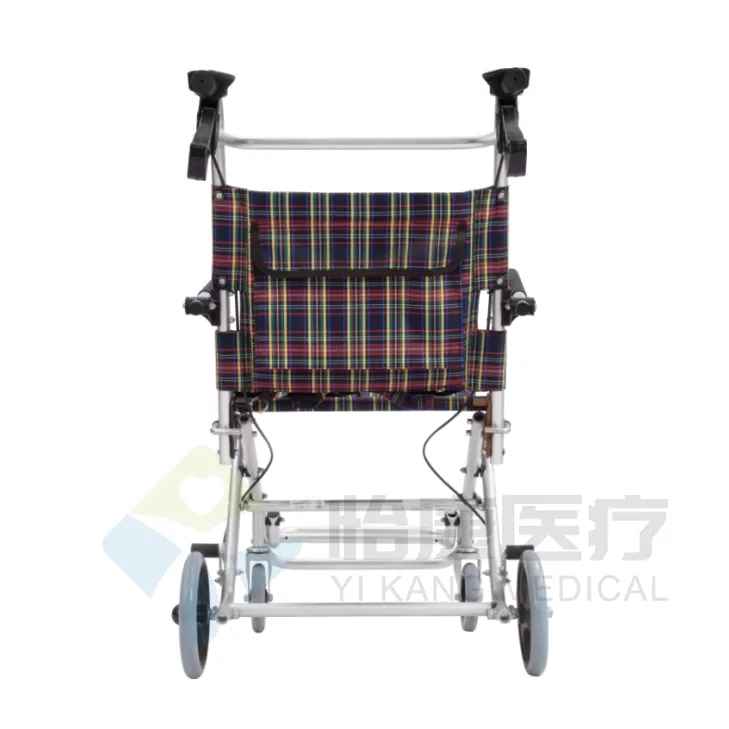
In the classification system of the manual wheelchair industry, a "Type 4 manual wheelchair" typically refers to a type of manual wheelchair that is an upgrade from the optimal functions and structure of a Type 3 manual wheelchair, while using higher-grade ultra-lightweight materials, resulting in a significant reduction in overall weight.
Its core features include:
• Ultra-lightweight design (typical weight 8kg-12kg)
• Utilizes aluminum alloy, titanium alloy, or high-grade aerospace materials
• Lightweight, flexible, foldable, and durable
• Suitable for high-frequency daily life, commuting, and outdoor mobility
• Emphasizes both comfort and ease of operation
Compared to common economical manual wheelchairs (typically around 20kg), the Type 4 manual wheelchair features significant improvements in structural engineering, material selection, and load-bearing design, allowing users to easily push, turn, fold, and carry it.
Therefore, it is suitable not only for users who require a manual wheelchair for extended periods but also for those seeking a balance between portability and functionality.
Why is the Type 4 manual wheelchair considered the "best choice for daily use"?
The Type 4 manual wheelchair is considered the "best for daily use" primarily because it achieves an ideal balance in the following three aspects.
1. Lightweight without sacrificing structural strength
The Model 4 manual wheelchair extensively utilizes:
• Aerospace-grade aluminum
• Titanium alloy
• High-strength carbon fiber components
These materials are characterized by their extremely light weight yet high strength, capable of withstanding normal impacts and bumps, meeting the needs of frequent daily movement.
2. Portable and easy to fold, truly ideal for outings
Whether traveling, shopping, accompanying someone to the doctor, or commuting, the Model 4 manual wheelchair can be quickly folded and easily stored in the trunk of a vehicle.
Its portability is especially suitable for:
• Independent living users
• Families requiring frequent travel
• Elderly users and caregivers
3. Lightweight operation, less burden to push
Compared to traditional manual wheelchairs, the Model 4 manual wheelchair features an optimized wheel axle design and center of gravity structure, making it easier to push, turn, and reduce resistance uphill.
This is of great help to long-term self-propelled individuals or caregivers.
What materials are used to manufacture the Model 4 manual wheelchair?
Why were these materials chosen?
Ultra-lightweight design is the most prominent feature of the Type 4 manual wheelchair, and this lightweight design primarily stems from advancements in materials technology.
Common materials include:
1. Aerospace-grade aluminum alloy (most commonly used)
• Stable, lightweight, and reasonably priced
• Corrosion resistant and durable
2. Titanium alloy (commonly used in high-end Type 4 manual wheelchairs)
• High strength
• Extremely lightweight
• Better elasticity and shock absorption
• Long service life
3. Some models use carbon fiber components
e.g.,
• Side panels
• Wheel hubs
• Seat frame
Carbon fiber further reduces weight and increases structural strength, making it the preferred choice for users seeking ultimate lightness.
The optimized material structure allows the Type 4 manual wheelchair to effectively control its overall weight without sacrificing safety, meeting the needs of fast-paced daily mobility.
What are the differences between the Type 4 manual wheelchair and other types of manual wheelchairs?
To help users understand more clearly, we will compare the Type 4 with common Types 1-3 manual wheelchairs.
1. Compared to the Type 1 manual wheelchair (basic model):
• Lighter
• More efficient folding
• Smoother pushing
• Higher quality materials
• Better adjustability of seat, armrests, and footrests
2. Compared to the Type 2 manual wheelchair (standard assistive model):
• More suitable for long-term use
• Greater emphasis on structural engineering design
• Significantly better comfort than Type 2
• More suitable for outdoor activities and frequent travel
3. Compared to the Type 3 manual wheelchair (functional model):
• Inherits the functional advantages of Type 3
• Further reduced weight
• More flexible and agile structure
• Easier to operate
In short:
Type 4 manual wheelchair = Type 3 functionality + ultra-lightweight design + high portability
Therefore, the Type 4 manual wheelchair is highly favored by users who want "one wheelchair to handle all their daily life needs."
Who is the Type 4 manual wheelchair suitable for? Can everyone use it?
The Type 4 manual wheelchair was designed for long-term users with mobility needs, but it's not suitable for everyone.
Suitable groups include:
1. Individuals with moderate to long-term mobility impairments
For example: those in the later stages of stroke rehabilitation, those with leg injuries, and arthritis patients.
2. Users who frequently need to use a wheelchair for daily movement
For example:
• Commuting to work
• Moving within campus
• Outdoor shopping
• Travel
3. Individuals with good self-propelled abilities
Because of its lightweight structure, the Type 4 manual wheelchair is suitable for users with strong manual strength to actively propel themselves.
4. Elderly individuals who require frequent wheelchair use by caregivers
Its lightweight design reduces the burden on caregivers.
Less suitable for the following groups:
5. Severely ill users requiring strong support
6. Individuals unable to maintain a stable sitting posture
7. Individuals requiring extensive personalized medical equipment
These groups are better suited to medical-grade or structurally reinforced manual wheelchairs (mostly Type 5, medical care models, etc.).
What are the key structural features of the Type 4 manual wheelchair?
To help users quickly understand the product's value, the following explains the common structural features of the Type 4 manual wheelchair.
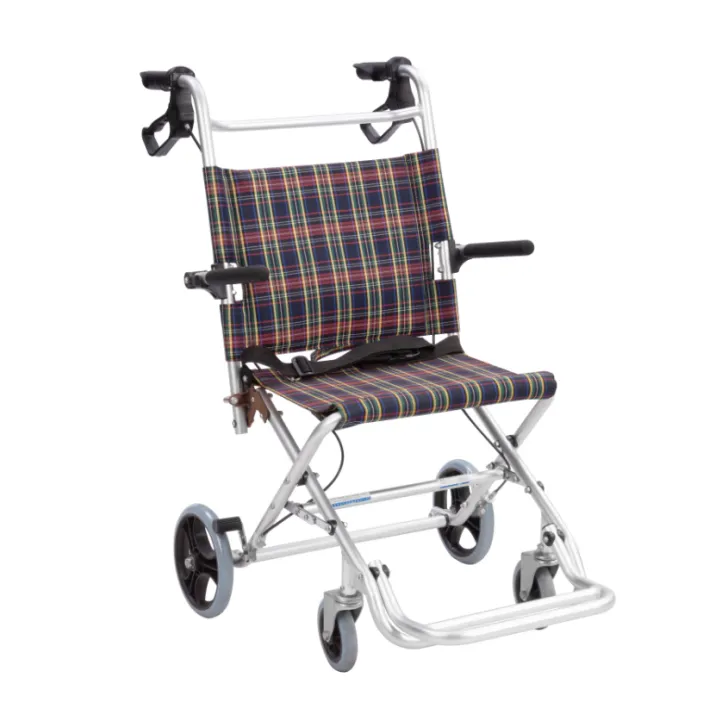
1. Foldable Frame Design
Facilitates quick and easy storage and transport.
2. Ultra-Lightweight Construction
Weight range of 8-12kg, making handling easier.
3. Highly Adaptable Seat System
Includes:
• Adjustable seat depth
• Adjustable seat width
• Adjustable backrest angle
Maintaining a comfortable sitting posture for long-term users.
4. High-Sensitivity Swivel Wheels
Improves steering flexibility.
5. Quick-Release Rear Wheel Structure (Some Models)
Achieves "instant disassembly and assembly," convenient for travel and vehicle storage.
6. Ergonomic Handlebar
Considering the comfort of caregivers in pushing the wheelchair.
What Important Indicators Should You Pay Attention to When Purchasing a Type 4 Manual Wheelchair?
To ensure you choose the right Type 4 manual wheelchair, pay special attention to the following parameters:
1. Do the seat width and seat depth match?
Seat width that is too narrow will compress the thighs.
Seat width that is too wide will affect stability.
2. Are the materials truly lightweight?
Titanium alloy and aerospace-grade aluminum are key to quality.
3. Is the frame easy to fold?
Folding speed directly affects commuting efficiency.
4. Are the rear and front wheel sizes suitable?
Wheel diameter affects:
• Pushing resistance
• Shock absorption
• Turning agility
5. Does the device support personalized adjustments?
For example:
• Step adjustment
• Backrest adjustment
• Detachable armrests
6. Does the load-bearing capacity meet the requirements?
Typically, it needs to meet the structural safety requirements of 100kg+.
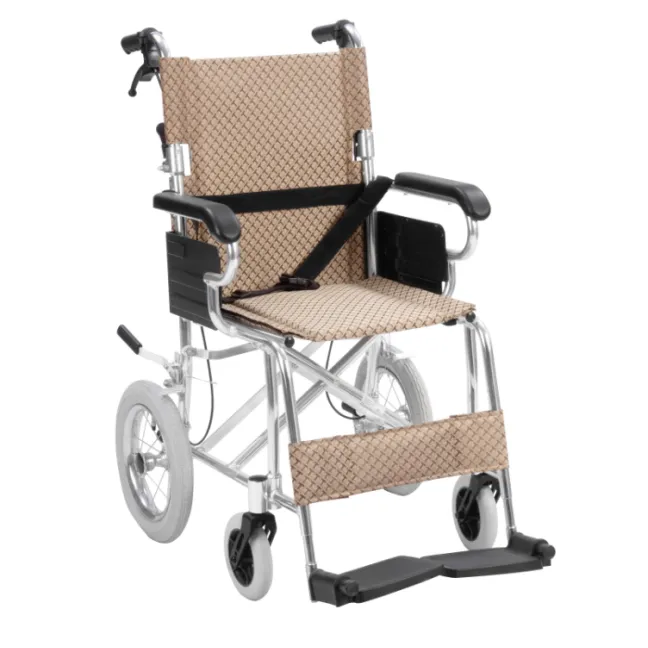
Is the advantage of the Type 4 manual wheelchair worth buying?
If you are looking for a manual wheelchair that combines:
• Lightweight
• Easy to push
• Easy to fold
• Durable
• Comfortable
• Suitable for daily life
then the Type 4 manual wheelchair almost meets all your requirements. It is one of the most popular types of manual wheelchairs that balance daily use and mobility.
The Type 4 Manual Wheelchair is a Lightweight, Durable, and Comfortable Everyday Mobility Tool
From materials and structure to function and application scenarios, the Type 4 manual wheelchair embodies a design philosophy of "lightweight + functionality." It maintains the safety and stability expected of a manual wheelchair while significantly improving ease of use through lightweight materials and engineering.
If your goal is a manual wheelchair that is suitable for daily travel, easily foldable and portable, and comfortable and reliable, then the Type 4 manual wheelchair is undoubtedly a top choice.
How can I order shower chairs from Yikang Medical?
Yikang Medical manufactures and supplies high-quality shower chairs suitable for hospitals, care facilities, and home use. Located in Foshan, China, we began production in 2010 and expanded to hospital and nursing equipment in 2014.
Our shower chairs are designed for safety, comfort, and durability, with options for adjustable height, armrests, and color. As a certified manufacturer with ISO13485, ISO9001, CE, and FDA, we offer OEM services for major brands and support customized orders.