
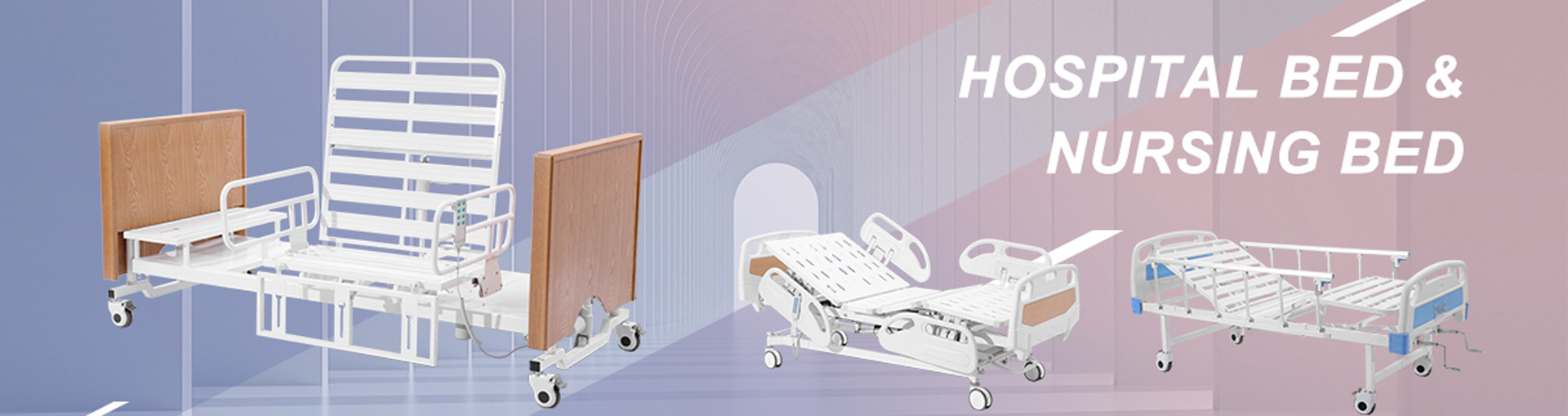
Many families choose to purchase a home hospital bed when long-term bedridden care is required.
However, one of the most common questions before moving in is:
How much space needs to be allocated for a home hospital bed?
The answer is not simply "as long as it fits."
In fact, to ensure patient safety, ease of care, air circulation, and proper equipment placement, at least 3 feet (approximately 36 inches) of space should be allocated on each of the bed's three sides.
This article will analyze in detail why a "3-foot clearance" is a reasonable, scientific, and necessary space planning standard from multiple perspectives, including structural dimensions, care needs, assistive devices, cleaning, and safety.
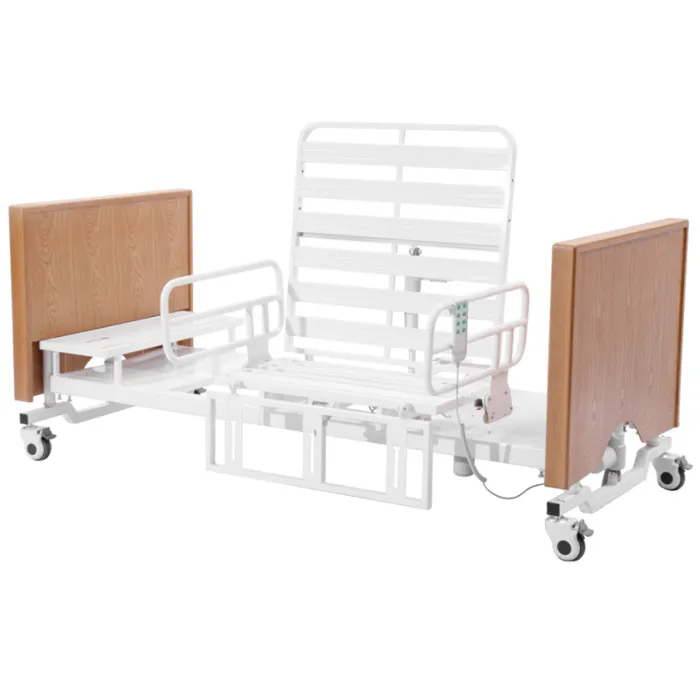
Why Reserve Sufficient Space for a Home Hospital Bed?
A home hospital bed is not ordinary furniture; it is a device with medical care functions.
Compared to regular beds, home hospital beds require more operating space, primarily for the following reasons:
• Increased mobility for caregivers: They need to move freely around the bed, turn patients over, bathe, and feed them;
• Patient access to and from bed and assisted movement: Sufficient space is needed to accommodate walkers, wheelchairs, or bedpans;
• Placement of medical equipment and accessories: Such as IV stands, oxygen cylinders, and monitors;
• Safety and ventilation: Avoid placing the bed too close to walls or furniture, ensuring air circulation and unobstructed emergency exits.
Therefore, space is not an aesthetic issue, but rather a matter of safety and functionality.
An overly cramped space not only increases the difficulty of care but also creates a sense of oppression and potential danger for the patient.
What are the standard dimensions of a home hospital bed?
Before determining the space required, it's essential to understand the dimensions of the bed itself. Different types of home hospital beds vary slightly in size, but common standards on the market are as follows:
Types | Length | Width | Height (adjustable) |
| Single home hospital bed | 200cm (79 inches) | 90cm (35–36 inches) | 40–70cm (adjustable) |
| Electric nursing bed | 210cm (82 inches) | 100cm (39–40 inches) | 40–75cm (adjustable) |
| Multifunctional nursing bed | 210–220cm (82–86 inches) | 100–110cm (40–43 inches) | 40–80cm (adjustable) |
The dimensions above refer only to the bed frame itself and do not include the space occupied by bed rails, wheels, and surrounding equipment.
Therefore, when setting up a home hospital bed, additional "operating space" must be considered to ensure smooth nursing care and safe equipment operation.
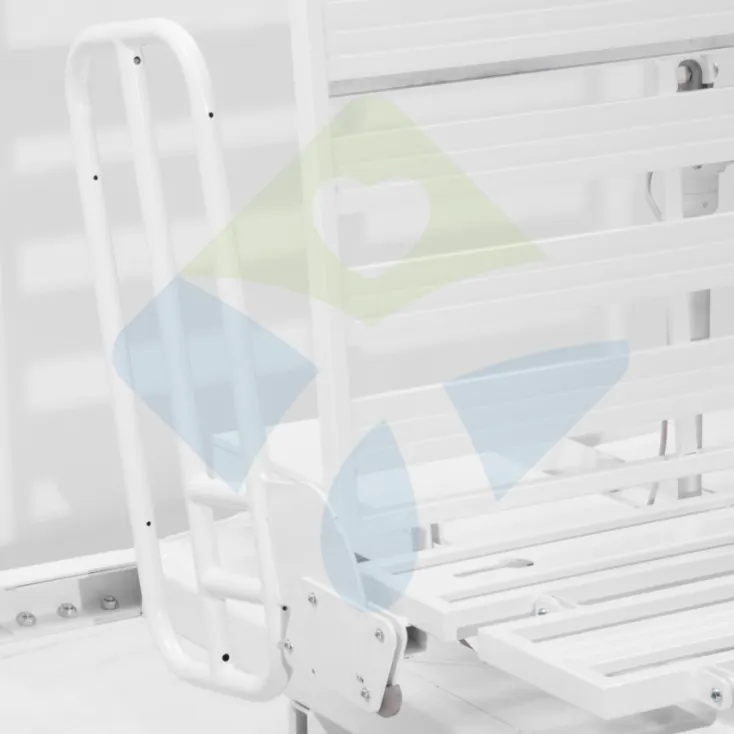
How much space should be left around a home hospital bed?
✅ Ideal Layout Standards
According to general nursing and ergonomic standards, a home hospital bed should have at least 3 feet (approximately 36 inches) of space on three sides.
Specific recommendations are as follows:
• Headboard: Maintain approximately 18–24 inches (45–60 cm) of clearance from the wall for ventilation and power cabling;
• Sides: At least 36 inches (approximately 3 feet) of space on each side for easy movement of caregivers and placement of equipment;
• Footboard: It is recommended to leave 24–36 inches of space for easy movement of the bed, plugging and unplugging of power supplies, and storage of accessories;
• Headroom: Ensure sufficient height (at least 2 meters) for installing IV stands or hangers.
In other words, the ideal usable area around a standard home hospital bed is approximately 3 meters long x 2.5 meters wide (about 8–9 square meters).
🚫 Common Layout Mistakes
• Placing the bed too close to a wall or cabinet;
• Insufficient space beside the bed, preventing caregivers from squatting or bending over;
• The headboard is completely against the wall, obstructing power outlets;
• Poor ventilation, leading to stale indoor air.
Such layouts significantly reduce care efficiency and may pose safety hazards.
Why leave 3 feet of space around a home hospital bed?
The "3 feet" standard is not arbitrary; it originates from clinical nursing and home care practices.
Here are some key reasons:
1. Nursing procedures require a complete activity area
Caregivers perform various procedures in their daily work, such as:
• Turning over, washing, changing clothes;
• Assisting with feeding and rehabilitation exercises;
• Moving patients and adjusting bed positions.
Insufficient space restricts nursing posture, easily causing lumbar strain and affecting patient safety.
2. Facilitates Mobility
Home hospital beds are often used in conjunction with assistive devices such as wheelchairs, IV stands, oxygen cylinders, and bedside toilet chairs.
These devices typically require approximately 2-3 feet of lateral movement space.
3. Ensures Patient Safety When Getting in and Out of Bed
Leaving 3 feet of clearance allows patients enough space to use walkers or handrails to get in and out of bed, reducing the risk of falls.
4. Facilitates Cleaning and Maintenance
Spacious space facilitates cleaning, washing, mopping, and disinfection, preventing dust accumulation and bacterial growth under the bed.
5. Ensures Emergency Access
In emergencies (such as patient fainting or difficulty breathing), sufficient space allows medical personnel to quickly approach and provide assistance.
How to Optimize Room Layout for Home Hospital Beds?
1. Prefer Window Location
Being near a window ensures ventilation and natural light, but direct sunlight and drafts should be avoided.
A 3-foot width of space should be maintained on one side of the window for easy viewing by caregivers and patients.
2. Keep away from doorways and corridors
Avoid placing the home hospital bed in main passageways to prevent disturbance to the patient's rest from foot traffic.
3. Provide power and lighting locations
Electric beds require a power outlet. It is recommended to have one outlet on each side of the bed, avoiding exposed cables.
Bedside lamps and nightlights should be placed at an easily accessible height (approximately 1.2 meters).
4. Ensure a level and non-slip floor
The floor beneath the bed must be level and firm, with sufficient space for casters to move.
5. Maintain a safe distance from furniture
Wardrobes, drawers, desks, and the bed should be at least 36 inches apart to prevent collisions.
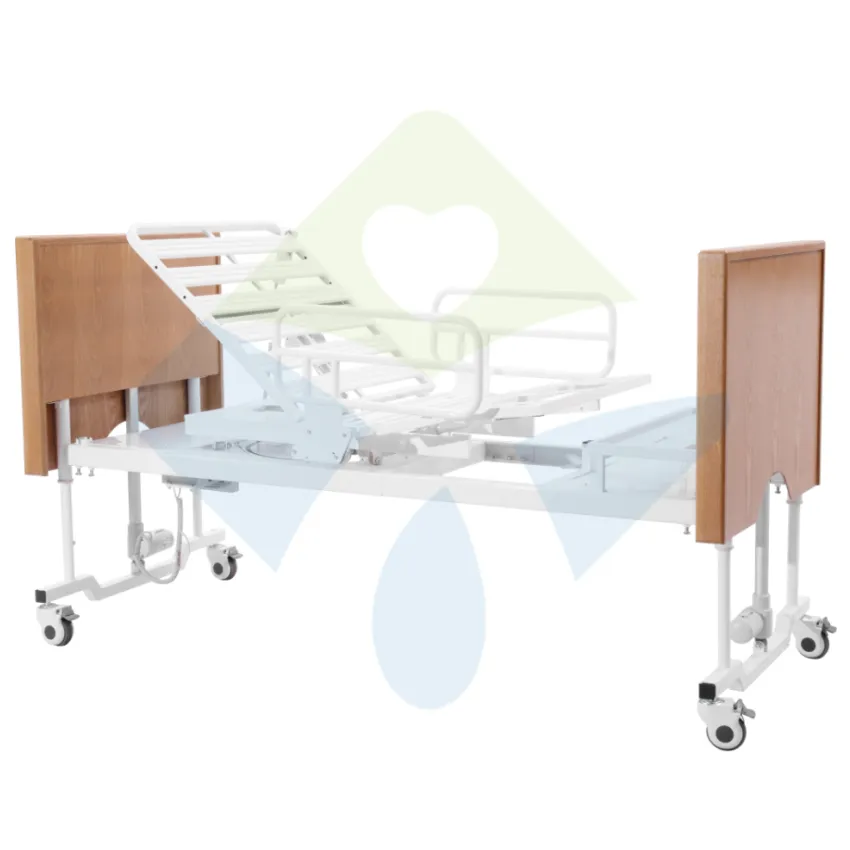
How to place a home hospital bed in different room sizes?
Room size | Available Types | Recommended Layout |
| Under 8㎡ (Small Bedroom) | Single manual or narrow hospital bed | Place the bed against one wall, leaving a 3-foot care area on the other side |
| 10–12㎡ (Standard Bedroom) | Single electric hospital bed | Leave 3 feet on both sides, with the headboard against the wall |
| Over 15㎡ (Spacious Room) | Multi-functional nursing bed | Place the bed in the center, leaving space on all four sides for easy multi-directional care |
✅ Tip: If space is limited, choose a narrow-body home hospital bed (approximately 85cm wide) to maintain functionality while saving space.
What nursing factors should be considered in the space design of a home hospital bed?
1. Number of caregivers
If two caregivers are working together, it is recommended to leave a full 3-foot aisle on both sides of the bed.
2. Patient mobility
• Partially self-sufficient patients: One side of the bed can be placed against a wall;
• Fully bedridden patients: Open space on both sides is necessary for easy turning over and changing positions.
3. Arrangement of assistive devices
Infusion stands, ventilators, bedside commodes, etc., should be placed on the side or foot of the bed to avoid obstructing daily care routes.
4. Lighting and air circulation
Maintaining good air circulation and soft lighting around the bed helps patients relax and recover.
What risks arise from insufficient space around a home hospital bed?
Neglecting space allocation can lead to the following problems:
• Difficulty in nursing care: Caregivers cannot operate from the correct angle, increasing the risk of injury;
• Patient falls or injuries: Narrow space restricts the opening of bed rails;
• Difficulty in moving equipment: Wheelchairs, oxygen cylinders, and other assistive devices cannot be freely placed;
• Inadequate cleaning: Dust accumulation affects hygiene;
• Inability to provide emergency care: Rescue personnel have difficulty accessing the bedside.
Therefore, sufficient space is not only a matter of comfort but also a guarantee of safety and health.
Practical Suggestions for Home Hospital Bed Space Planning
• Measure room dimensions before use: Ensure the combined width of the bed and nursing area does not exceed 80% of the room width;
• Prioritize electrically adjustable models: Height can be flexibly adjusted according to space;
• Leave at least 15cm of space under the bed: Facilitates sweeping and placement of casters;
• Choose a bed with braked casters: Facilitates movement and fixation;
• Maintain soft and adjustable lighting: Avoid glare that may affect rest;
• Avoid cluttered wiring: Use cable trays or cable sheaths to prevent tripping.
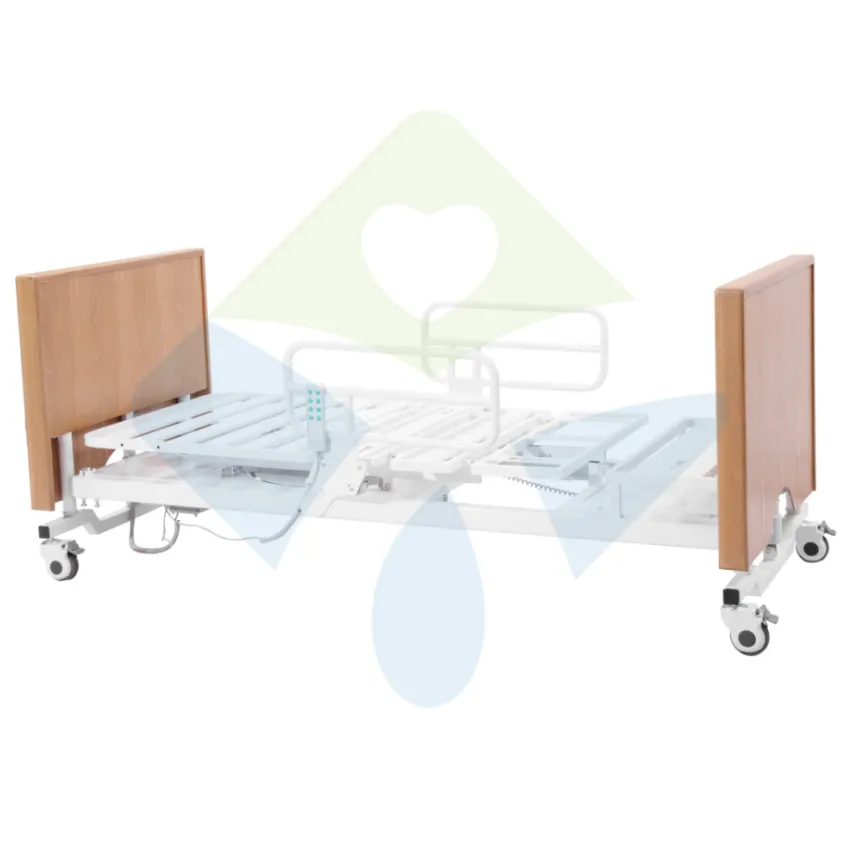
How much space is needed for a home hospital bed?
A home hospital bed should have at least 3 feet (approximately 36 inches) of space on three sides.
This space ensures that:
• Caregivers can operate comfortably and safely;
• Patients can get in and out of bed and move around more easily;
• Medical equipment can be freely placed;
• The room remains clean and well-ventilated.
In other words, the space planning for a home hospital bed determines nursing efficiency and patient safety.
Therefore, before purchasing a bed, be sure to measure the room dimensions and allow space according to the standard of "bed dimensions + 3 feet on each of the three sides".
When the space is reasonable and properly arranged, the home hospital bed can truly fulfill its purpose—making nursing care more professional and patients more comfortable.
Why choose Yikang Medical for wholesale hospital beds?
Yikang Medical is a trusted Chinese manufacturer and supplier of hospital beds, nursing beds, and other rehabilitation equipment. Since 2010, we have provided high-quality products, expanding in 2014 to hospital beds, wheelchairs, and mobility equipment. Our beds are customizable in size, configuration, and color, making them ideal for hospitals and healthcare facilities. Certified with ISO13485, ISO9001, CE, and FDA, Yikang Medical delivery guarantees safety, durability, and reliability within 30-45 working days. Wholesale buyers and OEM partners worldwide rely on us for professional manufacturing and consistent supply.