
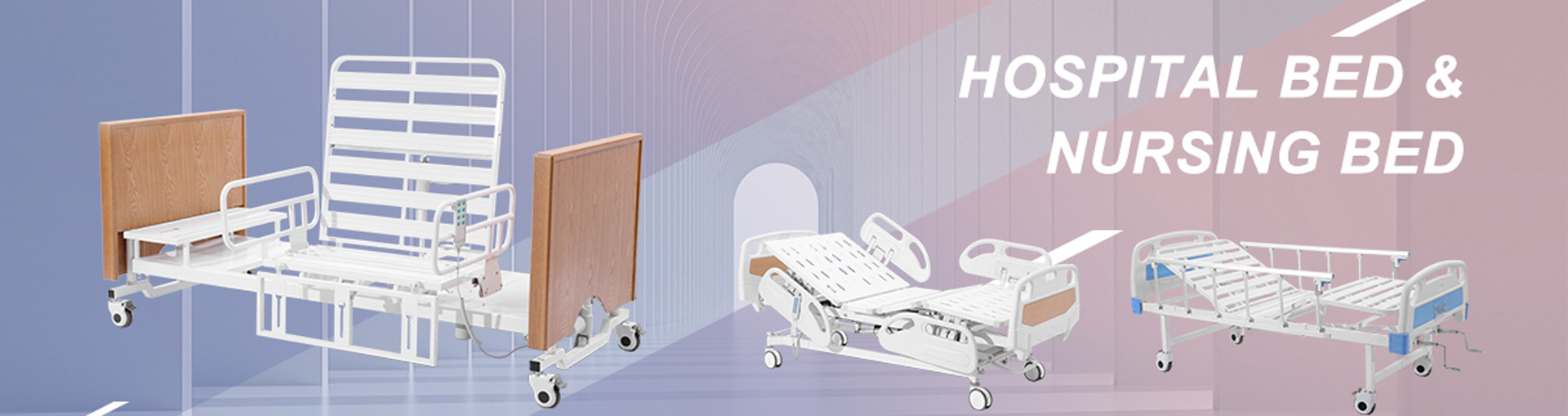
When choosing an adjustable hospital bed, many people often ask:
"Can I just use my regular mattress?"
This seemingly reasonable question actually has a clear answer:
Yes, you need to buy a special mattress for your adjustable hospital bed.
The biggest difference between an adjustable hospital bed and a regular bed is that it can be raised, lowered, bent, and provides segmented support, helping patients or the elderly adjust their sitting or lying positions.
Regular mattresses are usually flat and cannot adapt to these dynamic changes.
Using an unsuitable mattress can not only affect the patient's comfort but may also damage the bed structure and even create safety hazards.
Next, we will analyze in depth: why adjustable hospital beds must be equipped with special mattresses, what types of special mattresses are available, what factors should be considered when purchasing, and the advantages and disadvantages of mattresses made of different materials.
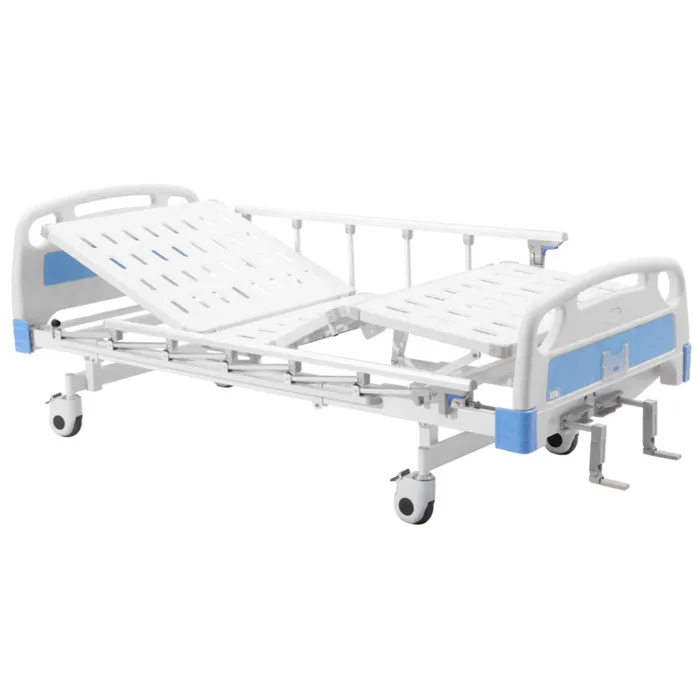
Why can't a regular mattress be used with an adjustable hospital bed?
This is a question that many people easily overlook. While regular mattresses are soft and comfortable, from a structural and support perspective, they are not suitable for installation on adjustable hospital beds.
1. Standard mattresses cannot bend with the bed
The key features of adjustable hospital beds are:
• Backrest can be raised;
• Legrest can be adjusted;
• Overall height can be adjusted.
Standard mattresses, on the other hand, are designed with a fixed flat structure. Once the bed bends, the mattress will:
• Fold, bulge, or slide;
• Create uneven pressure on the patient's body;
• Cause instability in sitting or lying positions.
This not only affects comfort but may also put strain on the spine and lower back.
2. Standard mattresses have mismatched thickness and elasticity
Home mattresses are typically thick (20–30cm) and contain spring or foam layers.
Adjustable hospital beds require mattresses to:
• Be of moderate thickness (approximately 10–15cm);
• Have good bending performance;
• Be able to conform to the bed frame without deforming.
A mattress that is too thick will hinder bed movement and may even damage the lifting motor or bed frame.
3. Standard Mattresses May Pose Safety Hazards
When an adjustable hospital bed raises the back or legs, a standard mattress may slide or shift, causing the patient to slip and increasing the risk of falling out of bed.
Therefore, using an incompatible mattress not only affects functionality but may also jeopardize safety.
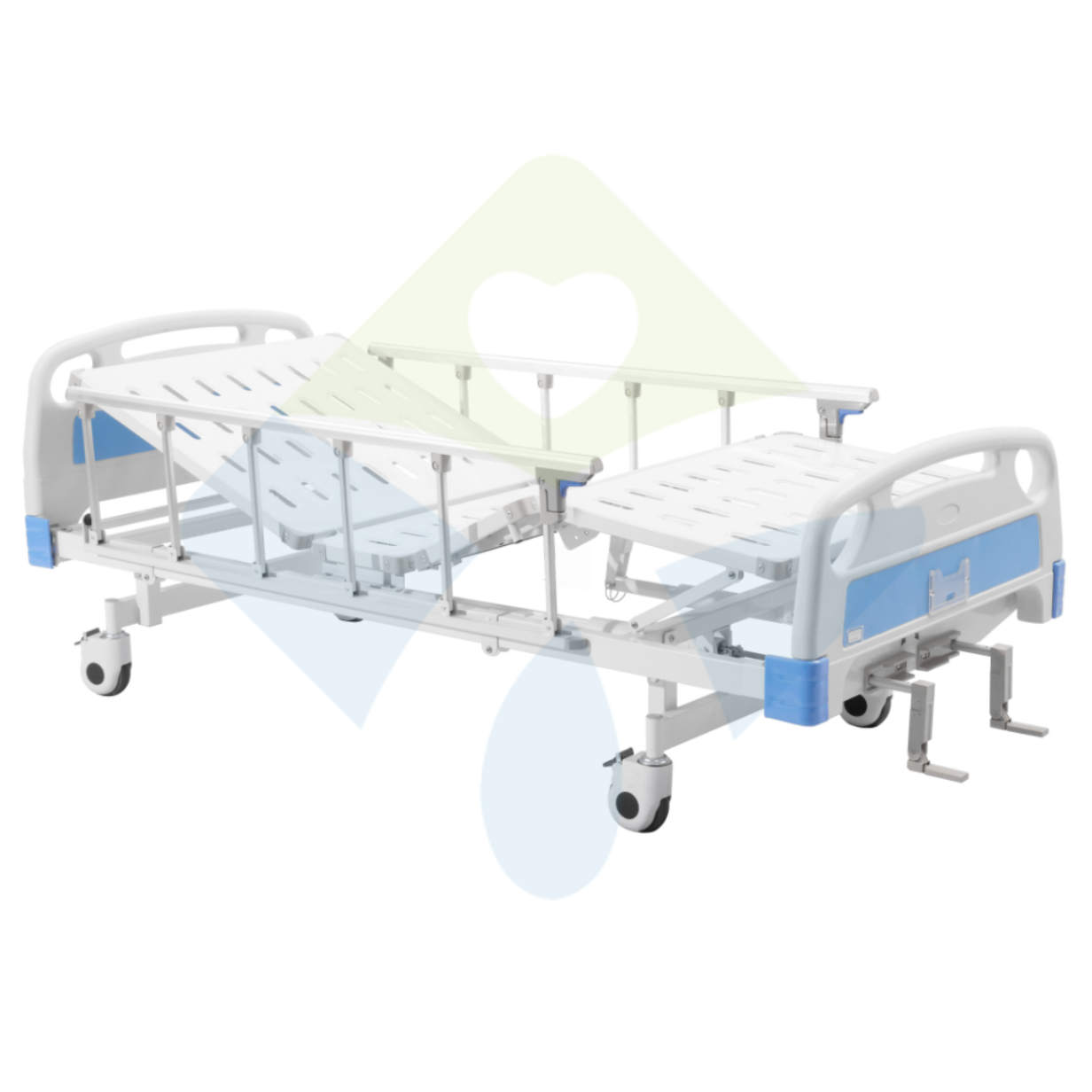
What is a Mattress Designed for Adjustable Hospital Beds?
A specialized mattress is a medical-grade mattress designed specifically for the structure of an adjustable hospital bed. It not only adapts to multiple movements of the bed but also provides continuous support and pressure distribution.
1. Design Concept
Adjustable hospital bed mattresses utilize a zoned support and flexible connection structure, maintaining a close fit when the bed is folded, raised, or lowered, without breaking or shifting.
2. Material Characteristics
Common materials include:
• Medical-grade high-density foam;
• Memory foam;
• Anti-decubitus air cushion;
• Hybrid multi-layered structure (such as foam + gel layer).
These materials maintain elasticity while providing even support to the body as the bed deforms.
3. Surface Design
Specialized mattresses typically feature waterproof, antibacterial, and breathable properties, facilitating cleaning and daily disinfection, making them ideal for long-term bedridden care environments.
Why must adjustable hospital beds be used with specialized mattresses?
1. Providing Proper Support and Protecting the Spine
Specialized mattresses maintain their natural curvature as the bed changes position, supporting the body's curves.
This helps:
• Reduce pressure on the lumbar spine;
• Improve blood circulation;
• Prevent muscle stiffness.
Ordinary mattresses cannot provide this dynamic support, and prolonged use can cause back pain.
2. Ensuring Smooth Operation of the Bed's Mechanical Structure
Electrically adjustable hospital beds rely on motors to control multiple movement stages.
If the mattress is too thick or too rigid, it will affect the mechanical movement, increase the motor load, and shorten its lifespan.
3. Reducing the Risk of Pressure Sores
Specialized mattresses distribute body pressure, especially during prolonged bed rest, effectively preventing pressure sores.
Ordinary mattresses concentrate pressure, easily causing pressure sores and skin necrosis.
4. Enhancing User Comfort and Sleep Quality
Adjustable hospital bed mattresses can adapt to different body positions (lying flat, semi-reclining, sitting up), allowing patients to rest or eat comfortably.

What types of adjustable hospital bed mattresses are available?
Depending on the patient's condition and nursing needs, adjustable hospital bed mattresses are mainly divided into the following types:
1. Medical Foam Mattress
• Material: High-density medical foam;
• Advantages: Lightweight, elastic, and provides even support;
• Price range: $150–$400;
• Suitable for: General care or short-term bedridden patients.
2. Memory Foam Mattress
• Material: Temperature-sensitive memory foam;
• Advantages: Conforms to body curves, provides good pressure relief;
• Disadvantages: Slightly lower breathability;
• Suitable for: Patients requiring long-term bed rest and prioritizing comfort.
3. Air Pressure Mattress
• Material: Alternating air cushion structure;
• Advantages: Continuously changes pressure distribution, effectively preventing pressure sores;
• Disadvantages: Higher price, requires power;
• Suitable for: Severely ill bedridden patients, those with completely limited mobility.
4. Hybrid Mattress
• Material: Foam + Air Cushion + Gel Layer;
• Advantages: Combines support, comfort, and breathability;
• Disadvantages: Heavier;
• Suitable for: Patients requiring comprehensive care and comfort.
What factors should be considered when purchasing an adjustable hospital bed mattress?
1. Bed Size Matching
Ensure the mattress length and width match the bed frame to avoid slippage or bulging.
• Standard Sizes:
• Single Size: 90×200cm
• Double Size: 120×200cm or 140×200cm
2. Thickness Control
The ideal thickness is approximately 10–15cm, balancing softness and flexibility.
An overly thick mattress may affect the bed's adjustment angle.
3. Material and Breathability
Choose medical-grade materials that are waterproof, antibacterial, and breathable for easy long-term care and cleaning.
4. Mattress Flexibility
It should be able to bend naturally and return to its original shape without creases or sagging.
5. Ease of Care
Removable and washable covers and wipeable waterproof layers are more practical.
6. Budget and Durability
Prices vary greatly depending on the material, but safety and comfort should be prioritized.
A budget of $200–$800 is generally recommended.
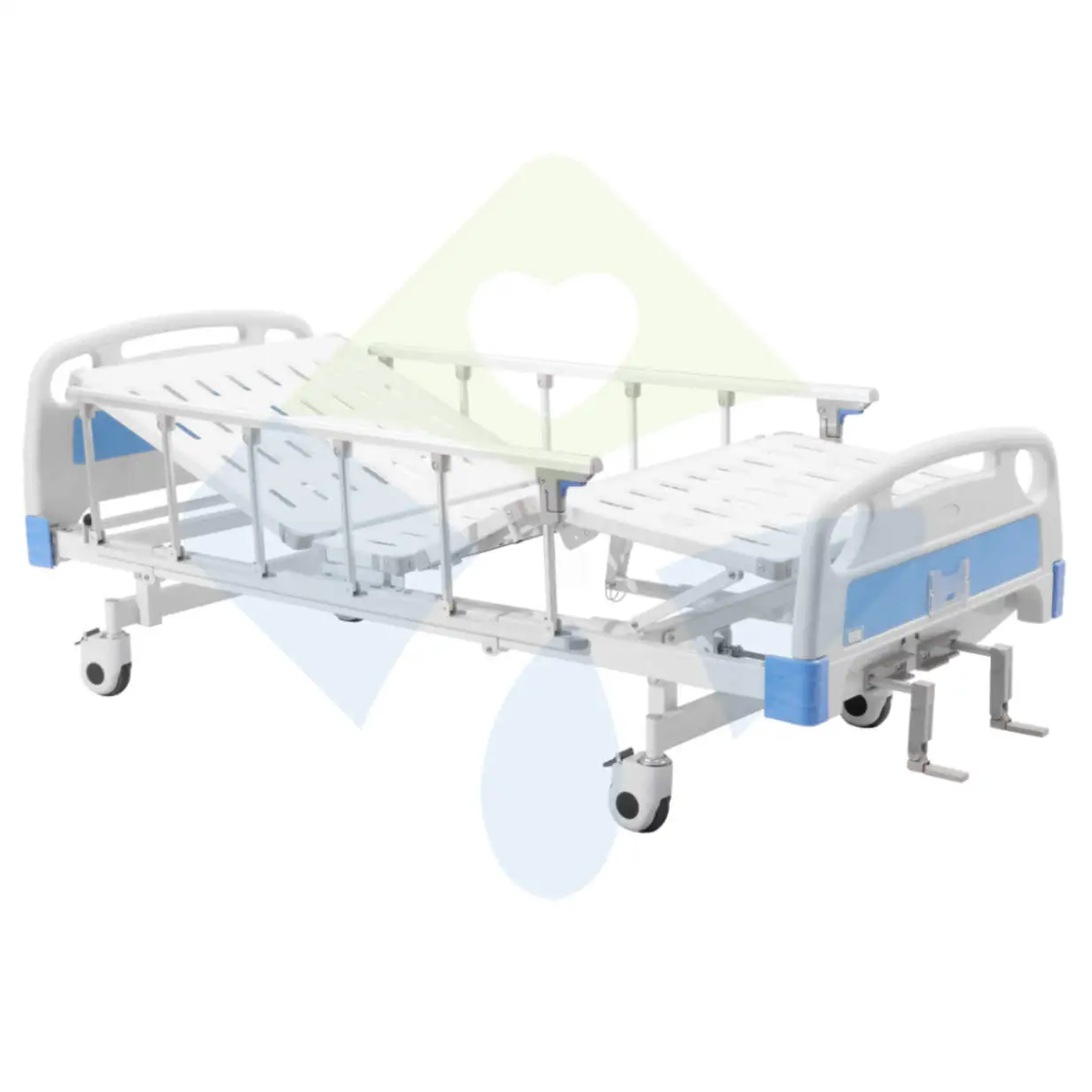
What are the benefits of using an adjustable hospital bed mattress?
1. Improved Patient Comfort
The mattress adapts to the body's angle, reducing localized pressure and discomfort.
2. Increased Care Efficiency
Nurses or family members can easily adjust the patient's position without frequent turning or assistance.
3. Extended Bed Lifespan
A properly fitted mattress reduces the strain on the bed motor and prevents structural damage.
4. Facilitated Hygiene Management
The waterproof and breathable layer effectively isolates liquids, reducing odors and bacterial growth.
5. Promoted Recovery
Stable support prevents muscle atrophy and pressure sores, providing a healthier environment for patient recovery.
What are the consequences of using the wrong mattress?
Using an unsuitable mattress can have more serious consequences than you might imagine:
• Bed Damage: A heavy or non-soft mattress may compress the motor structure.
• Postural Instability: The mattress may slip when the bed is raised, potentially causing the patient to fall.
• Increased Risk of Pressure Sores: Concentrated pressure leads to prolonged skin stress.
• Difficulty in Care: The mattress may fold when the bed is bent, making it difficult for caregivers to operate.
• Decreased comfort: The bed cannot adjust as intended.
Therefore, choosing the right dedicated mattress is not an option, but a necessity.
How to maintain a dedicated mattress for an adjustable hospital bed?
To extend the life of your mattress, we recommend the following maintenance points:
• Regular cleaning: Wipe the mattress surface weekly to keep it dry and clean;
• Avoid direct sunlight: Strong sunlight can damage the material structure;
• Use a waterproof mattress cover: Prevent liquid seepage;
• Check bending performance: Adjust the bed angle regularly to maintain flexibility;
• Regular replacement: It is generally recommended to replace it every 3–5 years.
Why must you buy a dedicated mattress for an adjustable hospital bed?
Yes, you need to buy a dedicated mattress for an adjustable hospital bed.
The reasons are as follows:
• Ordinary mattresses cannot adapt to the bending of the bed;
• Dedicated mattresses ensure even support and comfort;
• Effectively reduce the risk of pressure sores and slippage;
• Improve care efficiency and extend the life of the bed;
• Meet medical and hygiene standards, making it safer and more reliable.
In a nursing environment, mattresses are not just for comfort, but also an integral part of the health defense system.
Therefore, when purchasing an adjustable hospital bed, a dedicated mattress should be considered an essential nursing component, not an option.
Are Yikang Medical’s shower chairs suitable for home care?
Yes, Yikang Medical manufactures shower chairs suitable for hospitals, nursing homes, and home care. Our chairs are designed for safety, comfort, and durability, with adjustable features and customizable color options. Founded in Foshan, China in 2010, we expanded to hospital equipment, including shower and toilet chairs, in 2014. As an OEM supplier with ISO13485, ISO9001, CE, and FDA certifications, Yikang Medical ensures reliable, high-quality products.