

Electric wheelchairs provide a convenient means of mobility for individuals with physical limitations. However, many users notice that the battery level gradually drops even when the wheelchair has not been used for several days. In some cases, after sitting idle for a week or two, the device may lack sufficient power to start, or its operational range may be significantly reduced.
Power consumption while idle does not necessarily mean the battery is damaged. Common causes include the battery’s inherent self-discharge, power consumption by the controller in standby mode, the continuous operation of the Battery Management System (BMS), fluctuations in ambient temperature, and battery aging. If the battery level drops at an unusually rapid rate, it is necessary to check for potential faults in the charger, wiring connections, or the Battery Management System.
Understanding these factors helps users properly maintain their power wheelchairs and extend battery life; it also assists manufacturers in optimizing the power management design of their products.
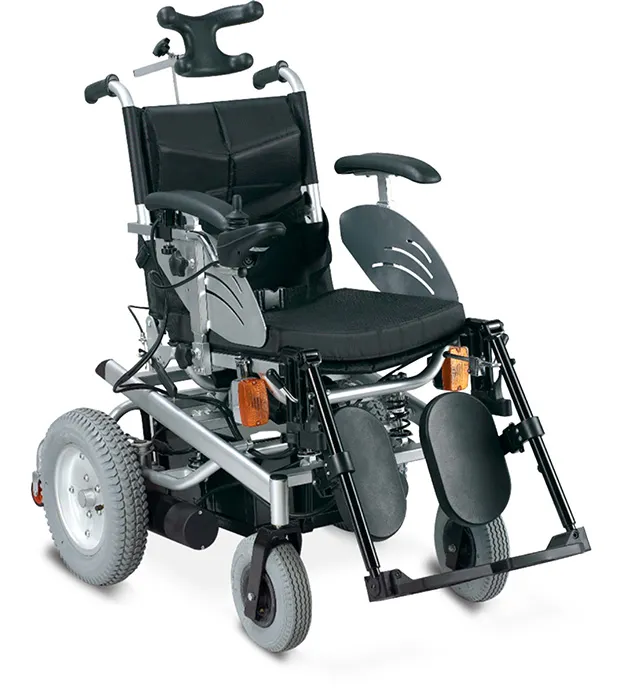
Five Main Reasons for Power Consumption in Idle Electric Wheelchairs
1. Inherent Battery Self-Discharge
Even when not connected to an external load, a battery will gradually lose charge due to internal chemical reactions—a phenomenon known as "self-discharge." This is an intrinsic characteristic of batteries and cannot be entirely eliminated.
Electric wheelchairs typically use either lead-acid or lithium-ion batteries. Generally, lithium-ion cells have a relatively lower self-discharge rate, whereas lead-acid batteries require closer monitoring for capacity loss and the risk of sulfation during long-term storage.
Under optimal storage conditions, the self-discharge rate for lead-acid batteries is roughly estimated at 3%–10% per month, though the actual figure depends on the specific battery type, ambient temperature, age, and maintenance status. While lithium-ion cells typically exhibit lower self-discharge, the total power drain of the battery pack may also be influenced by the Battery Management System.
For example, if an electric wheelchair battery with a nominal capacity of 20Ah experiences a monthly self-discharge rate of approximately 5%, this would theoretically equate to a loss of about 1Ah of capacity. This is merely an illustrative calculation to demonstrate the impact of self-discharge and does not represent a universal standard for all batteries. Therefore, when an electric wheelchair is left idle for an extended period, the battery charge level cannot be guaranteed to remain constant, even if all external devices are fully switched off.
2. Controllers and electronic systems continue to consume power
In some power wheelchairs, components such as controllers, status monitoring modules, or other electronic parts may remain in a standby state even after the power is turned off. While these components consume very little power, the cumulative drain can become significant if they remain active for weeks or months.
For example, if an electric wheelchair has a standby current of 10mA after being powered off, the theoretical power consumption over 30 days of continuous standby would be:
10mA × 24 hours × 30 days = 7.2Ah.
For a battery with a nominal capacity of 20Ah, this represents 36% of its total capacity. If the standby current is reduced to 1mA, the theoretical consumption over 30 days would be 0.72Ah.
It should be noted that these figures are for illustrative purposes only and do not represent the actual standby current for all electric wheelchairs. Significant variations may exist depending on the brand, controller, and power management system.
If an electric wheelchair experiences a noticeable drop in battery charge over a short period, users should verify whether the device has truly entered a low-power state, rather than simply assuming it has based on whether the display screen is off.
3. Turning off the power does not mean the battery is completely disconnected
This is a frequently overlooked factor contributing to battery drain during periods of inactivity.
On some power wheelchairs, the power button only shuts down the user interface or drive control functions, while the battery remains connected to certain electronic modules. Components such as battery management systems, electronic locks, or other parts that remain powered on may continue to draw a small amount of energy.
Consequently, a dark display screen does not necessarily mean that the entire unit is completely powered down.
If the device features a dedicated battery disconnection function, users should follow the instructions in the manual to minimize unnecessary power drain during long-term storage. However, if the product lacks a specific power-disconnection design, users should not attempt to remove the battery or modify the circuitry themselves, as this could damage the equipment or create safety risks.
4. Battery aging leads to a decline in actual capacity
As the duration of use increases, the actual usable capacity of a power wheelchair's battery may gradually decrease. Even if power consumption during periods of inactivity is minimal, users may still notice a significant decline in the wheelchair's range.
For example, a new battery pack with a nominal capacity of 20Ah might see its actual usable capacity drop to 12Ah after years of use. Consuming 1Ah of power represents about 5% of a new battery's nominal capacity, but for an aged battery with only 12Ah of actual capacity, that same 1Ah drain accounts for approximately 8.3%.
Furthermore, battery aging often leads to increased internal resistance, which can cause a noticeable drop in voltage when the wheelchair is starting up, climbing an incline, or carrying a heavy load. Consequently, an electric wheelchair might lose power or shut down prematurely, even before the battery indicator reaches zero.
If an electric wheelchair experiences significant power loss while idle—and its range after a full charge continues to shrink—you should have the battery's health checked rather than simply charging it more frequently.
5. Temperature and Charging System Issues
Ambient temperature affects the performance of power wheelchair batteries. High temperatures can accelerate internal side reactions and the aging process, while low temperatures may temporarily reduce usable capacity, making the wheelchair more prone to voltage drops.
Some lithium-ion batteries cannot be charged at temperatures below 0°C unless they are equipped with specific low-temperature charging protection or heating mechanisms. Always refer to the battery manufacturer’s specifications for the permitted charging temperature range.
Additionally, issues such as abnormal charger output, poor connector contact, or a faulty battery management system (BMS) can lead to incomplete charging and inaccurate battery level readings. For instance, the display might indicate a full charge when the battery has not actually reached its intended state, which can result in a noticeable drop in power after just a few days of inactivity.
If a battery shows signs of swelling, leakage, abnormal heating, or emits an unusual odor, stop using it immediately and contact a professional technician; do not attempt to disassemble the battery pack yourself.
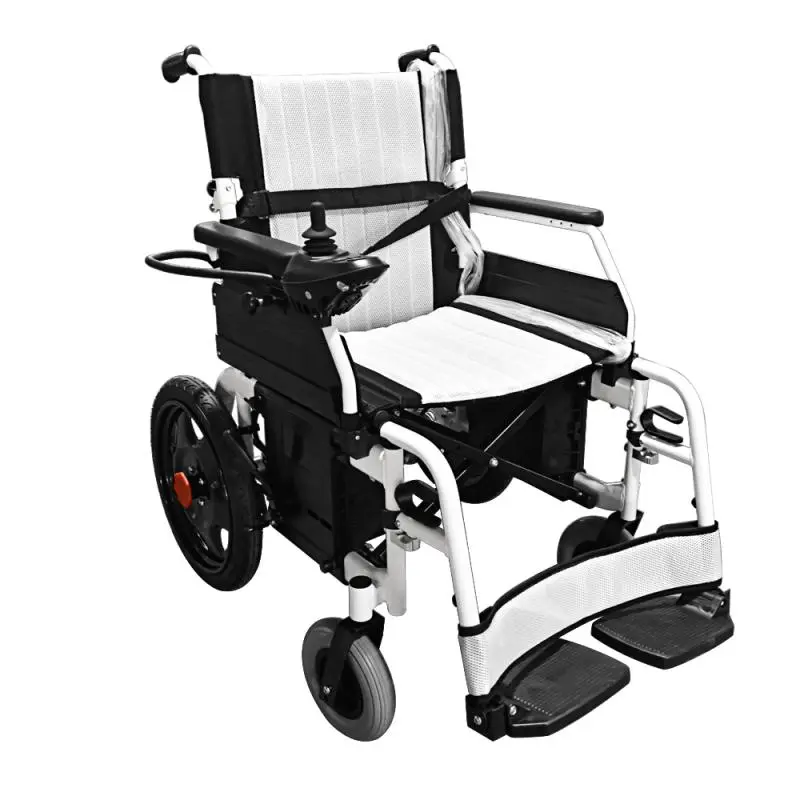
How can you determine if power loss during inactivity is normal?
If you notice your electric wheelchair losing power, do not rush to replace the battery. Instead, record the battery level before and after the period of inactivity, note the duration it remained parked, and consider the ambient temperature. Evaluate these factors alongside the wheelchair's charging history and its actual operating range to reach an informed conclusion. If an electric wheelchair experiences only a slight drop in battery level after sitting idle for several weeks—and continues to perform normally during charging and operation—it is generally acceptable to simply monitor the situation. However, if the battery drains significantly after just two or three days of inactivity, or if the range continues to decrease even after a full charge, further inspection of the standby power consumption, battery health, and charging system is required.
| Observed Symptom | Possible Cause | Recommended Action |
| Slight power loss after several weeks | Normal self-discharge | Monitor battery level regularly |
| Significant power loss after a few days | Standby power consumption or abnormal leakage | Check power-off settings and standby current |
| Shorter driving range after charging | Battery aging or incomplete charging | Test battery capacity and charger |
| Sudden battery percentage changes | Voltage fluctuation or inaccurate capacity estimation | Inspect the battery and monitoring system |
| Battery swelling, overheating, or unusual odor | Potential battery or electrical fault | Stop using the wheelchair and seek professional service |
If professional testing equipment is available, a technician can measure the static current of the entire power wheelchair, as well as check the battery voltage, charger output, and the battery management system (BMS). Users without specialized knowledge should not attempt to disassemble the battery or measure high-current circuits themselves.
Five Ways to Reduce Power Drain in Idle Electric Wheelchairs
1. Establish a Charging Schedule Based on Battery Type
Maintenance procedures for an electric wheelchair should be determined by its battery type and the duration of inactivity. For wheelchairs in daily use, follow the manufacturer’s instructions to charge the battery promptly, avoiding long periods at a low state of charge.
If the wheelchair will not be used for several weeks or months, consult the user manual to determine the recommended storage charge level and the frequency for periodic recharging. Lead-acid batteries generally require a high state of charge to minimize the risk of sulfation, while some lithium-ion batteries are best stored at approximately 50%–75% capacity—though you should always defer to the specific guidelines provided by the battery manufacturer.
There is no "one-size-fits-all" maintenance approach for all electric wheelchairs.
2. Power Down Correctly; Disconnect the Battery Only When Appropriate
Before long-term storage, ensure the electric wheelchair is powered down according to the user manual and that any unnecessary auxiliary features are turned off. If the device supports a safe battery-isolation procedure, follow the manufacturer’s instructions to disconnect the battery, which will help reduce standby power consumption.
Do not attempt to modify wiring or install custom switches if there are no clear instructions for doing so. Some battery management systems require power to maintain essential safety functions; disconnecting them improperly could interfere with the device's operation.
3. Use a Compatible Charger
Always use the original charger or one approved by the manufacturer, ensuring that the output voltage, charging current, and battery type specifications match. The fact that a plug fits does not mean the charger is compatible.
Furthermore, do not assume that all power wheelchairs are designed to remain connected to a charger for extended periods. Whether a continuous connection is appropriate depends on whether the charging system supports "maintenance charging" (trickle charging) and the specific requirements outlined in the product manual.
4. Maintain a Suitable Storage Environment
Electric wheelchairs should ideally be stored in a dry, well-ventilated indoor environment with a relatively stable temperature, away from direct sunlight, extreme temperatures, and humidity.
While a temperature range of 10–25°C (50–77°F) is often cited as a reference for battery storage, the actual requirements depend on the specific battery type and the manufacturer’s specifications. A proper storage environment helps minimize battery performance degradation and reduces the risk of electrical component failure.
5. Regularly Check Battery Status
For electric wheelchairs that remain unused for long periods, the battery level, physical condition, and charging status should be checked periodically, in accordance with the manufacturer’s recommendations. Nursing homes, rehabilitation facilities, and equipment rental companies should consider maintaining simple maintenance logs to track the date of the last charge, current battery level, and any observed irregularities.
If multiple units of the same model exhibit similar power drain issues while in storage, the root cause—such as a design flaw in the controller or an issue with maintenance procedures—should be investigated before resorting to a wholesale replacement of all batteries.
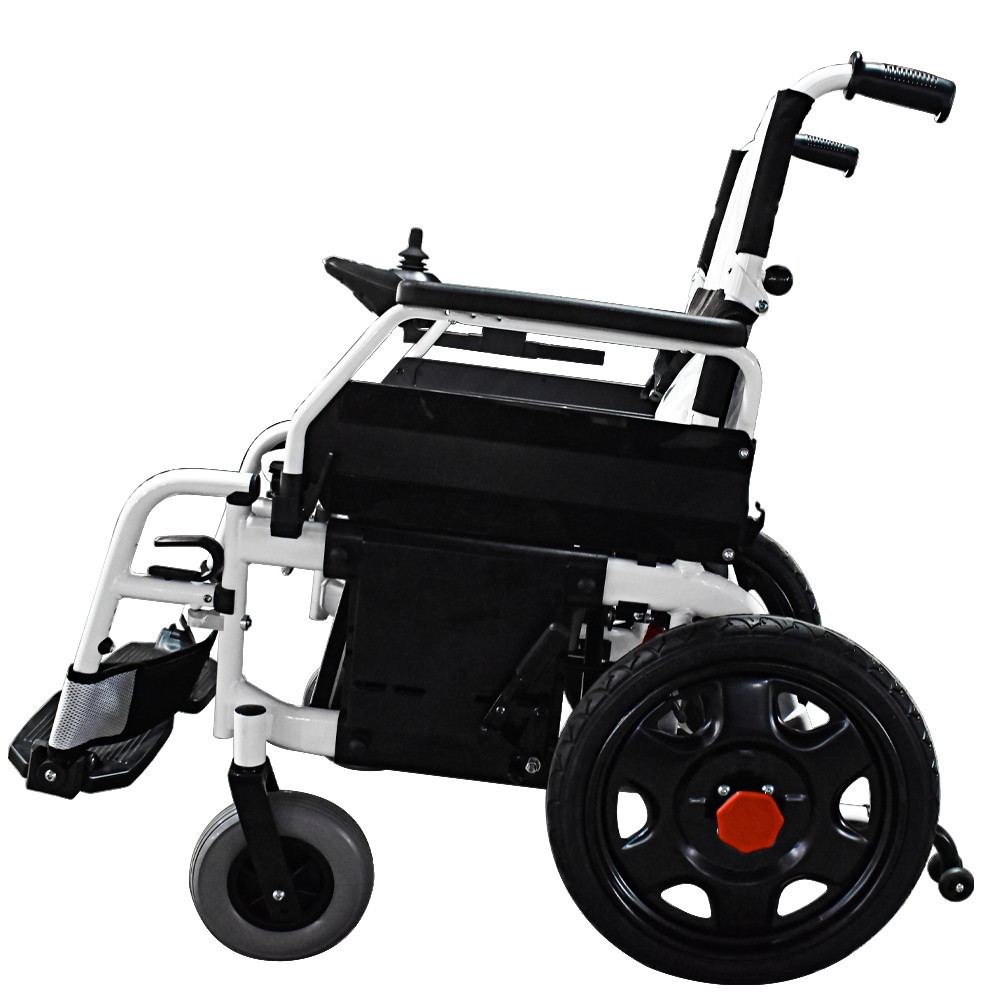
How Can Manufacturers Address Power Drain During Idle Periods?
Power drain in idle electric wheelchairs is not solely a matter of user maintenance; it is also closely linked to product design. For manufacturers, reducing standby power consumption enhances product reliability and lowers costs associated with after-sales repairs and battery replacements.
First, controllers should be optimized for low power consumption by minimizing unnecessary, always-on electrical loads, while still maintaining essential functions like electronic braking and safety protections. Second, the battery management system (BMS) should incorporate an effective "sleep" mode that reduces static power drain without compromising the system's ability to monitor battery safety.
Manufacturers should also test the device’s standby current, sleep-mode current, and long-term storage performance. Furthermore, product manuals should clearly specify the correct shutdown procedure, recommended battery charge level for storage, the frequency for "top-up" charging, and the appropriate ambient temperature range.
For nursing facilities and distributors purchasing power wheelchairs, it is important to look beyond battery capacity and range; factors such as standby power consumption, the cost of battery replacement, and ease of maintenance should also be considered. These metrics are particularly critical for electric wheelchairs that see infrequent use or are kept in long-term reserve.
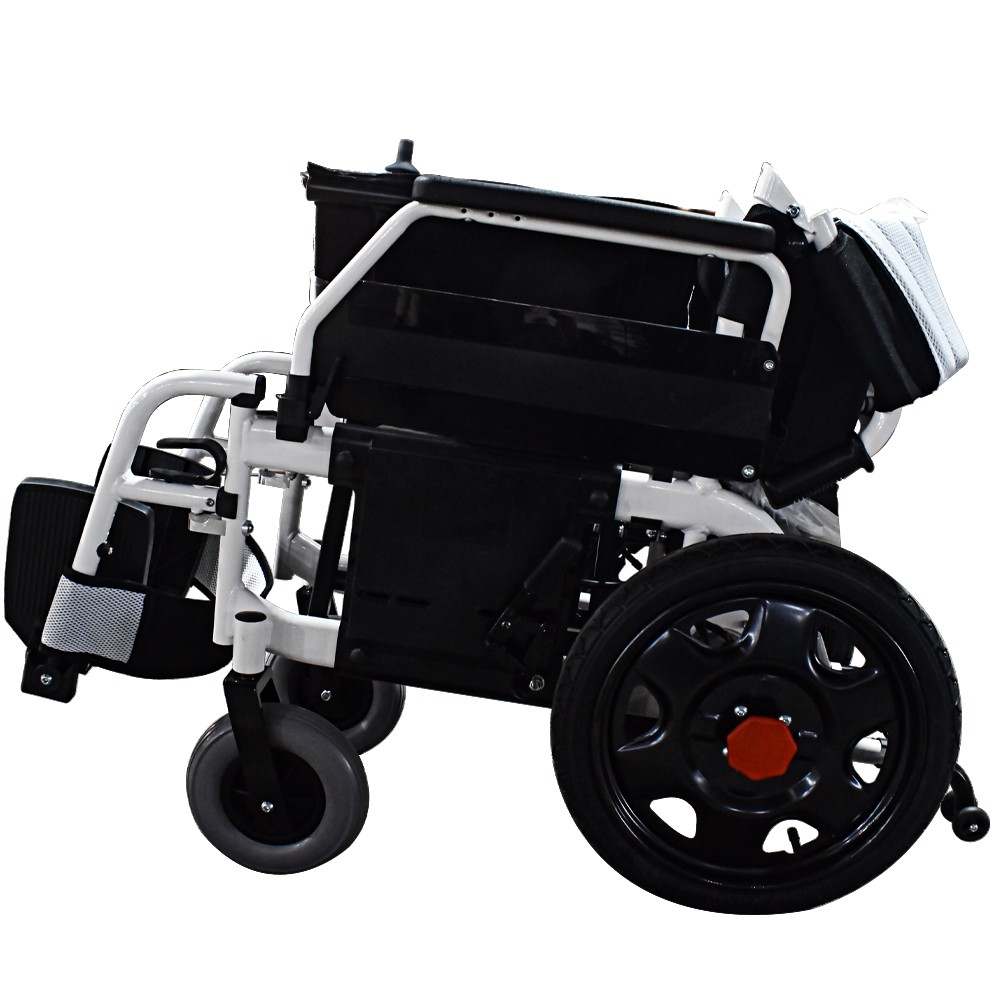
Frequently Asked Questions (FAQ)
FAQ 1: Is it normal for an electric wheelchair to lose some charge overnight when powered off?
A minor drop in charge does not necessarily indicate a fault. However, if there is a significant loss of power every night, you should check the standby power consumption, battery health, and charging status.
FAQ 2: Does an electric wheelchair need to be charged if it has been left idle for a month?
You should check the battery level; whether or not it needs to be recharged depends on the battery type and the manufacturer’s requirements. Some batteries require periodic recharging, so there is no universal rule stating that they must be fully charged once a month.
FAQ 3: Can an electric wheelchair remain connected to the charger if it is not going to be used for a long time?
Not necessarily. It is only appropriate to keep it connected if the manufacturer explicitly permits it and the charging system supports such a mode. Otherwise, you should disconnect the charger as per the user manual and check the battery level periodically.
FAQ 4: If a power wheelchair drains power quickly while idle, must the battery be replaced?
Not necessarily. You should first check the standby current, the charger, the wiring, and the condition of the battery. Replacement should only be considered after confirming that the battery capacity has significantly degraded or that a fault exists.
FAQ 5: Is it okay for a power wheelchair battery to remain completely depleted for a long period?
This is not recommended. Lead-acid batteries may undergo sulfation, while lithium-ion batteries may enter an over-discharge protection state; in severe cases, this can cause irreversible damage.