
With the continuous changes in global population structure, the pressure on healthcare brought about by an aging society is gradually increasing. According to relevant UN data, by 2050, the number of people aged 60 and over worldwide is expected to exceed 2 billion, further increasing their proportion of the global population. Under this trend, the number of patients with chronic diseases, post-operative rehabilitation patients, disabled elderly, and long-term bedridden individuals is constantly increasing, making traditional fixed hospital beds increasingly unable to meet modern care needs.
In the past, many families and nursing institutions viewed hospital beds merely as tools for patients to rest and lie down. However, with the development of medical and nursing concepts, people have gradually realized that the bed environment not only affects patient comfort but also directly relates to rehabilitation efficiency, nursing difficulty, and the risk of complications. Maintaining a single lying position for a long time can easily lead to muscle atrophy, joint stiffness, decreased blood circulation, and even increase the risk of pressure sores and lung infections. Therefore, how to improve the bedridden experience through more scientific nursing equipment has become a common concern in hospitals, nursing homes, and home care.
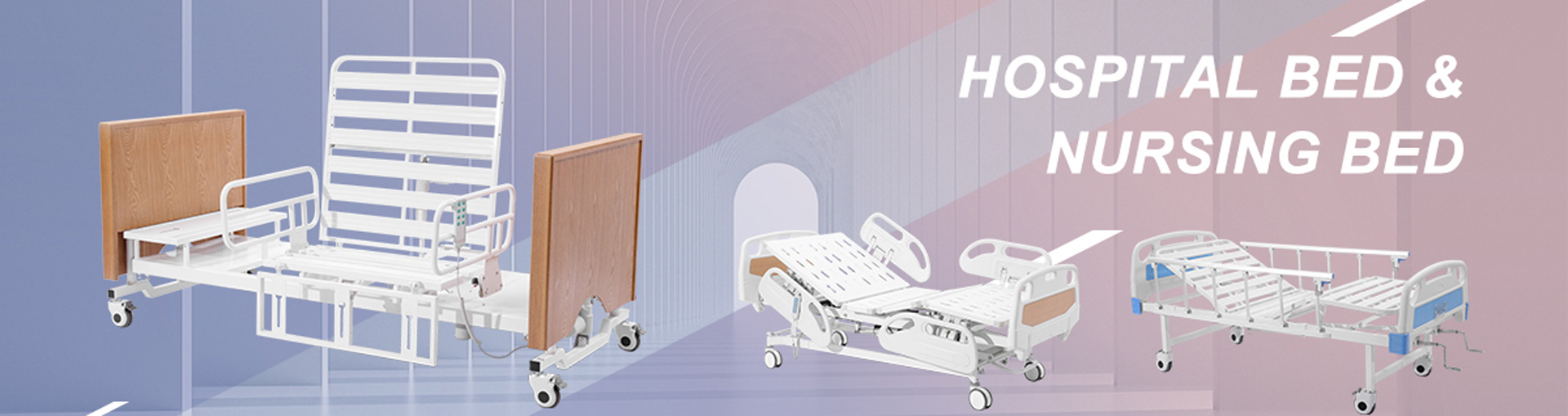
Adjustable hospital beds are a type of professional nursing equipment that has been widely used against this industry backdrop. Compared to traditional hospital beds, adjustable hospital beds offer electric or mechanical adjustments for backrest height, leg support, overall height variation, and different patient positions, allowing patients to adapt to a more comfortable and safer lying posture based on their physical condition. For nursing staff, adjustable hospital beds reduce the workload associated with frequent patient movements, improving care efficiency.
However, many users still have questions during actual purchase and use: "Are adjustable hospital medical beds suitable for all patients?" "Are adjustable hospital beds only for critically ill patients?" "Is this equipment necessary for general home care?" These questions reflect a lack of understanding of specialized nursing equipment in the market.
In fact, adjustable hospital beds are not exclusive to patients with a specific disease, but rather an assistive tool designed for diverse care needs. They are suitable for individuals requiring long-term bed rest, those with limited mobility, those in rehabilitation, and those requiring professional positioning management. Correctly selecting and using adjustable hospital medical beds can not only improve patients' quality of life but also help nursing staff establish a more scientific and efficient care model.
What are the differences between adjustable hospital beds and traditional hospital beds?
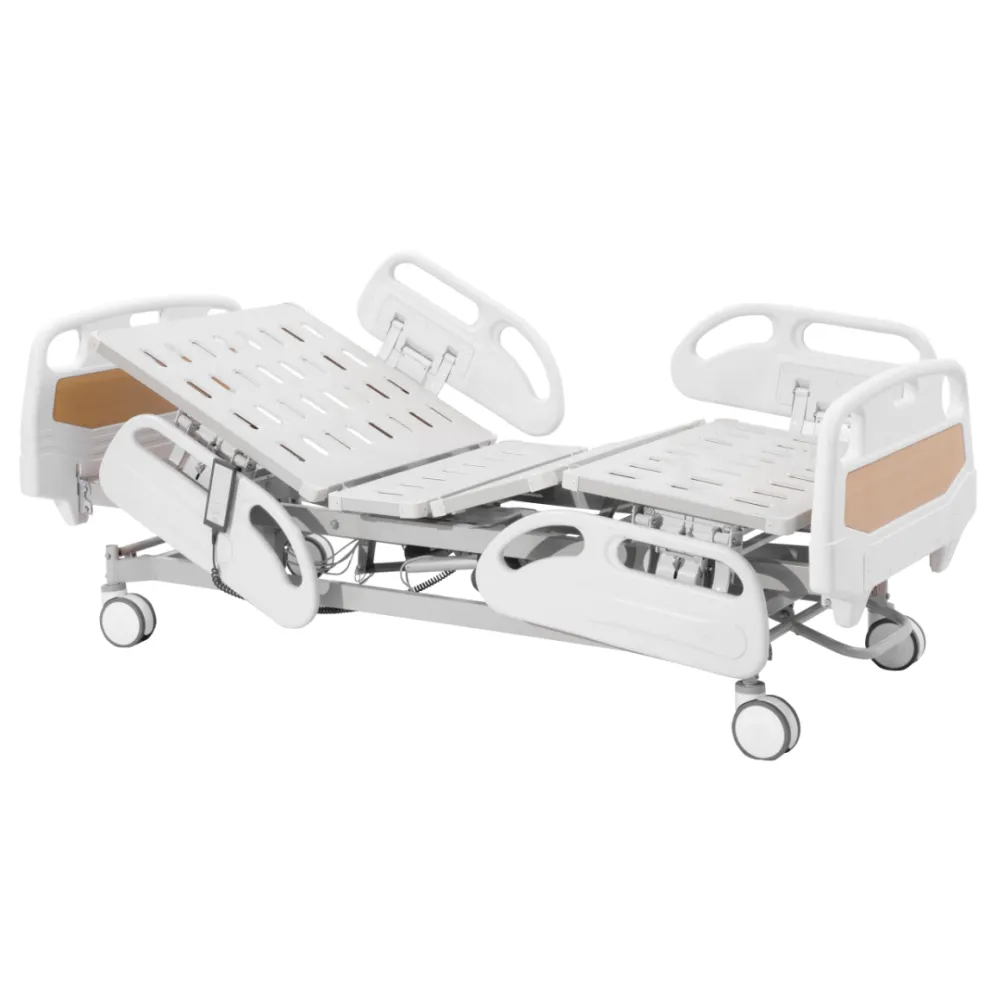
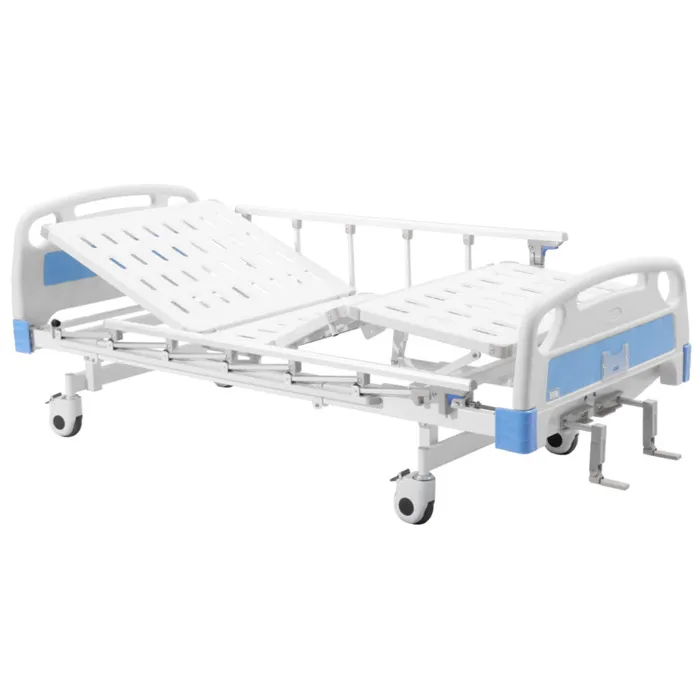
Adjustable hospital beds are medical care devices that allow for adjustments to the bed's angle, height, and the position of certain areas through mechanical structures, electric drive systems, or hydraulic systems. The mainstream products on the modern market are primarily electrically adjustable hospital medical beds, using motors to adjust the backrest, leg support, and overall bed height.
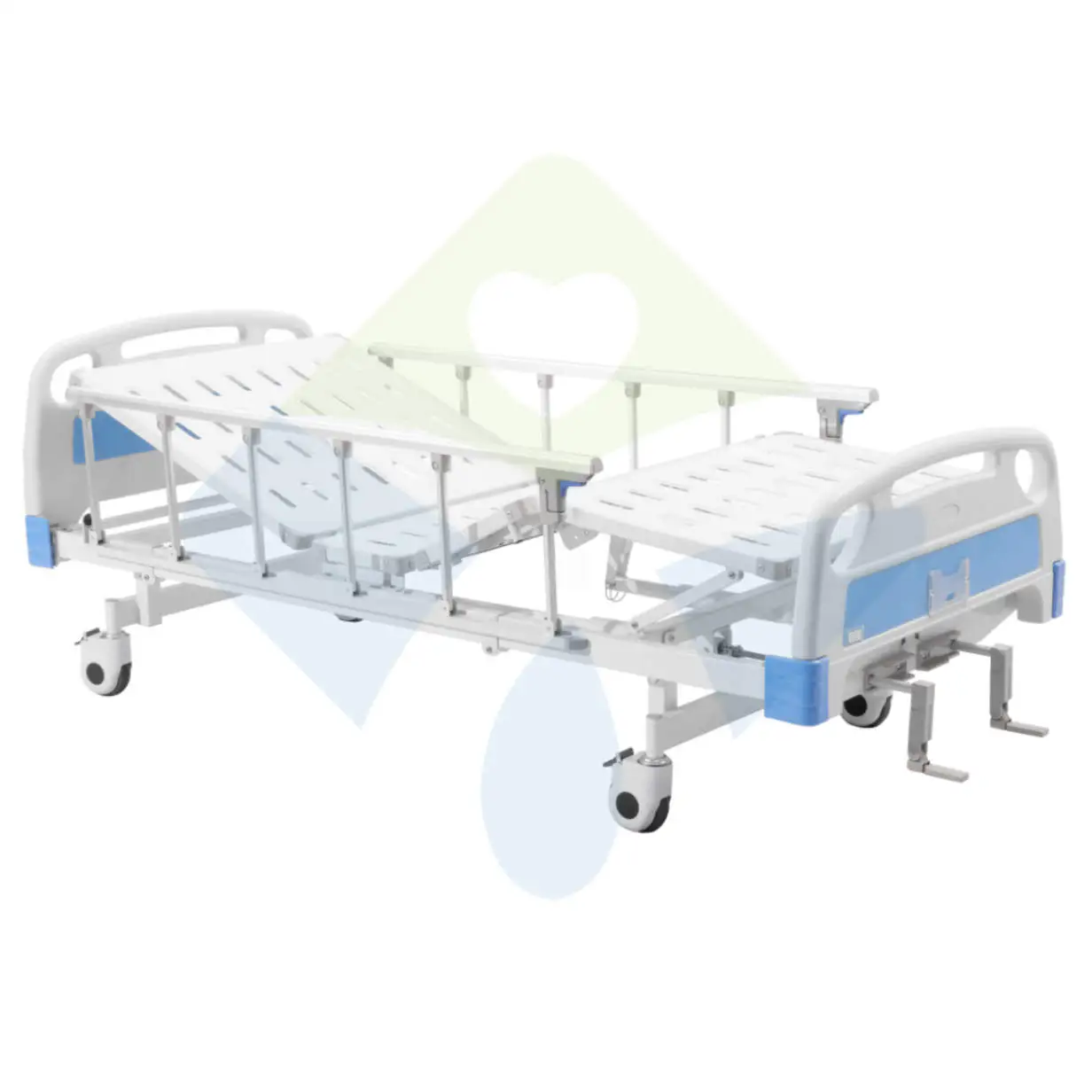
Traditional fixed hospital beds typically only provide a flat lying space, preventing patients from actively changing their posture. When patients are bedridden for extended periods, caregivers need to manually assist them in turning over, adjusting their sitting position, or changing leg position. This not only increases the workload but can also cause secondary injuries due to improper operation.
In contrast, adjustable hospital beds typically offer the following functions:
First, a backrest adjustment function. Patients can adjust the backrest angle using a hand controller to achieve semi-reclining, sitting, or other postures. This eliminates the need for complete assistance from caregivers when eating, reading, communicating, or undergoing rehabilitation training.
Second, a leg adjustment function. Leg adjustment improves lower limb comfort and helps relieve leg pressure in some patients, promoting more effective posture management.
Third, an overall height adjustment function. For nursing staff, bed height adjustment is crucial. A suitable nursing height reduces the physical burden of bending over and lifting movements, improving nursing efficiency.
Fourth, multi-position nursing functions. Some advanced adjustable hospital medical beds also support special position adjustments such as head-down and foot-up, head-up and foot-down, meeting certain clinical nursing needs.
Therefore, adjustable hospital beds are not simply about adding a few height-adjustment functions, but rather about combining patient comfort, safety, and nursing convenience through ergonomic design.
Who are suitable users of adjustable hospital beds?
1. Long-term bedridden patients: The primary target group for adjustable hospital beds
Long-term bedridden patients are the most typical user group for adjustable hospital medical beds. These patients need to remain in bed for extended periods due to illness, decreased physical function, or limited mobility. Without proper position management, a series of nursing problems can easily arise.
For example, patients with stroke sequelae, severe fractures, spinal cord injuries, and neurological diseases often require prolonged rehabilitation care. In traditional hospital settings, patients often require assistance from caregivers to change position, and frequent movement not only increases the difficulty of care but can also cause pain.
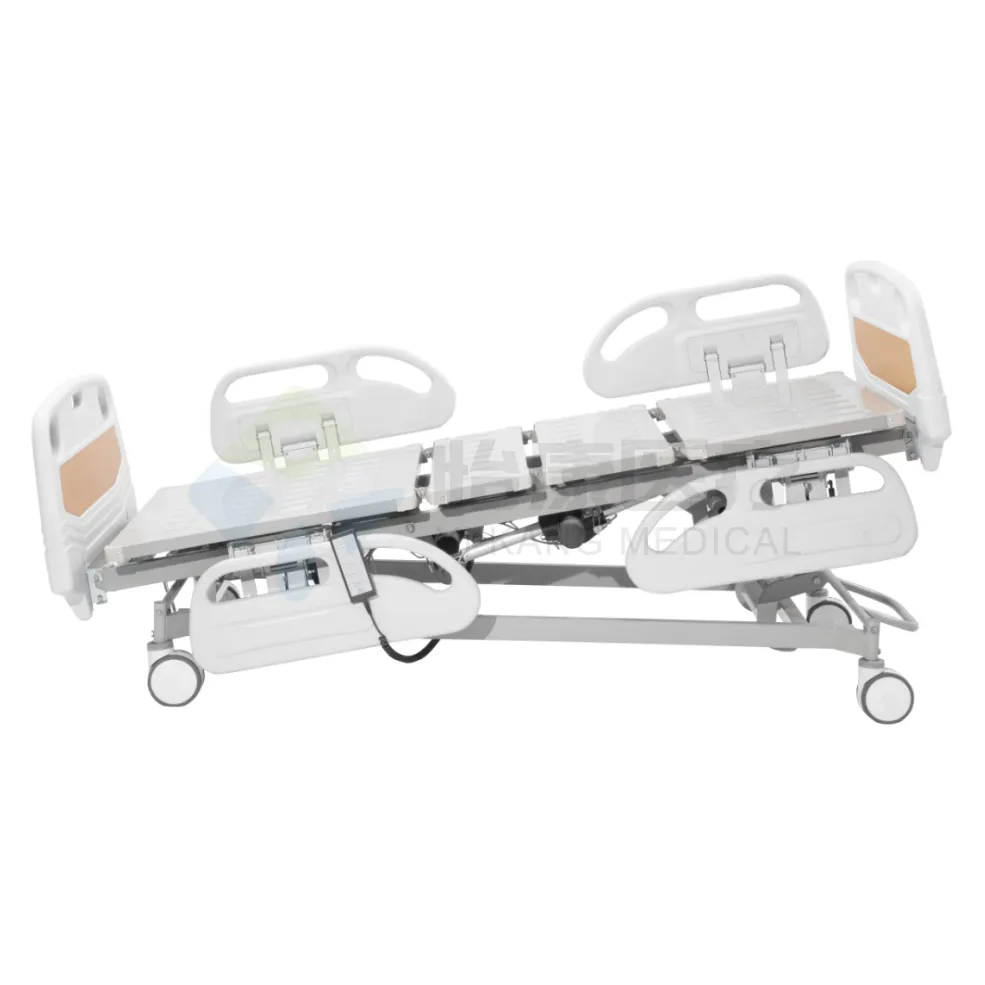
Adjustable hospital beds allow patients to adjust their posture according to their physical condition. For example, raising the back angle helps patients maintain a semi-sitting position, reducing discomfort caused by prolonged lying down; adjusting the leg area improves lower limb support; and changing the bed height facilitates cleaning, changing sheets, and daily care for caregivers.
For long-term bedridden patients, the value of adjustable hospital medical beds lies not only in "making the bed movable," but more importantly, in improving the quality of care through scientific positioning management.
2. Elderly and Disabled Elderly: Improving the Safety of Home Care
With an aging population, the demand for home-based elderly care is constantly increasing. Many elderly people, while not requiring long-term hospitalization, may require long-term care support due to age-related decline in muscle strength and mobility.
Especially suitable for the following elderly groups:
• Those with decreased mobility who require assistance to get up;
• Those with chronic illnesses who require long-term rest;
• Those who are frail and unable to turn over independently;
• Those requiring long-term care from home caregivers.
For these users, adjustable hospital beds offer a more suitable solution for home care environments.
For example, when elderly people get up in the morning, they can gradually sit up by adjusting their back angle, rather than quickly getting up from a lying position, which is safer for those with declining physical function. At the same time, the height adjustment function of the bed helps caregivers to more easily assist with transfers, such as moving from the bed to a wheelchair or sanitation equipment.
Therefore, more and more families are starting to pay attention to home-use adjustable hospital beds, rather than waiting until the patient completely loses mobility before considering purchasing one.
3. Postoperative Rehabilitation Patients: Enhancing the Comfort of the Recovery Process
The postoperative recovery stage is also an important application scenario for adjustable hospital medical beds.
Many patients experience a period of mobility restriction after undergoing orthopedic surgery, joint replacement surgery, spinal surgery, or major surgical procedures. At this stage, patients need both ample rest and gradual rehabilitation training.
Standard beds cannot adjust posture according to the recovery stage, while adjustable hospital medical beds offer more flexible nursing support.
For example: Orthopedic patients may need to maintain a specific angle to avoid excessive pressure on their bodies; postoperative patients may need to eat in a semi-sitting position to reduce discomfort from lying flat; during rehabilitation training, the bed's adjustment function can assist in completing some training movements.
Therefore, in the postoperative rehabilitation phase, adjustable hospital medical beds serve as an important auxiliary device in the medical care system.
4. Patients with Neurological Disorders: Meeting Special Nursing Needs
Some patients with neurological disorders, such as some Parkinson's patients, patients with nerve damage, and patients with motor dysfunction, have higher long-term care needs due to decreased body control.
These patients typically experience the following problems:
Decreased physical activity;
Difficulty in voluntarily adjusting posture;
Prone to muscle stiffness;
Require assistance from nursing staff to complete daily activities.
Adjustable hospital beds, through multi-angle adjustment, can help patients reduce the pressure caused by fixed postures. Meanwhile, nursing staff can adjust the bed angle according to the patient's physical condition that day, improving the flexibility of care.
For patients with neurological diseases, the key to choosing equipment is not more functions, but stability, safety, and ease of operation.
5. Rehabilitation Centers, Nursing Homes, and Senior Care Facilities: Improving Overall Care Efficiency
Besides individual users, adjustable hospital beds are also important equipment for medical and senior care facilities.
For nursing facilities, beds need to meet the different needs of patients every day, so equipment stability, ease of operation, and maintenance costs are crucial.
A well-designed adjustable hospital medical bed can reduce the number of times nursing staff repeatedly move patients, improving work efficiency. For example, during routine care, physical examinations, changing clothes, or cleaning, nursing staff can adjust the bed height to make the operation more ergonomic.
For large nursing facilities, although procurement costs need to be considered, in the long run, high-quality adjustable hospital medical beds can reduce the workload of nursing staff, increase patient satisfaction, and reduce problems caused by non-standard care.
When is it not necessary to purchase an adjustable hospital bed?
While adjustable hospital medical beds have a wide range of applications, not everyone needs to purchase one.
If the user is healthy, capable of normal activity, and only needs occasional rest or short-term use, a regular home bed may suffice.
Furthermore, if the patient only experiences mild mobility impairment for a short period, such as a patient recovering from minor surgery within a few days, renting or other assistive methods can be chosen based on the specific circumstances.
The core criterion for choosing an adjustable hospital bed is not age, but rather the patient's care needs. This type of device is more suitable for those who genuinely require long-term positional adjustment, assistance in getting up, and reduced nursing stress.
How to choose an adjustable hospital bed that suits the patient's needs?
When choosing an adjustable hospital bed, it's necessary to comprehensively consider the patient's physical condition, the nursing environment, and future usage needs.
First, consider the weight-bearing capacity. Currently, the weight-bearing range of medical nursing beds on the market is typically around 150kg to 250kg, with some reinforced models exceeding 300kg. When purchasing, choose the appropriate size based on the patient's weight and care needs.
Second, consider the adjustment functions. More functions are not necessarily better; the key is to match the actual usage. For example, in a home care environment, backrest height adjustment, legroom adjustment, and height adjustment are usually sufficient to meet most needs.
Third, safety design is crucial. For example, the stability of the guardrails, the reliability of the motor, and the operation methods in emergency situations are all important factors to consider.
Fourth, the manufacturer's production capacity and after-sales service are essential. Medical care equipment is not a disposable product; long-term maintenance, spare parts supply, and technical support are equally important.
Yikang Medical® Electric Adjustable Hospital Bed: Emphasizing Structural Stability and Long-Term User Experience
As a company specializing in the research and development and manufacturing of medical care equipment, Yikang Medical® focuses on the needs of hospital care, home-based elderly care, and rehabilitation assistance. Its products cover multiple categories, including electric adjustable hospital medical beds, manual hospital beds, nursing beds, electric wheelchairs, manual wheelchairs, and walking aids.
In terms of manufacturing, Yikang Medical® has a production base of approximately 30,000 square meters, equipped with over 150 production machines and automated welding equipment, improving product consistency through standardized production processes. For adjustable hospital medical beds, the stability of the bed frame structure, motor system, and connecting components directly impacts the long-term user experience. Therefore, manufacturers conduct thorough testing of welding quality, assembly precision, and functional operation during the production process.
Regarding quality systems, Yikang Medical® is certified to medical device-related quality management systems such as ISO13485 and ISO9001, and completes relevant product certifications based on different market demands. Its adjustable hospital medical beds are designed with a focus on load-bearing stability, ease of operation, and nursing safety to meet the needs of various application scenarios, including hospitals, nursing homes, and home care.
For medical care equipment, product value lies not only in the number of functions but also in long-term stable operation. Yikang Medical® aims to help customers obtain more reliable nursing equipment solutions by continuously optimizing its production processes and service systems.
FAQ
1: Are adjustable hospital beds suitable for home use?
Yes. For elderly people who are bedridden for extended periods, post-operative recovery patients, and people with limited mobility, adjustable hospital medical beds can improve the convenience of care at home. However, the home environment needs to be considered in advance, taking into account space size, power supply conditions, and nursing needs.
FAQ 2: What is the difference between an electrically adjustable hospital medical bed and a regular hospital bed?
The main difference lies in functionality and care methods. Regular hospital beds are usually not adjustable, while electrically adjustable hospital medical beds can be adjusted for backrest, legroom, and height via a motor, making them more suitable for long-term care needs.
FAQ 3: What is the typical lifespan of an adjustable hospital medical bed?
The lifespan depends on product quality, usage frequency, and maintenance. Reputable medical-grade products can typically meet continuous use needs for many years, and regular maintenance can further extend the equipment's lifespan.
FAQ 4: What medical and nursing care products does Yikang Medical® primarily manufacture?
Yikang Medical® primarily manufactures adjustable hospital beds, electrically operated nursing beds, manually operated hospital beds, home care beds, electrically operated wheelchairs, manually operated wheelchairs, walkers, and other rehabilitation assistive devices, providing medical and nursing care solutions for hospitals, nursing homes, and home care scenarios.
FAQ 5: What is the most important factor when purchasing an adjustable hospital medical bed?
The most important factor is product safety and stability, including bed frame structure, motor quality, load-bearing capacity, safety design, quality certification, and after-sales service capabilities, not just price.