
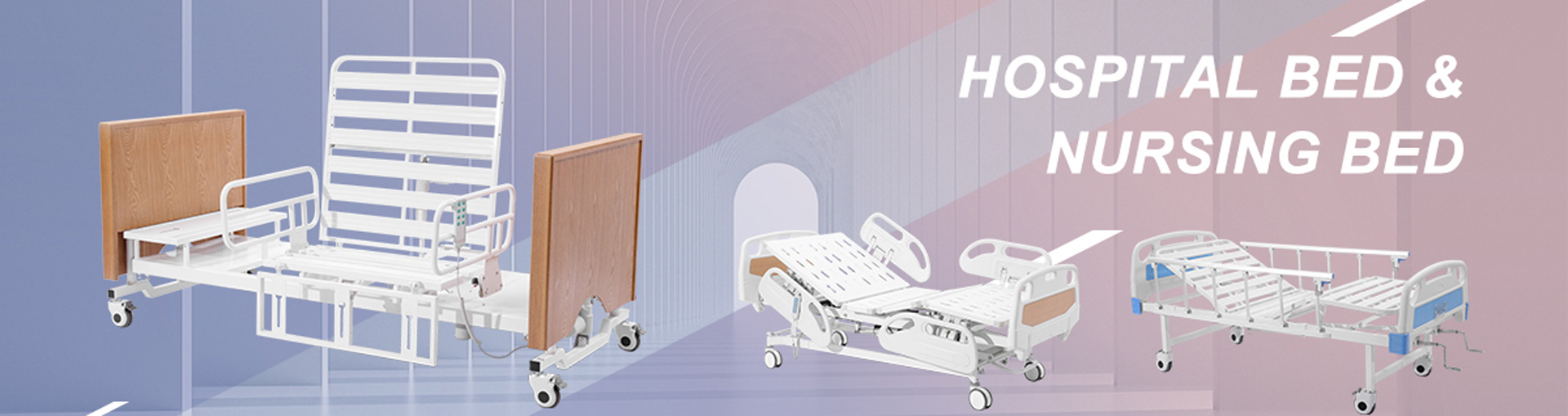
As the demand for home-based elderly care, post-operative rehabilitation, and long-term care grows, home care beds have become essential equipment for both family caregivers and professional care facilities. Unlike standard household beds, home care beds must not only meet basic sleeping needs but also assist users in adjusting their posture, getting in and out of bed, and undergoing daily care routines, all while minimizing the physical strain on caregivers.
So, which features make for the best home care bed? The answer isn't simply "the more features, the better"; rather, the choice depends on the user's physical condition, mobility, specific care needs, and available home space. For individuals who are bedridden for long periods or have limited mobility, adjustable care beds—particularly models that allow for adjustments to the backrest, leg rest, and overall bed height—are often the preferred choice. However, since different features address different needs, it is important to distinguish between functions that are truly useful and those that merely add cost without necessarily benefiting the user.
Home Care Beds: Why is adjustability important?
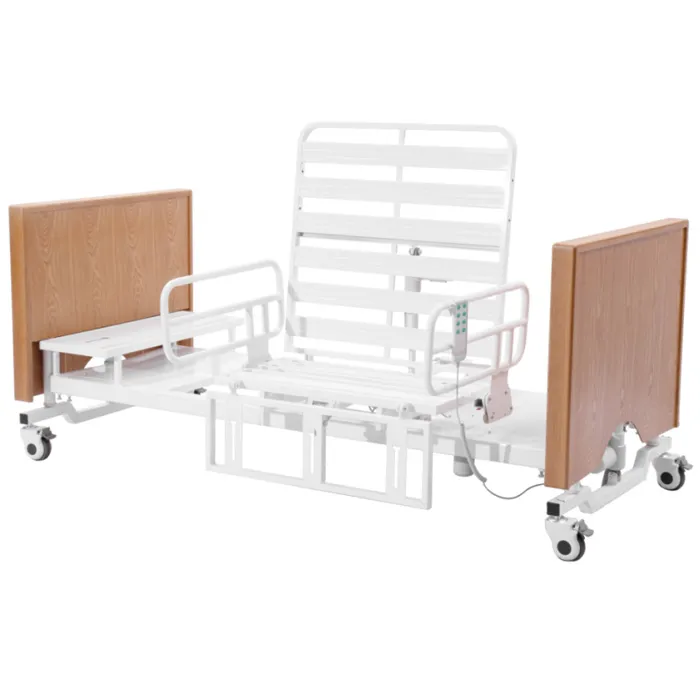
A home care bed is specialized furniture designed for home-based care, post-operative recovery, elderly care, and situations requiring long-term bed rest. Common features include an adjustable bed surface, head and foot rails, a handheld controller, a locking caster system, and optional accessories such as specialized mattresses and sit-to-stand aids.
Standard beds typically offer only a fixed sleeping surface, requiring users to rely on their own strength or caregiver assistance to sit up, turn over, or get in and out of bed. In contrast, adjustable care beds use mechanical or electric mechanisms to alter the angle and height of the bed surface. This makes it easier for users to find a comfortable position and facilitates tasks for caregivers, such as cleaning, dressing, feeding, and other daily care activities.
For instance, raising the head of the bed helps users maintain a comfortable posture while eating, reading, or socializing; raising the bed surface helps caregivers avoid prolonged bending; and lowering the bed surface can make it easier for some users to get in and out of bed while reducing the risk of injury from a fall. FDA guidelines on hospital bed safety also recommend considering height-adjustable beds based on individual risk factors, locking casters when the bed is in use, and adjusting the bed height to suit caregiving tasks.
It is important to note that home care beds are not a substitute for professional medical care. For users with respiratory, circulatory, or swallowing issues, or severe mobility impairments, adjustments to the bed angle and body positioning should be made in consultation with healthcare professionals rather than based solely on personal comfort.
What are the main types of home care beds?
Home care beds can be categorized by their adjustment mechanisms and functional design. When purchasing, one should first distinguish between manual, electric, and multifunctional models, then determine the specific configuration based on actual needs.
1. Manually Adjustable Home Care Beds
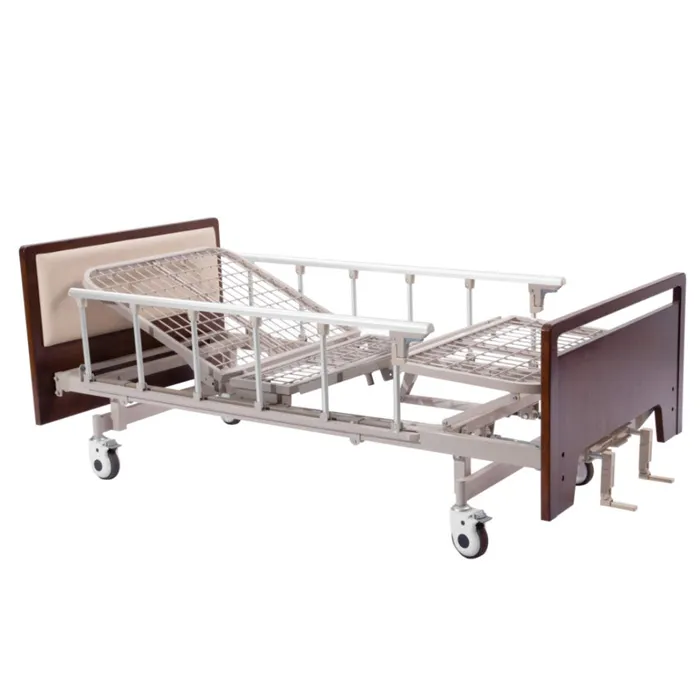
Manual home care beds typically use hand cranks or mechanical devices to adjust sections such as the headrest and leg rest. Their structure is relatively simple and does not rely on electric motors, making them suitable for households with limited budgets, infrequent adjustment needs, and caregivers available to assist with operation.
The advantage of these beds is their minimal electrical components, which simplifies routine maintenance. However, if the user requires frequent position changes throughout the day, or if the caregiver must operate the bed often, manual adjustment can be physically demanding and less efficient. Therefore, before purchasing, check the ease of operating the crank, the stability of the bed frame, and the frequency of adjustments required by the user.
2. Electrically Adjustable Home Care Beds
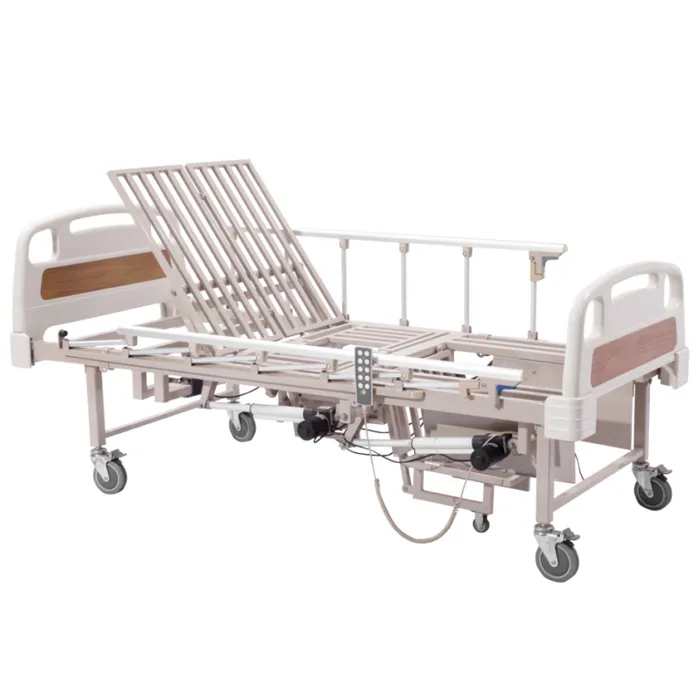
Electric home care beds use motors and controllers to adjust the bed surface; users or caregivers can change the position of the headrest or leg rest, or the height of the entire bed, at the touch of a button. Compared to manual models, electric beds are generally better suited for households where frequent position changes are necessary, mobility is limited, or the caregiving workload is high.
Common features of electric home care beds include backrest elevation, leg rest adjustment, and overall bed height adjustment. Since some models may only offer one or two of these functions, one should not judge the configuration solely by the label "electric home care bed." Instead, verify the specific adjustment capabilities, maximum weight capacity, control methods, and backup procedures for power outages as detailed in the product manual.
3. Dual-Function Adjustable Nursing Bed
Dual-function nursing beds typically feature backrest and leg-rest adjustments. The backrest adjustment allows the user to shift from a flat lying position to a semi-seated or reclining posture, while the leg adjustment alters the position of the knees and legs, enhancing comfort for some users.
These home nursing beds are suitable for users who require assistance sitting up, eating, reading, or adjusting their leg position. If the primary need is basic postural adjustment without the requirement to frequently change the bed's overall height, a dual-function model may suffice.
4. Three-Function Adjustable Nursing Bed
Three-function nursing beds add an overall bed-height adjustment feature to the standard backrest and leg-rest adjustments. This allows for changes not only to the user's posture but also to the distance between the bed surface and the floor.
The height-adjustment feature is highly practical for long-term care: caregivers can adjust the working height as needed for tasks like cleaning, changing clothes, or providing bedside care, and then lower the bed to a level that makes it easier for the user to get in and out. Note that specific feature combinations vary by manufacturer and model; one cannot assume that all three-function beds offer the same range of adjustment.
5. Multifunctional Nursing Bed
Multifunctional nursing beds may come equipped with electric backrest and leg-rest adjustments, overall height adjustment, adjustable side rails, bedside controls, and accessories tailored to specific care needs. Some models offer additional features such as built-in scales, "out-of-bed" alerts, or other assistive functions, though not every household requires these capabilities.
Multifunctional beds are best suited for scenarios involving complex care needs, frequent postural adjustments, or specialized care routines. However, added functionality often entails higher purchase costs, increased maintenance requirements, and more complex operation. When choosing, focus on actual care needs rather than simply prioritizing the number of features.
Which type of home nursing bed is best?
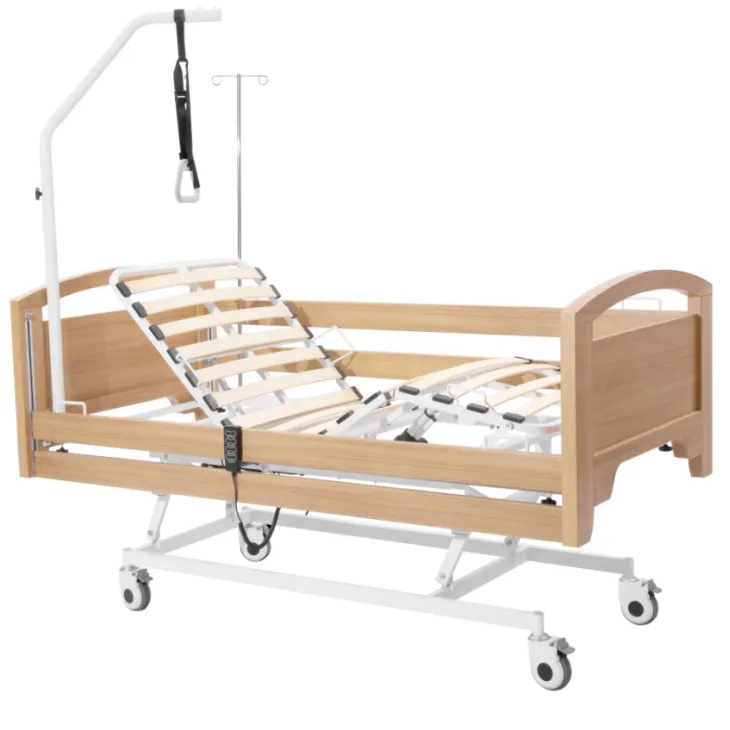
For most households requiring daily care, an electric nursing bed featuring backrest, leg-rest, and overall height adjustments is a top choice worth considering. However, if the user has good mobility and only occasionally needs the head of the bed raised, a dual-function nursing bed may be more economical; conversely, if the user is bedridden long-term and requires frequent assistance from caregivers for transfers and hygiene, a three-function or multi-function bed is usually more practical.
1. Backrest Adjustment: Improving Seated and Reclining Postures
Backrest adjustment is one of the most important features of a home nursing bed. Users can transition from lying flat to a semi-seated or reclining position, making it easier to eat, read, socialize, or perform certain daily activities. For individuals unable to sit up independently, electric backrest adjustment also alleviates the physical strain on caregivers who would otherwise have to manually lift the user's upper body repeatedly.
However, a steeper backrest angle is not necessarily better. Comfort levels, respiratory conditions, physical control, and medical needs vary among users; excessive elevation can cause the body to slide down or alter pressure distribution. When purchasing, check the manufacturer's specified maximum adjustment angle and evaluate it based on the user's specific circumstances.
2. Leg Adjustment: Enhancing Flexibility in Positioning
Leg adjustment allows for changes in knee and leg support, helping users find a more comfortable position. For those confined to bed for long periods, proper leg support can help reduce discomfort and facilitate position adjustments by caregivers.
It is important to note that elevating the legs is not suitable for everyone. Users with specific circulatory disorders, post-operative restrictions, or other medical issues should select an appropriate angle based on the advice of healthcare professionals. Furthermore, the leg adjustment function of a nursing bed cannot replace professional thrombosis prevention or other medical treatments.
3. Bed Height Adjustment: Benefiting Both Users and Caregivers
Adjustable bed height is a key advantage of nursing beds. Caregivers can raise the bed during dressing, cleaning, and other care tasks to reduce the physical strain caused by prolonged bending; conversely, when the user is preparing to get in or out of bed, the height can be adjusted to facilitate the transfer.
If the user is at risk of falling, the ability to lower the bed to a safe, low position is crucial. However, the minimum height should match the user's transfer capabilities: a bed that is too low may make it difficult for some individuals to stand up, while one that is too high can make getting in and out more challenging. An ideal nursing bed should be adjustable based on the user's height, leg strength, and use of assistive devices.
4. Side Rails and Assistive Devices: Enhancing Usability
Side rails can provide support for users when turning over, adjusting their posture, or getting in and out of bed; however, longer or higher rails do not necessarily equate to greater safety. The FDA has noted that gaps between the rail and the mattress can lead to entrapment of body parts, and some users may attempt to climb over the rails, thereby increasing the risk of injury.
Therefore, when purchasing a home nursing bed, one should assess the necessity of side rails based on the user's physical and cognitive condition and ensure compatibility between the rails, mattress, and bed frame. Individualized risk assessments are particularly important for users prone to agitation or confusion, or those unable to free themselves if trapped. When necessary, consider options such as low-profile nursing beds, appropriate transfer aids, and increased supervision rather than relying solely on side rails.
5. Electric Controls and Emergency Operation: Essential Practical Features
Electric nursing beds are typically adjusted via a handheld controller. Controller buttons should be clear and easily identifiable, and cables should be routed properly to prevent them from getting caught in the bed frame or moving parts. For users with limited hand strength or dexterity, the button layout and the ergonomics of the controller are also crucial factors.
When purchasing, it is also important to understand emergency procedures for power outages—such as the availability of a backup power supply or a manual reset mechanism—as well as warranty policies for the motor and controller. For long-term care applications, electrical safety and the availability of after-sales service are often more important than superfluous features.
What parameters should be considered when purchasing an adjustable nursing bed?
When selecting a home nursing bed, key factors to consider include bed dimensions, rated weight capacity, adjustment range, minimum bed height, mattress compatibility, and operating noise levels. Specific parameters should be verified against the manufacturer's technical documentation; the specifications of a single model should not be treated as a universal standard for all nursing beds.
| Specification | What to Check | Why It Matters |
| Bed Dimensions | Overall length and width | Must fit the user and room |
| Weight Capacity | Manufacturer's rated load | Must support the user and applicable accessories |
| Backrest Adjustment | Maximum angle and range | Supports sitting and reclining |
| Leg Adjustment | Available positioning range | Improves positioning flexibility |
| Height Adjustment | Minimum and maximum height | Supports transfers and caregiving |
| Side Rails | Compatibility and safety gaps | Helps reduce foreseeable hazards |
| Mattress Compatibility | Size, thickness, and support type | Ensures proper fit and support |
| Power System | Controller, motor, emergency operation | Affects safety and maintenance |
1. Bed Dimensions and Room Space
A nursing bed must not only accommodate the user but also leave sufficient space for caregivers to perform their duties. Before purchasing, measure the width of the bedroom door and hallways, as well as the available space beside the bed. Also, consider whether caregivers need access from both sides to perform cleaning, turning, and transfer tasks.
If home space is limited, prioritize checking the bed's external dimensions, the structure of the headboard and footboard, the positioning of the casters, and the space occupied when the bed rails are raised. Do not rely solely on mattress dimensions, as the actual width and length of the bed frame are usually larger.
2. Rated Load Capacity and Bed Stability
Rated load capacity is a key factor when selecting a nursing bed. Verify that the manufacturer's weight rating covers both the user and any necessary accessories, and understand the usage requirements for the frame, lifting mechanism, and casters under the rated load.
For users with higher body weight or those requiring specialized care accessories, select a model that meets actual load requirements and check the product's stability and usage limitations. Do not assume a product is safe simply because the bed frame looks sturdy or heavy.
3. Mattress and Pressure Management
For individuals who are bedridden for extended periods, mattress support, dimensions, and surface materials are crucial. Standard mattresses may not be suitable for the articulating structure of a nursing bed, especially when the back and leg sections are frequently adjusted. A mattress that is too thick, too soft, or incorrectly sized can interfere with the bed's movement and create dangerous gaps between the mattress and the side rails.
For users at risk of pressure injuries, assess whether a pressure-redistributing mattress or other specialized support surface is needed based on individual circumstances. The adjustable functions of a nursing bed cannot replace regular repositioning and skin inspections.
FAQ: Common Questions About Home Nursing Beds
1. Is a manual or electric home nursing bed better?
If adjustments are infrequent and assistance is available, a manual nursing bed may be more economical; if frequent position adjustments are required, an electric adjustable nursing bed is usually more convenient.
2. What is the difference between dual-function and triple-function nursing beds?
In common configurations, a dual-function nursing bed typically supports back and leg adjustments; a triple-function nursing bed adds the ability to raise and lower the entire bed platform. However, functional definitions may vary among manufacturers; please refer to the specific product specifications.
3. Are side rails essential for home care beds?
Not necessarily. While side rails can provide grip and support for some users, they also pose risks such as entrapment or falls resulting from climbing over them. An assessment should be made based on the user's mobility, cognitive status, and actual needs.
4. Can adjustable care beds prevent pressure ulcers?
The adjustment functions of a care bed facilitate position changes but cannot prevent pressure ulcers on their own. A suitable mattress, regular repositioning, skin inspections, and professional care are equally important.
5. What are the most important specifications to consider when purchasing a care bed?
It is recommended to prioritize checking the bed dimensions, rated weight capacity, minimum and maximum bed surface heights, adjustment ranges for the backrest and leg sections, mattress compatibility, as well as the safety of the electric system and the availability of after-sales service.