
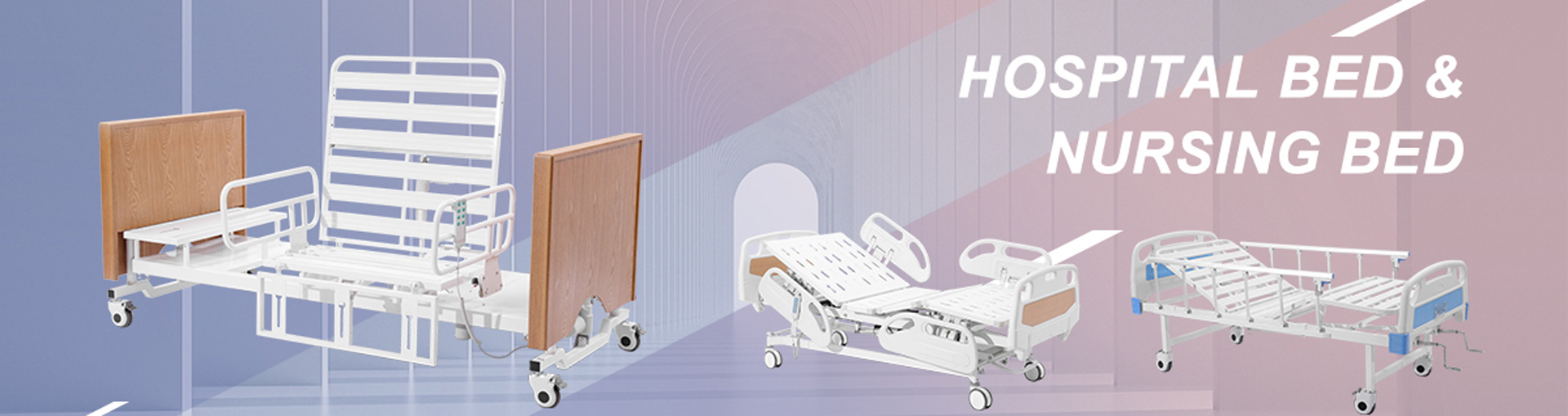
As modern medical and nursing needs become increasingly specialized, hospital beds are no longer merely basic equipment for patients to lie on. Standard hospital beds may fall short in terms of weight capacity, safety, positioning capabilities, and nursing functionality when dealing with bariatric patients, pediatric patients, those at high risk of falling, or critically ill patients; consequently, a system of specialized hospital beds has emerged.
Common specialized hospital beds in clinical settings include bariatric beds, low-profile beds, pediatric beds, and intensive care unit (ICU) beds. While all fall under the category of hospital beds, they are designed for different purposes. Bariatric beds address the specific needs of heavy patients regarding weight capacity, bed width, and patient transfer. Low-profile beds focus on minimizing fall risks. Pediatric beds are designed with children's body sizes and safety requirements—such as preventing entrapment—in mind. ICU beds must accommodate the complex treatment, positioning management, and medical equipment connectivity required for critically ill patients.
Therefore, specialized beds are not simply standard beds with a few extra features; they are medical devices with structures and functions engineered for specific clinical scenarios. Understanding the characteristics of these specialized beds is crucial for hospital procurement, the outfitting of nursing facilities, and the selection of home care equipment.
What is a specialized hospital bed, and why is specialized design necessary?
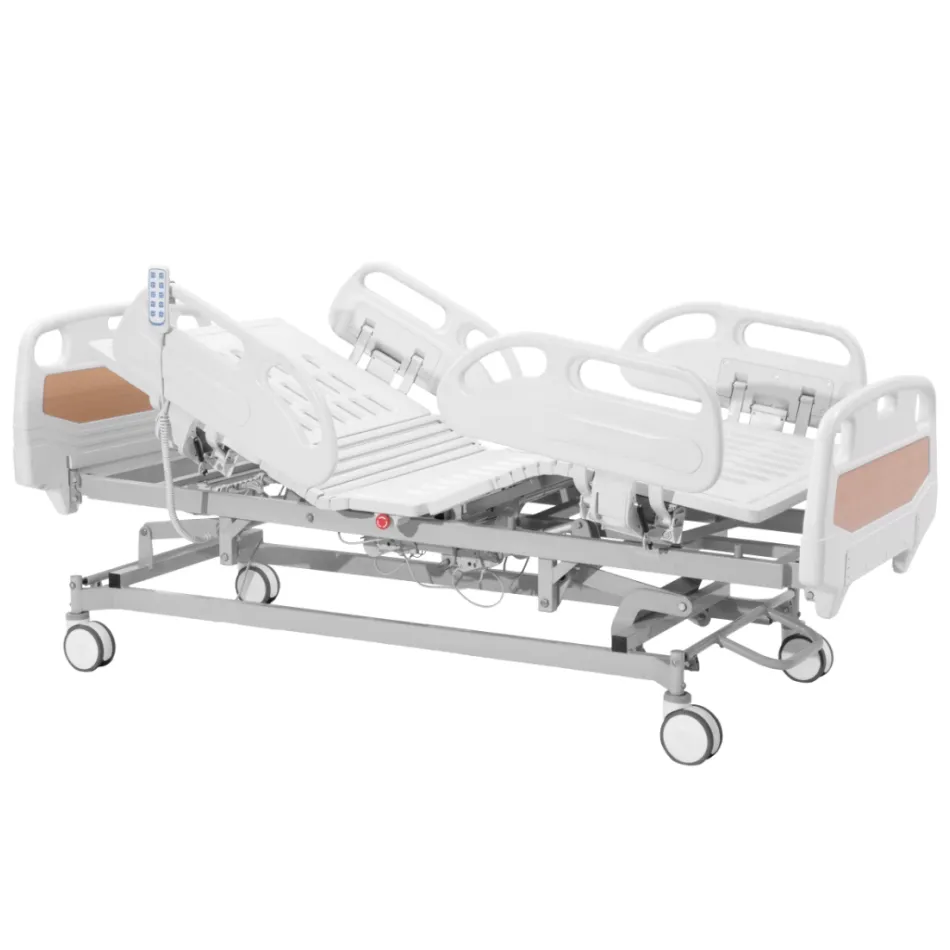
A specialized hospital bed is a medical bed designed for specific patient populations, disease characteristics, or care environments. Compared to standard hospital beds, specialized beds place greater emphasis on patient safety and specific nursing requirements.
For instance, while a standard hospital bed typically meets the needs of the average adult patient—such as reclining, raising the backrest, elevating the legs, and adjusting height—it may prove inadequate for a patient weighing over 200 kilograms due to issues like insufficient width, limited weight capacity, and mobility challenges; in such cases, a bariatric bed is required.
Similarly, bed height is a critical safety factor for elderly patients prone to falls or those with altered states of consciousness. If a standard bed's minimum height remains too high, even side rails cannot fully eliminate the risk of injury from a fall; thus, low-profile beds are more suitable for these patients. Pediatric patients cannot simply use scaled-down versions of adult hospital beds. Due to their smaller size and different activity patterns, children have specific requirements regarding the spacing between bed rails, rail height, mattress fit, and anti-entrapment design. The FDA has explicitly stated that guidelines regarding anti-entrapment measures for adult hospital beds cannot be directly applied to pediatric patients.
In contrast, ICU patients are often connected to ventilators, monitors, infusion pumps, and drainage equipment, and require frequent repositioning and transfers; consequently, the functional and safety requirements for intensive care beds are significantly higher than those for standard hospital beds.
Bariatric Beds: Addressing Weight Capacity and Space Requirements
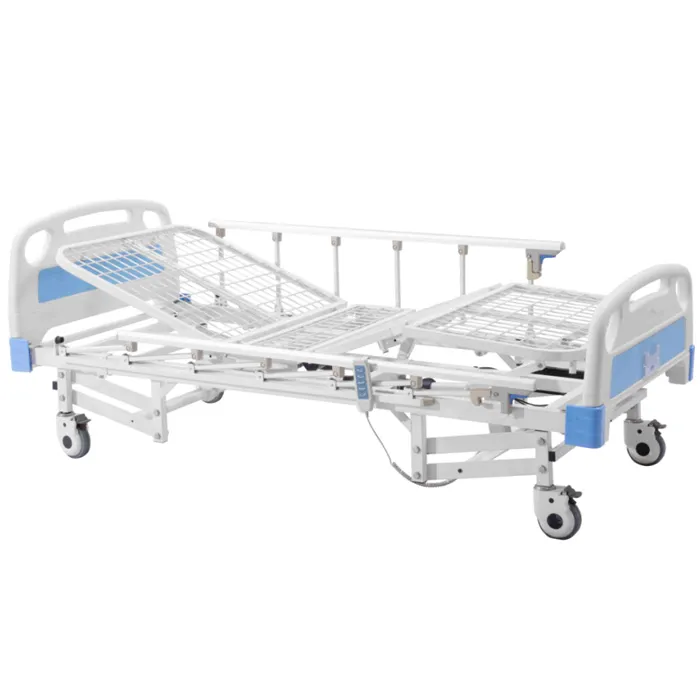
Bariatric beds are specialized beds designed for patients with high body weight. Compared to standard hospital beds, their most distinct features are greater width, enhanced structural strength, and higher weight capacity.
According to US FDA classifications, a bariatric bed is an electrically adjustable bed intended for patients weighing 500 pounds (approximately 227 kg) or more; some models feature widths that can expand from 38 inches to 60 inches (approximately 97–152 cm).
Bed width is crucial for patients with high body weight. If the sleeping surface is too narrow, the patient's ability to turn over, get in and out of bed, and receive care is restricted. Bariatric beds typically feature wider surfaces and reinforced frames, with some models offering adjustable width capabilities.
Weight capacity is another core specification for bariatric beds. Hospitals must consider not only the patient's weight but also the load from mattresses, bedding, and additional weight generated during care procedures and patient transfers. Therefore, when purchasing bariatric beds, the focus should be on verifying the "Safe Working Load" rather than simply comparing a "maximum weight capacity" figure.
Furthermore, since transferring patients with high body weight is often more challenging, bariatric beds must also address features such as height adjustment, caster systems, central braking, side rails, and compatibility with patient transfer equipment.
In short, bariatric beds address more than just the issue of a patient being "too heavy"; they provide a comprehensive solution covering weight capacity, spatial requirements, patient comfort, and safety during care.
Low-Height Hospital Beds: Key Equipment for Reducing Fall Risks
The defining feature of a low-height hospital bed is its ability to lower the sleeping surface closer to the floor than a standard hospital bed. These beds are primarily intended for patients at high risk of falling, those with reduced mobility, patients with cognitive impairments, and certain long-term care patients.
For patients prone to getting out of bed unassisted, bed rails alone cannot entirely eliminate the risk of falls. However, if the bed is positioned at a low height, the distance between the patient's body and the floor is minimized in the event of a fall, thereby helping to reduce the risk of injury associated with such incidents.
The FDA recognizes low-height beds as a measure to mitigate hospital bed-related fall risks and recommends their appropriate use based on individual patient needs.
However, "lower is not always better." If a bed remains at a very low position, caregivers may be forced to bend over for extended periods while performing tasks such as turning the patient, changing dressings, or cleaning, which can hinder care efficiency. Consequently, well-designed low-height beds typically feature a wide range of height adjustment: the bed surface can be lowered while the patient rests or sleeps at night and raised to a suitable working height when care is required.
Similarly, the use of bed rails should not be viewed simply as "the more, the safer." Decisions regarding the use of bed rails must be based on an assessment of the patient's mobility, level of consciousness, and fall risk. Safety management should address the bed, rails, mattress, and care protocols as an integrated system.
Pediatric Hospital Beds: Specialized Safety Designs for Young Patients
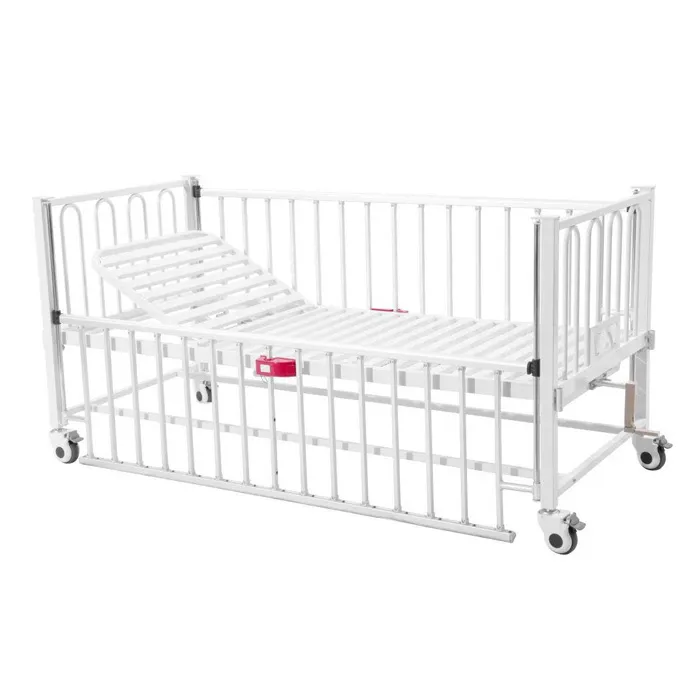
Pediatric hospital beds are specialized beds designed specifically for children. Their design goes beyond merely scaling down adult hospital beds; instead, they are re-engineered to accommodate the unique physical characteristics and behaviors of children.
Because pediatric patients may attempt to climb, roll over, or squeeze into narrow spaces, the design of these beds must prioritize safety features such as guardrails, the spacing between rails, mattress specifications, and mechanisms to prevent entrapment.
The FDA has established a specific classification for pediatric hospital beds, defining the relevant equipment as "pediatric medical cribs," which underscores that medical beds designed for children are subject to distinct safety and regulatory requirements. Children vary significantly in height, weight, and mobility across different age groups; therefore, when purchasing pediatric hospital beds, hospitals should prioritize verifying the product's suitability regarding age and body size rather than focusing solely on the bed's physical dimensions.
For pediatric beds, safety design is generally more critical than the number of features. Hospitals must pay close attention to side rail structure, locking mechanisms, mattress compatibility, the spacing between side rails, and the potential for entrapment hazards.
Consequently, as a general rule, pediatric patients should be accommodated in beds specifically designed for pediatrics that meet the relevant standards, rather than in standard adult hospital beds.
Critical Care Beds: Core Nursing Equipment in the ICU
Critical care beds represent a category of specialized beds with demanding functional and operational requirements, primarily used in Intensive Care Units (ICUs) and similar high-acuity settings.
ICU patients often present with complex medical conditions and may simultaneously require ventilators, monitors, infusion pumps, and drainage equipment; thus, critical care beds must not only support the patient but also provide a stable platform for treatment and nursing care.
First is the capability for positioning. Critically ill patients may require frequent adjustments to their body position for respiratory therapy, circulatory management, or nursing procedures. Consequently, critical care beds typically feature adjustable backrests, leg sections, and overall height, with some models supporting additional specialized positions.
Second is mobility and braking. ICU patients may need to be transported between the ward, examination rooms, and operating theaters; therefore, the beds must be equipped with reliable casters and a central braking system that allows for rapid switching between mobile and stationary states.
Third is accessory compatibility. Items such as IV poles, drainage devices, mounts for monitoring equipment, and oxygen delivery systems are often used in conjunction with critical care beds, necessitating well-designed attachment points.
Fourth is emergency operation capability. In the event of a medical emergency, healthcare staff may need to rapidly adjust the bed and the patient's position; therefore, the control system should be simple, intuitive, and compliant with relevant safety standards. The international standard IEC 80601-2-52 outlines requirements for the basic safety and essential performance of medical beds; the 2026 edition (IEC 80601-2-52:2026) further updates the specifications for standard medical beds and those with special functions.
What distinguishes these four types of specialized medical beds?
From the perspective of clinical needs, the distinctions can be understood as follows:
Bariatric beds primarily address issues of "weight and space"; key parameters include safe working load, bed surface width, frame strength, and patient transfer capabilities.
Low-profile beds primarily address "fall risk"; key parameters include minimum bed height, height adjustment range, side rails, and associated safety features.
Pediatric beds primarily address "child safety"; key parameters include applicable age range, bed dimensions, side rail structure, rail spacing, and anti-entrapment design.
Intensive care beds primarily address "complex treatment and high-intensity nursing"; key parameters include positioning adjustments, load-bearing capacity, mobility, braking systems, accessory compatibility, and emergency operation functions.
Therefore, hospitals cannot simply apply a "one-size-fits-all" standard when procuring specialized medical beds.
What are the common pain points in procuring specialized medical beds?
A common issue during the procurement process is an overemphasis on product specifications without fully considering clinical usage scenarios.
For instance, a bariatric bed rated for a maximum load of 300 kg is not necessarily suitable for every patient weighing 300 kg; hospitals must also consider patient body shape, bed surface width, mattress weight, and transfer methods.
The same applies to low-profile beds. Focusing solely on achieving the lowest height while ignoring the working height for nursing staff can hinder daily care routines.
For pediatric beds, one cannot look merely at side rail height; it is essential to comprehensively evaluate rail spacing, mattress dimensions, and the activity patterns of children across different age groups.
Similarly, when selecting intensive care beds, one should not simply compare the "number of electric functions." For ICUs, features such as positioning capabilities, casters, braking systems, equipment compatibility, ease of cleaning and maintenance, and emergency operation capabilities are often of greater importance.
Therefore, a truly rational approach to procuring specialized hospital beds should shift from merely comparing product specifications to aligning with specific clinical needs.
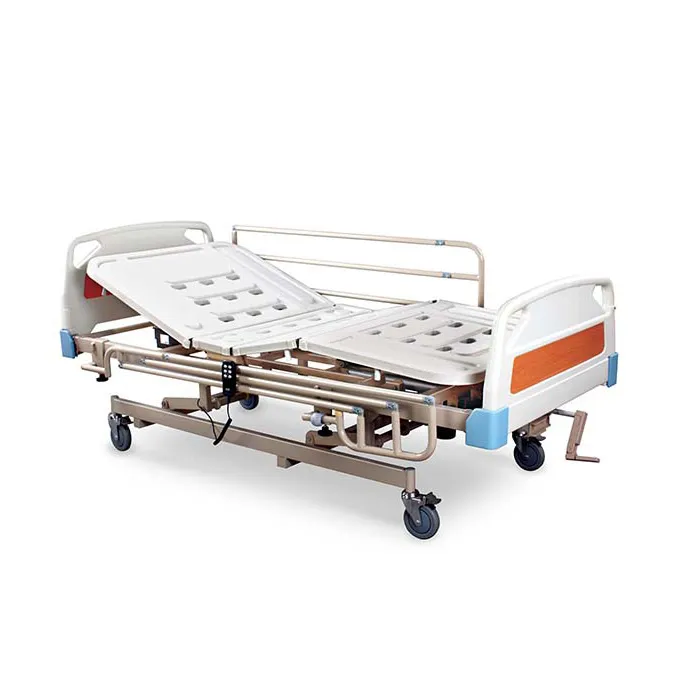
FAQ: Common Questions About Specialized Hospital Beds
Q1: What are some common types of specialized hospital beds?
Common types include bariatric beds, low-profile beds, pediatric beds, and intensive care unit (ICU) beds. Additionally, there are specialized beds designed for specific therapeutic needs, such as turning beds and air-fluidized beds.
Q2: What is the difference between bariatric beds and standard hospital beds?
Bariatric beds typically feature higher safe working load capacities, wider sleeping surfaces, and reinforced frames; some models even offer adjustable surface widths. FDA classification data indicates that the width of some bariatric beds can expand from approximately 97 cm to 152 cm.
Q3: Is "lower" always better for low-profile beds?
Not necessarily. While low-profile beds are primarily used to reduce the risk of falls, they must also be capable of being raised to a height suitable for caregivers to perform their duties. Consequently, the height adjustment range is more important than simply achieving the lowest possible height.
Q4: Can children use adult hospital beds?
Children should ideally use pediatric beds suited to their age and body size. Safety features designed to prevent entrapment in adult beds cannot simply be applied to pediatric patients; therefore, specialized equipment should be selected based on the child's specific needs.
Q5: What distinguishes ICU beds from standard electric hospital beds?
ICU beds generally offer more comprehensive features regarding positioning, mobility and braking, accessory compatibility, and emergency operations to meet the demands of the complex ICU treatment environment. A standard electric bed cannot be equated to an ICU bed simply because it offers height and backrest adjustment functions.