

When manual wheel chairs are mentioned, many people’s first reaction is that they are only for those who cannot walk. In reality, this understanding is incomplete. Manual wheelchairs are not designed solely for individuals who have completely lost the ability to walk; anyone whose lower-limb function, balance, muscle strength, or overall mobility is impaired—to the point where normal walking cannot meet the demands of daily life—may require a manual wheelchair.
Data from the World Health Organization (WHO) indicates that approximately 80 million people worldwide require a wheelchair for mobility. This group includes people with disabilities, the elderly, and individuals with limited mobility due to illness or injury. The WHO emphasizes that the choice of wheelchair should not be based simply on a medical diagnosis; instead, it requires an assessment that considers the user's physical function, body dimensions, living environment, and specific needs.
So, what disabilities necessitate a manual wheelchair? For whom are these wheelchairs suitable, and how should one be selected? This article explores these questions based on practical usage needs.
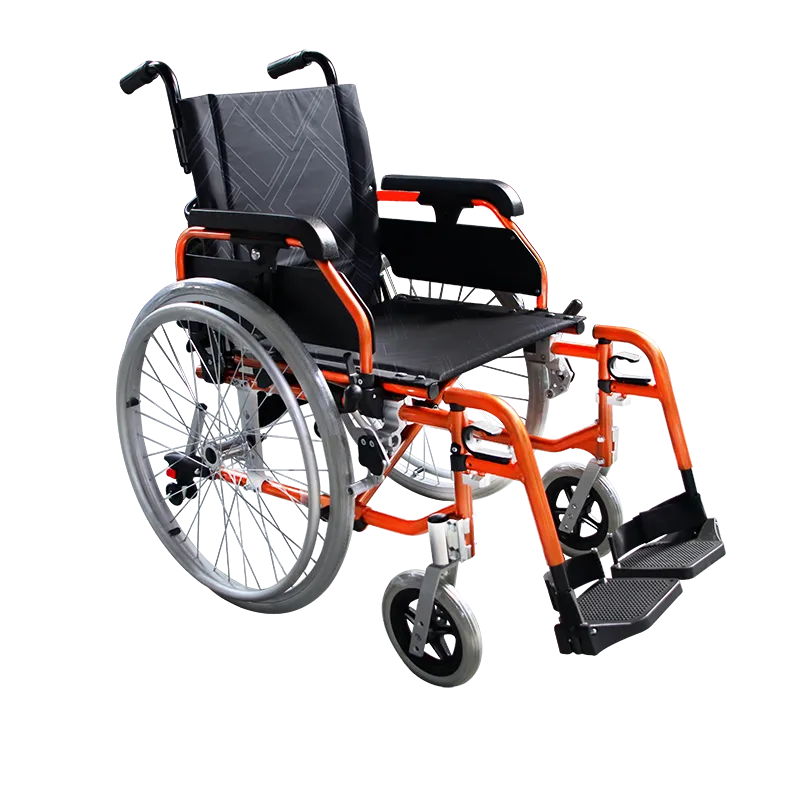
For whom are manual wheelchairs for the disabled suitable?
Determining whether someone needs a manual wheelchair involves looking beyond the simple question of "can they walk?" and focusing instead on whether they can move about safely, consistently, and independently.
Even if a person can walk, they may still require a manual wheelchair in settings such as outdoors, hospitals, shopping malls, or airports if their walking distance is limited, if standing for extended periods causes significant fatigue, or if there is a high risk of falling.
The following groups are common users of manual wheel chairs:
1. Individuals with spinal cord injuries
Spinal cord injury is a classic example of a condition requiring a manual wheelchair. Depending on the location and severity of the injury, users may experience issues such as lower-limb paralysis, sensory impairment, or reduced trunk control.
For some individuals with spinal cord injuries, a manual wheelchair may become their primary long-term means of mobility. If they possess sufficient upper-body strength and hand function, they can propel the chair themselves using the handrims; if upper-body strength is insufficient, they may require assistance from a caregiver or need to consider alternatives such as an electric wheelchair.
Long-term wheelchair users must also pay special attention to sitting posture and pressure distribution. Appropriate seat cushions, backrests, and correct seat dimensions are crucial for reducing localized pressure and enhancing comfort.
2. Patients with stroke sequelae
After a stroke, patients may experience hemiplegia, reduced muscle strength, impaired balance, and motor coordination disorders.
Some patients regain the ability to walk after rehabilitation, though their walking distance and speed may be limited—for instance, they might manage short distances indoors but struggle with prolonged outdoor walking. In such cases, a manual wheel chair serves to supplement walking ability rather than indicating a total inability to walk.
For users with hemiplegia, manual wheel chairs require special attention regarding body support, footrests, and ease of transfer. If a patient exhibits significant leaning to one side, specific configurations for the backrest, seat cushion, and postural supports must be considered.
3. Individuals with cerebral palsy
Motor capabilities vary widely among individuals with cerebral palsy. Some can walk independently, others require assistive devices, and some rely on wheelchairs long-term.
For users with cerebral palsy, a manual wheelchair serves not only for mobility but also helps maintain proper sitting posture. If trunk control is weak, factors such as backrest height, lateral supports, pelvic stability, and foot support must be addressed.
Therefore, when selecting a manual wheelchair, individuals with cerebral palsy should avoid simply purchasing a standard model; instead, the chair should be adapted to their specific physical needs.
4. Individuals with lower-limb amputations
People with unilateral or bilateral lower-limb amputations may use manual wheel chairs during post-operative recovery, the prosthetic fitting process, or for long-distance activities.
Since amputation alters body weight distribution, the wheelchair's center of gravity and stability are crucial. For users with bilateral amputations, particular attention must be paid to the risk of tipping forward or backward.
Consequently, when selecting a wheelchair, amputees should consider not only basic specifications like weight capacity and seat width but also the chair's overall stability and their own ability to transfer in and out of it.
5. Individuals with sequelae of poliomyelitis
Sequelae of poliomyelitis can lead to issues such as lower-limb muscle weakness and atrophy. Some users retain some walking ability but cannot walk long distances, necessitating the use of a manual wheelchair for assistance.
If upper-body strength is good, a manual wheelchair designed for self-propulsion is a suitable choice; if the chair is primarily pushed by family members or caregivers, a lighter, easily foldable model may be preferable. 6. Individuals with conditions such as multiple sclerosis or muscular dystrophy
Certain neuromuscular disorders are characterized by a gradual decline in muscle strength or a tendency toward easy fatigue. Users may not be completely unable to walk, but rather find themselves unable to continue after walking for a certain period.
For these individuals, a manual wheelchair can reduce unnecessary physical exertion—for instance, by allowing them to walk short distances at home while using the wheelchair for shopping trips, medical appointments, or longer outings.
Therefore, using a manual wheelchair does not mean giving up on walking; rather, it serves as a supplementary mode of mobility.
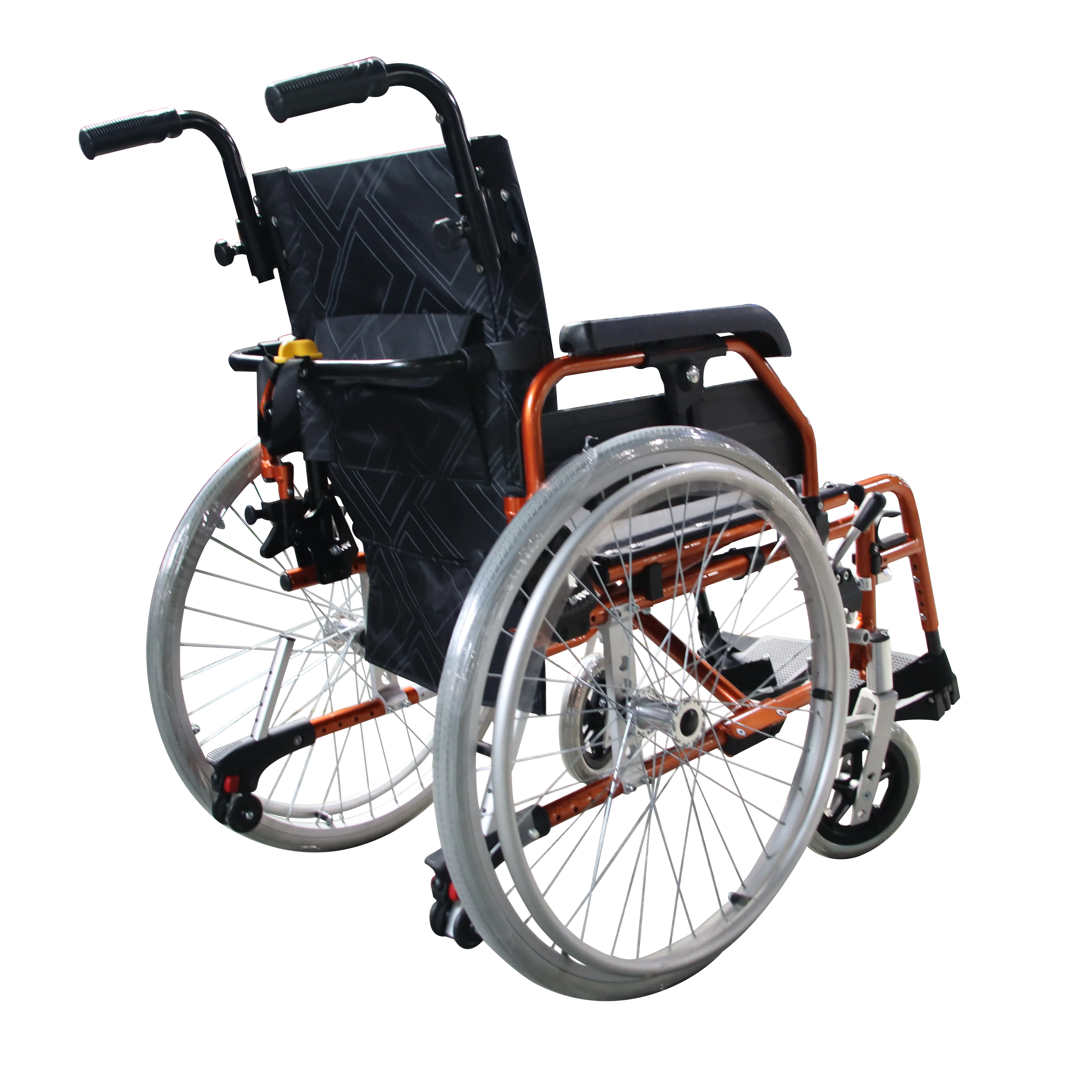
Do people who can still walk actually need a manual wheelchair?
This is a common question for many families when purchasing a manual wheelchair for a person with a disability.
In reality, the decision can be based on a few simple indicators:
First, consider walking distance. If a person can only walk a few dozen to a few hundred meters before needing frequent rests, a wheelchair may offer practical value.
Second, consider the level of fatigue. If walking causes significant fatigue that impacts subsequent daily activities, using a manual wheelchair can help conserve energy.
Third, consider safety. If there are issues such as impaired balance, a high risk of falling, or instability when walking in complex environments, a wheelchair can serve as a safer means of mobility.
Fourth, consider the setting. If one frequently visits large venues like hospitals, shopping malls, airports, or transit stations, a manual wheelchair may be necessary to cover longer distances, even if short-distance walking is still possible.
Thus, "whether one can still walk" is not the sole criterion for choosing a wheelchair; the ability to move safely, effectively, and consistently is a more important factor.
How should one choose between a manual wheelchair and an electric wheelchair?
Manual wheel chairs rely on the user pushing the rear wheel rims or being pushed by a caregiver. They do not require motors or batteries and generally feature a simpler design, offering advantages in terms of weight, transport, and maintenance.
Electric wheelchairs are motor-driven and are better suited for individuals with insufficient upper-body strength to effectively propel a manual wheelchair, or for those who need to travel longer distances independently.
When choosing between the two, the decision should not be based simply on the "degree of disability," but rather on the following factors:
Upper-body strength: Individuals capable of steadily propelling the wheel rims are better candidates for a manual wheelchair.
Daily travel distance: If long distances must be covered daily, one needs to assess whether manual propulsion can meet those needs. Independence: If a user wishes to move around independently, their manual dexterity, body control, and ability to navigate the environment must be assessed.
Usage Environment: Requirements for a wheelchair differ depending on whether it is used indoors on flat surfaces for short distances versus outdoors on slopes or for long distances.
Therefore, there is no simple answer as to whether a manual or electric wheelchair is "better"; the key is whether the chair meets the user's specific functional needs.
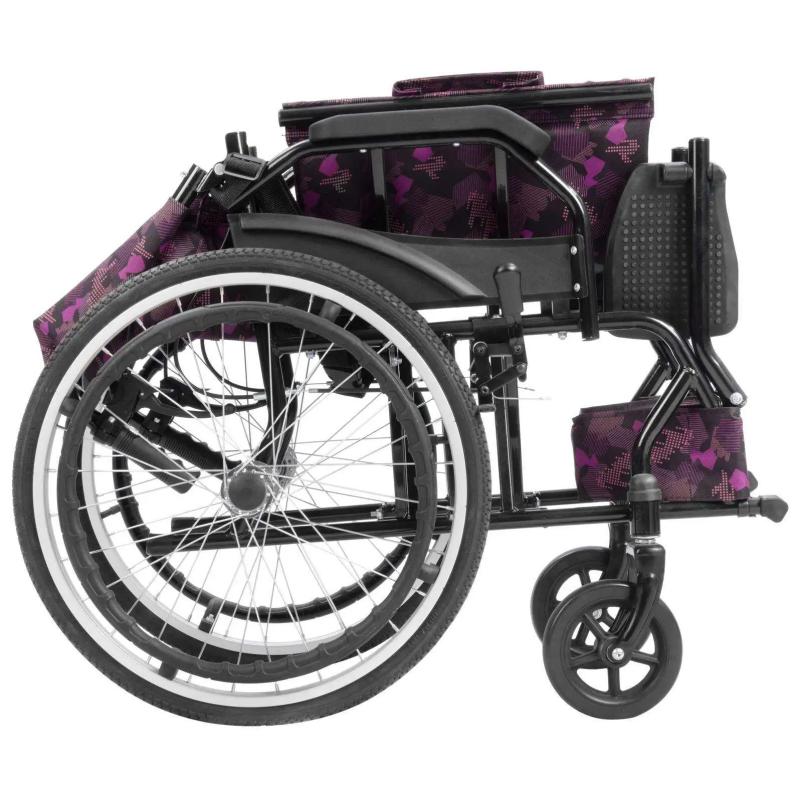
What key specifications should be considered when buying a manual wheelchair?
While many consumers focus primarily on price when choosing a manual wheelchair, factors such as dimensions, weight, load capacity, and safety are often more important for long-term users.
1. Seat Width
Seat width directly affects posture and comfort. Common seat widths for adult manual wheel chairs range from 40 to 50 cm, though specifications vary by product.
A seat that is too narrow can cause uncomfortable compression, while one that is too wide may lead to the body leaning to one side and reduce propulsion efficiency. Therefore, one should not simply assume that "wider is more comfortable."
2. Seat Depth
Seat depth primarily affects thigh support and comfort behind the knees. Excessive depth can cause pressure behind the knees, while insufficient depth fails to provide adequate thigh support.
Long-term users should pay particular attention to ensuring the seat depth is a proper fit.
3. Seat Height
Seat height affects foot positioning, transfer movements, and the efficiency of propelling the wheels by hand. For users who propel the wheelchair themselves, seat height and the position of the drive wheels are particularly important.
4. Total Weight
Traditional steel manual wheel chairs tend to be heavy, whereas lightweight models—such as those made from aluminum alloy—reduce the physical burden of handling the chair.
Total weight is a crucial factor if the user frequently needs to fold the wheelchair to place it in a car trunk or uses public transportation.
However, the idea that "lighter is always better" is incorrect; weight must be balanced against load capacity, structural rigidity, stability, and durability.
5. Load Capacity
A manual wheelchair's rated load capacity must align with the user's weight and actual usage requirements. Adult wheelchairs on the market typically offer weight capacities of 80 kg, 100 kg, 120 kg, 150 kg, or even higher.
It is important to note that the rated load capacity should be based on the manufacturer's technical specifications rather than just the chair's appearance. 6. Brakes, Footrests, and Rear Wheels
The braking system is directly linked to safety, while footrests affect leg support and the ease of transferring in and out of the chair. Rear wheel size influences propulsion efficiency and the ability to navigate obstacles.
If the wheelchair is primarily pushed by a caregiver, priorities should include stability during transport and ease of folding; if the user needs to propel themselves, greater emphasis should be placed on drive wheel positioning, the chair's weight, and the overall structural design.
A Core Pain Point in the Manual Wheelchair Industry: Abundant Products, Poor Fit
While the market offers a vast array of manual wheel chairs—ranging from standard folding models and lightweight versions to high-end active-use chairs—a significant issue remains: consumers often purchase a wheelchair that is merely "functional" rather than one that is truly "right for them."
For instance, some families assume a wider seat equals greater comfort, resulting in an oversized chair that leaves the user unstable; others focus solely on weight capacity while ignoring the chair's own weight, making it impossible for the user to propel themselves; still others prioritize price, overlooking long-term considerations such as the seat cushion, backrest, brakes, and maintenance needs.
Another common issue is overlooking the intended usage environment.
A manual wheelchair designed for indoor hospital use has different requirements than one intended for daily outdoor travel. Indoor environments prioritize maneuverability and tight turning, whereas outdoor use requires balancing factors like tire type, caster wheels, stability, and the ability to navigate uneven terrain.
Therefore, purchasing a manual wheelchair involves more than just selecting a product; it requires ensuring a proper fit between the user and the equipment.
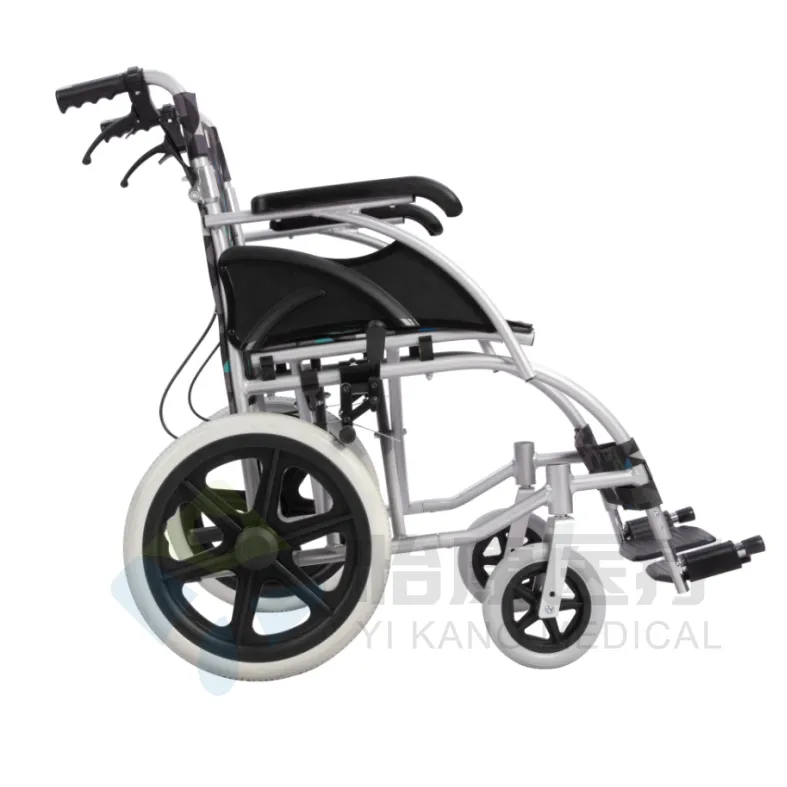
FAQ: Common Questions About Manual Wheelchairs
Q1: Are manual wheelchairs only for people who cannot walk at all?
No. If walking ability is insufficient to safely and consistently meet the demands of daily life, a manual wheelchair may be necessary as an aid, even if the user can still walk short distances.
Q2: Are manual wheel chairs suitable for stroke patients?
Yes, though suitability depends on an assessment of hemiplegia severity, balance, upper-body strength, and transfer ability. Some stroke patients use manual wheel chairs primarily for outdoor activities or covering longer distances.
Q3: Can a manual wheelchair be used after a lower-limb amputation?
Yes. Manual wheel chairs serve as vital mobility aids, particularly during postoperative recovery, the prosthetic fitting process, and long-distance activities.
Q4: Is a wider seat better for a manual wheelchair?
No. An excessively wide seat can compromise seating stability and propulsion efficiency. The seat width should be selected based on the user's hip width, body type, and sitting posture.
Q5: Is a lighter manual wheelchair better?
Not necessarily. While a lightweight design facilitates transport, factors such as load-bearing capacity, stability, structural strength, and durability must also be considered.