
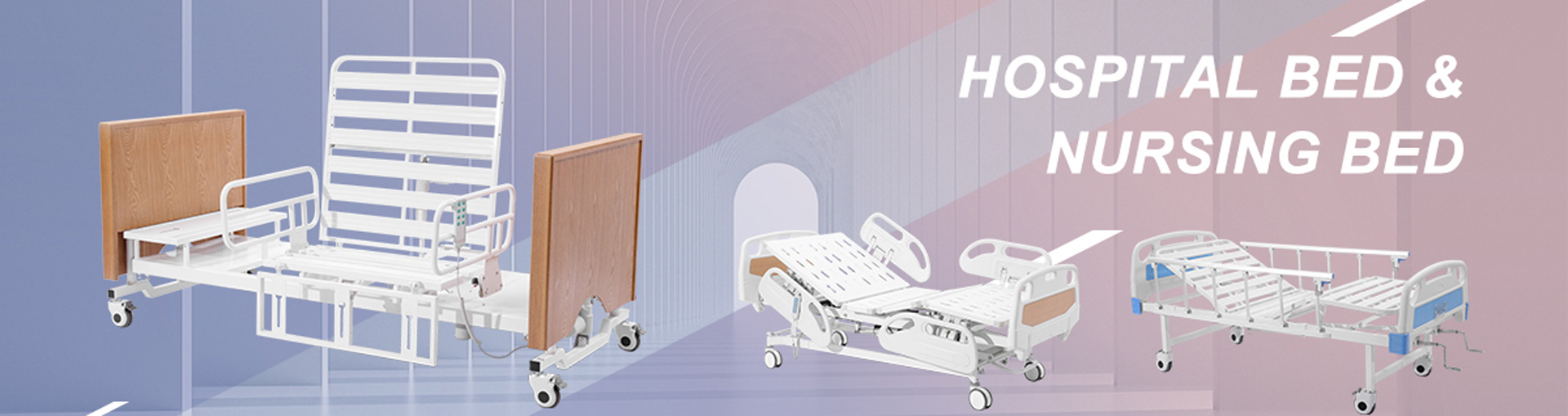
With the population aging and the demand for care of Chronic diseases, post surgical rehab, and the care of a long hospitalized person increase so is the need for a hospital bed. The hospital beds which originally were only used for resting, have now, due to these new demands, changed into major medical equipment that apart from offering the basic bed function combines also: nursing aid, patient positioning support, safety protection, and rehabilitation support.
Electric adjustable hospital beds which have many functions like backrest & leg-rest adjustment, overall bed height adjustment, etc., are being used more widely in hospitals, elderly care homes, rehabilitation centers, and home care setups.
However, with the growing use of adjustable hospital beds, a practical problem has come up: the richer the functions and complicated the structure of the bed, the higher the risk that breakdowns or malfunctions occur through regular wearing-out of parts. Healthcare providers, either on a large scale or at home level, are frequently coming across such problems as: The bed refuses to go up or down; the remote fails; a motor runs very slowly; the bed frame is a bit shaky; the bed backrest can’t adjust normally; and even the leg-rest mechanisms are stuck up. The issues may result into patient discomfort and at most, it might put caregivers under increased pressure and cause the loss of a patient during a medical care situation.
In practice, many repairs point out that issues in adjustable medical beds have little or no relation to the design, i.e., the malfunctions are usually not resulting from inherent product defects, but in fact are due to maintenance problems, incorrect operation, environmental factors or natural wear and tear over time.
For example, electric beds placed in a high humidity environment could lead to moisture damage of the control system; subjecting bed frames to loads beyond their capacity could distort the mechanical shape; and repeated overloading of the motors would result in a shortening of the life expectancy of the equipment.
Therefore, hospitals, elderly homes, home users, etc., should know the typical ways, root causes, and how to correctly troubleshoot the issues.
High-grade manufacturers of medical beds are using such innovative techniques to make their product dependable as high-grade metallic beds, motors which are stable, safety control modules and modular designs that facilitate the repair work of such pieces of equipment.
Even with excellent raw materials and advanced production methods, every machine/electronic device needs correct servicing once it is in constant utilization.
What are the essential parts of the structure of an adjustable hospital bed?
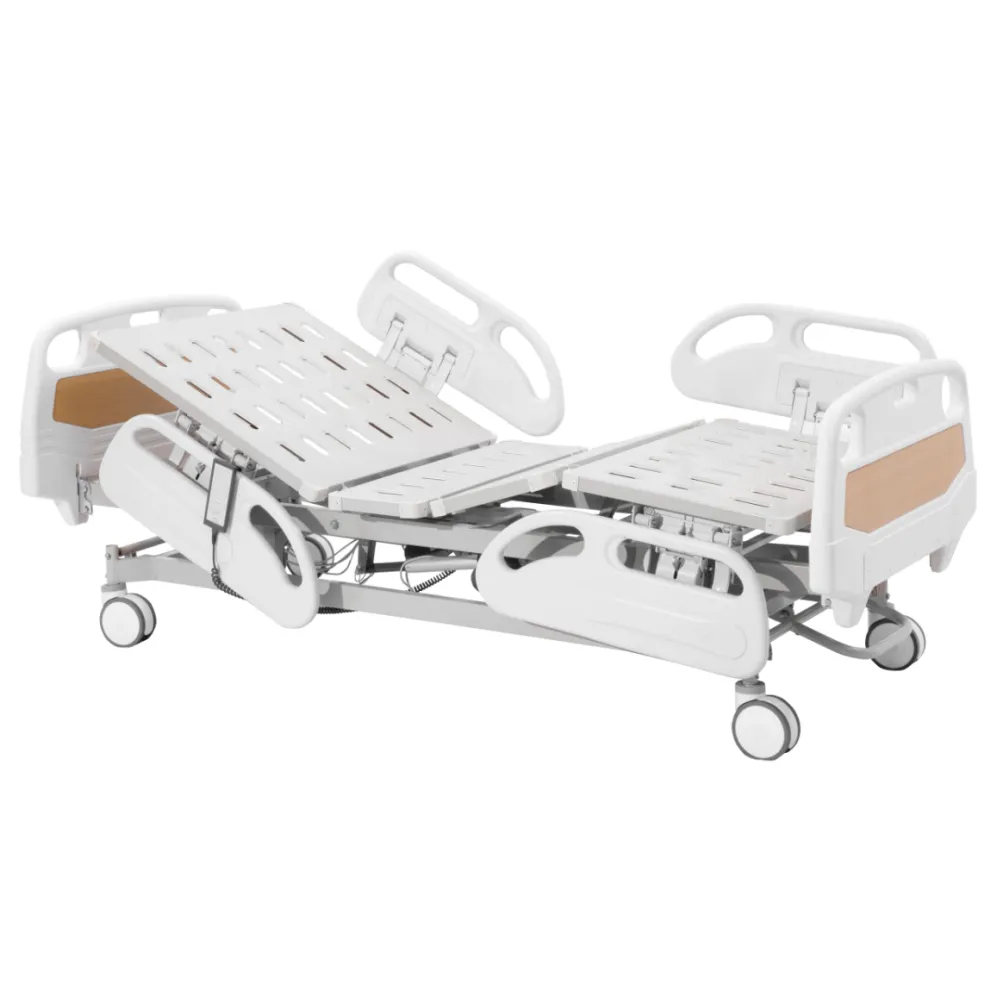
To go further, I think it is the first thing you should do that is to figure out the main components of an adjustable hospital bed. Although the specific range of functions will vary between the models of these hospital beds, most of them will contain essentially the same four sets of components: mechanical structural system, power drive system, control systems and safety subsystem.
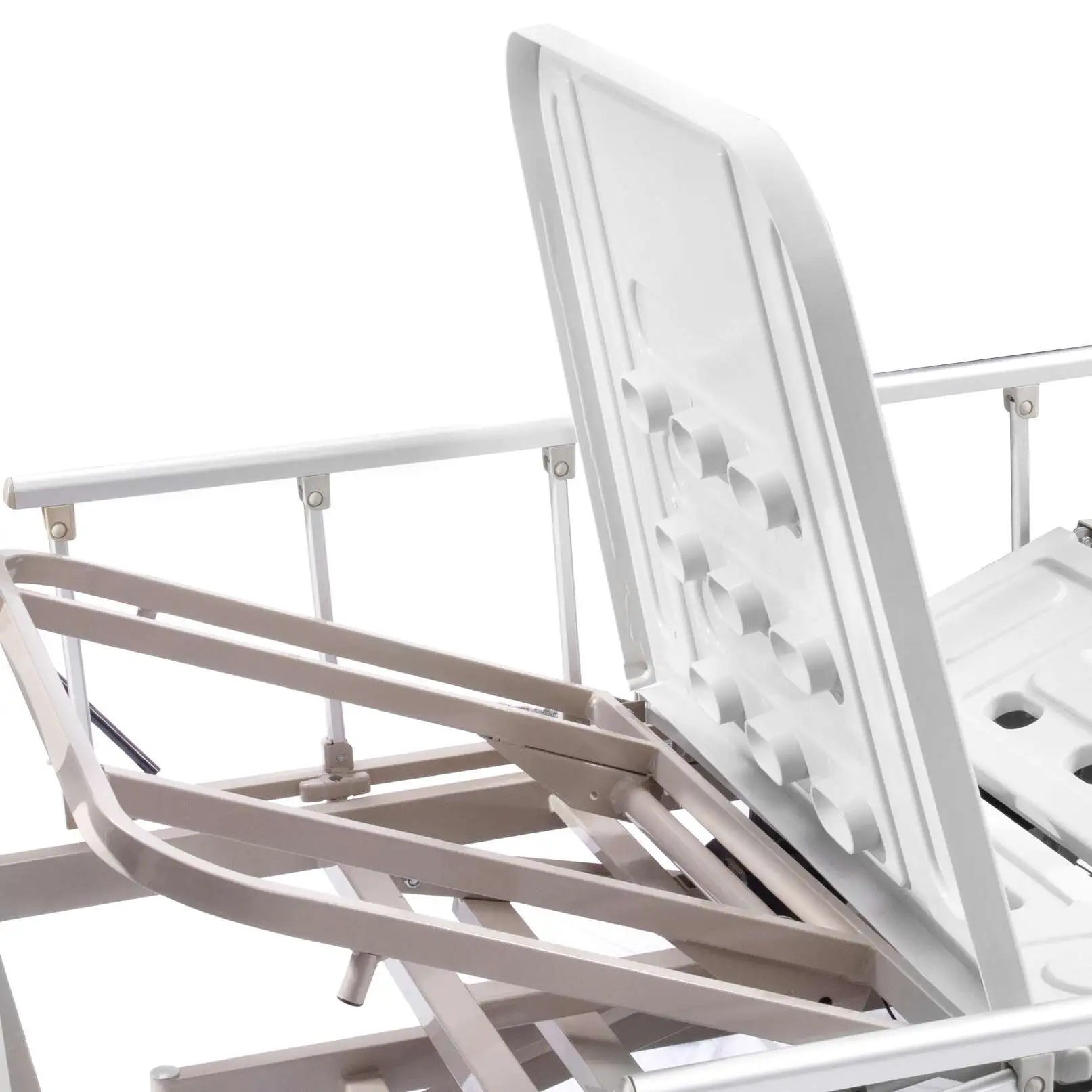
In the mechanical structural system we have mainly the frame of the bed, the mattress area of the bed surface, backrest & leg rest, side rail, lifting supports, etc. These components are responsible for carrying the patient's weight and making the change in the position of the bed, from a mechanical point of view.
Power drive system is the main part responsible for the adjustment features that are automatic. Basically, the power drive system comprises of motors, electric linear actuators, transmissions and link components. Depending on how the bed is set up, it can have two, three, or four different motors. So, for example, beds with two motors are usually designed for back or leg functions only, beds with three motors additionally support raising and lowering the bed height, and a four-motor design may allow you to adjust nearly every aspect of the bed for a patient, e.g., head, back, legs, foot of the bed, etc., even in small increments.
Control systems basically mean a handheld controller, the main box of controls, a power supply unit, and all the wires. Patients or nurses can send orders to change something via a remote, and then the motors will run accordingly thanks to the control system.
The safety systems are additional, non-essential parts of the bed but they can be very helpful in reducing the chances of accidents and increasing the patient comfort and well-being. These safety features include, but are not limited to, side rails, mechanisms preventing patients from getting pressed and squeezed, stop buttons in case an emergency, and a backup power supply for the system.
Since adjustable medical beds are a combination of mechanical, electrical, and electronic systems, malfunction varieties will be high, and it would probably take more time to fix it depending on the actual problem. For instance, if the remote control doesn't work at all, then a quick diagnosis could help figure out if the problem is in the circuit board, the batteries, or maybe the remote itself. Therefore, if a customer has experienced malfunction with their bed and they can't see what is a matter of the bed themselves, it is strongly recommended that they bring the malfunction description and a record of the usage history to a repair professional for better diagnosis.
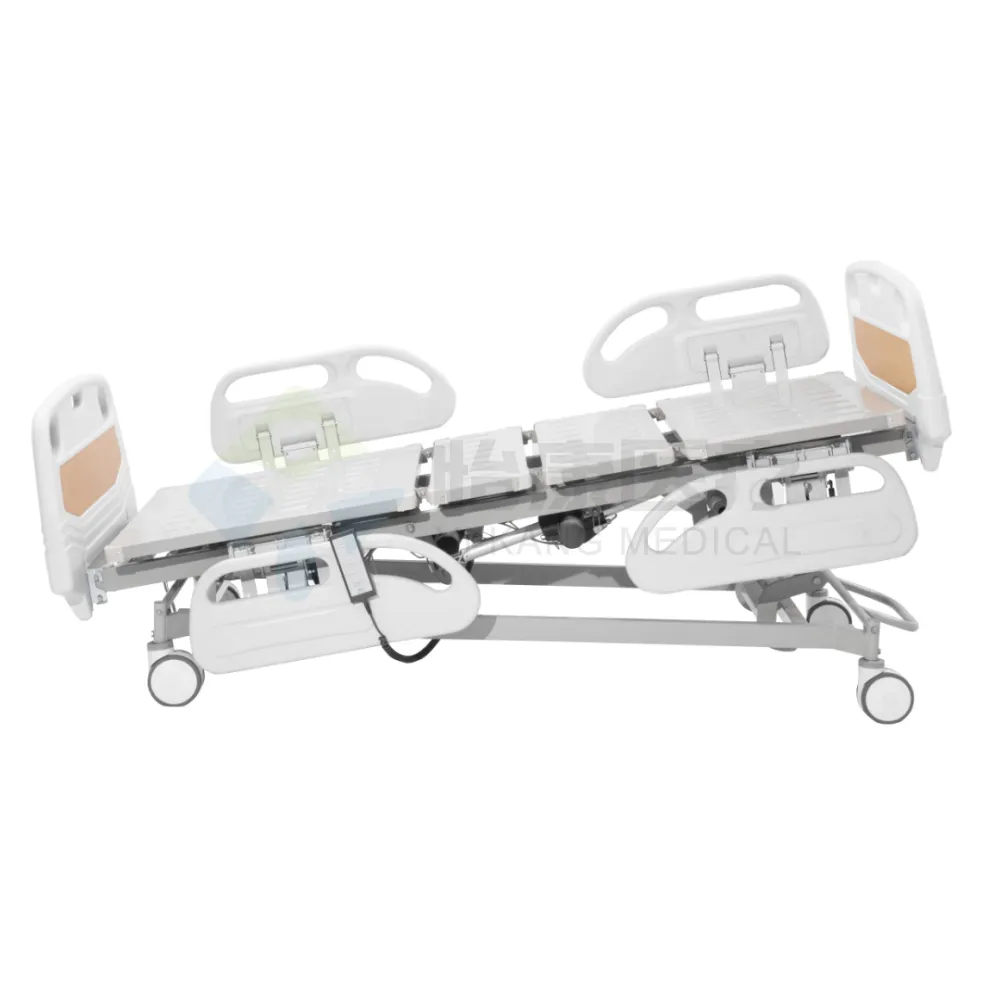
Failure to raise or lower is one of the most common malfunctions in adjustable hospital beds
Among all reported issues with adjustable hospital beds, the inability to raise or lower the bed is a frequent complaint, particularly with electric models.
If the bed fails to respond at all when the lift button is pressed, the first step is to verify the power supply. Sometimes, the issue is not an internal bed malfunction but rather a loose power plug, a turned-off power switch, or a faulty wiring connection.
If the power supply is functioning correctly but the bed still cannot be raised or lowered, the problem may lie with the controller, the motor, or the control box.
A damaged controller is a common cause. Since the handheld controller is used frequently, repeated pressing of buttons can lead to internal wear or poor electrical contact. A standard diagnostic method is to test whether other function buttons work. If none of the functions work, the controller and the main control module should be inspected.
Motor failure is another major cause of adjustable hospital beds failing to raise or lower. After prolonged use, internal gear wear, capacitor aging, or circuit damage can prevent the actuator (push rod) from moving.
Additionally, subjecting the bed to weights exceeding its design capacity for extended periods can place excessive stress on the lifting mechanism, hindering the motor's ability to operate correctly.
Most adjustable hospital beds have a weight capacity ranging from approximately 150 kg to 250 kg, though this varies by model. Consistently exceeding the rated weight capacity significantly increases the risk of lifting system failure.
Why are the symptoms of motor problems in electric hospital beds important to recognize?
One could say that the actuator is the powerhouse behind an adjustable medical bed and that besides that it is also among the parts of the device most subject to breakdowns.
The symptoms that indicate motor problems in electric hospital beds can be the following:
At the top of the list, there will often be the noticeable change of the noise pattern of the motor. Usually modern adjustable hospital beds are designed with low-noise motors and are, therefore, quite silent when in operation. Unusual, distinctive noises might be a symptom of internal gear wear or a lack of lubrication in the transmission mechanism.
Coming down the list, the slowing down of the motor. In case your bed is taking longer to get to a particular position, your problem could be with aging of the motor, insufficient voltage, or an increase in mechanical resistance.
Next, there is when the motor works but the bed movement does not happen. This malfunction has quite a lot to do with a faulty actuator, separated connecting parts, or abnormalities in the transmission system.
Last of the series is a sudden stopping of the motor while the bed is still moving. The best adjustable medical beds have an overload protection feature; hence, if it detects that the load is more than the safe limit, the system shuts off automatically for safety reasons.
In the case of motor breakdown or degradation of performance, one should not attempt to fix or take apart the motor oneself. Due to the complicated nature of the inner parts, only a qualified technician can inspect it. Upon noticing a worsening of motor performance, a replacement from the manufacturer, in conformity with original specifications, needs to be immediately ordered.
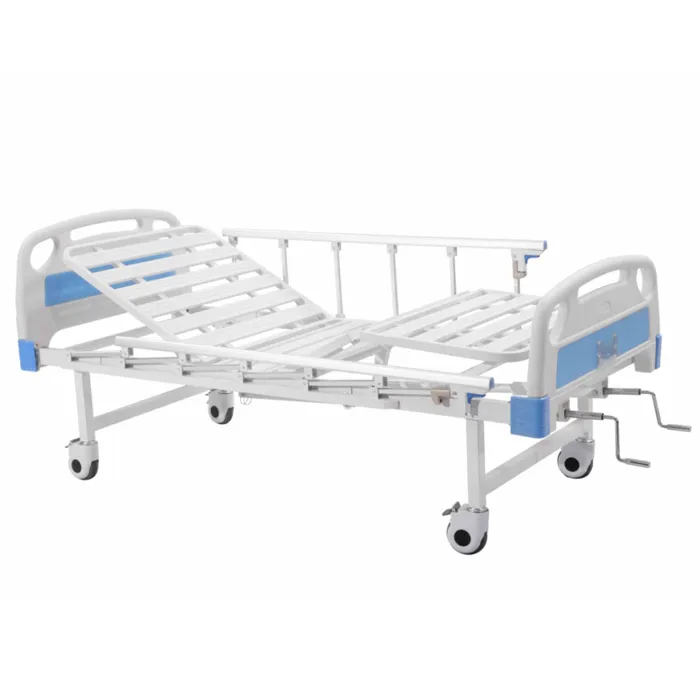
What can be done about a nonfunctional remote control for an adjustable medical bed?
The handheld remote is the means by which an adjustable medical bed is operated and, therefore, it is quite natural that it is a vulnerable component of the system.
Among the common causes of malfunction are the buttons not working, the lack of a particular feature, and the controller lagging.
First of all, determine whether the connector cable of the remote control is not plugged in completely. Due to the frequent changing of location from one place to the next of both beds at a hospital and also of household beds, such a pulling of cables may be a culprit of the cable’s connector getting loose.
Second, check out whether the controller is set to “lock” mode. In fact, some models feature a control “lock” button that is meant to disable the controls temporarily to protect the patients or, to speak the manufacturer's language, "the user". After unlocking it, in most instances, the bed will respond immediately. However, if after trying different connector types, e.g. from wireless to a cable or vice versa, the problem remains unresolved, the electronics inside the handheld controller might have been damaged and therefore a new controller must be bought.
To make equipment more dependable, some leading manufacturers use waterproof and anti-malfunction hand controls especially suited to long-term care settings.
What is the way to address the situation when either the backrest or the leg-rest of an adjustable medical bed does not work properly?
A hospital patient's comfort is greatly enhanced when there is a facility to adjust the angle or position of the backrest or leg rest. For this reason they rank among the most commonly used features in an adjustable medical bed.
Some examples of the kind of problems that may be found are: the backrest not raising at all, the backrest raising only part of the way, the leg rest becoming jammed (stuck) and the adjustment angles changing in a strange way (not to mention other possibilities as well).
The above-mentioned breakdowns are mainly due to a wearing of the mechanical linkage parts, an electric actuator breakdown, bed frame distortion, or blockage by foreign matter.
Let us, for instance, take some foreign mattress size problems or the fact of applying the bed to only one side for a period of time, which may cause some extra resistance to the bed parts' movement, hampering adjustment.
Users at times may put various items such as nursing materials, bedding, or other things in the moving area of the bed; these items may get stuck in between the mechanical linkage points, thus blocking off movement.
Hence, during the bed use the cleaning up of the moving areas and also the regular inspection of the linkage mechanism components are necessary.
Why does an adjustable medical bed get loose, or start to wobble, especially in the frame?
Mechanical structural faults are typical among adjustable medical beds, in addition to electrical ones.
Frame mounting parts can become loose over time as the result of repeated movements and adjustments. Beds in nursing homes and hospitals, which are high turnover areas, are most prone to this since these beds are constantly moved and adjusted which leads to continuous vibrations that eventually affect the mechanical linkage connections.
A wobbling bed indicates the need for a proper fix which involves a regular checking of the following:
Whether the frame connection bolts have come loose;
Whether the caster mounting structure has been destroyed;
Whether the lifting/holding support mechanism has become distorted;
Whether the points of contact of the bed's upper surface show signs of wear or damage.
Premium adjustable hospital beds are usually fitted with a solid steel frame and undergo load-bearing tests so the bed's stability will be secured even after prolonged use.
Common Faults with Adjustable Hospital Bed Wheels and Braking Systems
Many users overlook the caster system, yet casters are crucial components affecting bed safety.
Common issues include difficulty in wheel rotation, brake failure, and unstable movement direction. In a hospital setting, adjustable medical beds require frequent movement, subjecting their casters to significant, sustained pressure. The accumulation of dust, hair, or debris in the wheel axles can impede smooth rotation.
Braking system malfunctions can compromise patient safety; for instance, a bed that cannot be fully immobilized when parked poses a risk of unintended movement.
Therefore, it is advisable to regularly inspect the condition of the casters and keep the wheel assemblies clean. Professional-grade hospital beds typically utilize swivel casters with independent braking functions to enhance stability.
How can malfunctions in adjustable medical beds be better avoided?
Planned maintenance is more important than simply waiting a problem to occur before making fixes.
Initially, follow the user manual precisely during bed usage and avoid lifting or lowering of the bed unnecessarily and beyond the weight limit stated.
Next, it's important to do regular checks of the electrical system. Power cables, connections of controller, and the motor's working are the examples of items that need to be tested every month, if a problem is discovered it shouldn't be left but addressed immediately.
In case of mechanical system it's also good to keep them in prime shape, regular servicing of joints and connection points in line with the manufacturer's instructions.
Also, it's good practice for the maintenance and operation records to be maintained at hospital facilities and care centers, they help track the amount of use, repair history and part swapping, thus potential problems can be spotted on the early stage of.
Dwellers at home should also be careful to find manufacturers providing a wide range of services after-sales and professional maintenance support is necessary in the context of regular life for medical devices.
What are the steps someone has to take to purchase the adjustable medical bed having a small number of malfunctions?
Before deciding on the buy of an adjustable medical bed it's a good idea to have a look into the product design, quality of manufacturing and after-sales capabilities, apart from price.
First of all, motor quality shouldn't be overlooked because the motor has great influence on the accuracy of the movements of the bed. High-class motors tend to last more and work silently than their low-class counterparts.
In terms of bed frame structure, look for manufacturers using high-strength steel, having proper welding techniques and providing a very stable support structure that will reduce the risk of deformation even after extended use.
In the same fashion, the design of the control system shall be evaluated and a user-friendly yet dependable control system will normally be more suited for long-term care setups where complex features will go unrewarded or unstable.
Most significantly, the background of the manufacturer is very important. Medical equipment manufacturers that focus on their specialty usually are equipped with well-defined production, quality control and after-sale service procedures, and these factors are all good in making the use of medical devices for a long period safer.
Common FAQs: Issues Regarding Adjustable Hospital Bed Malfunctions
FAQ 1: What should I do if the adjustable hospital bed suddenly stops lifting or lowering?
First, check the power supply, wiring, and controller connections. If the power supply is normal but the bed still fails to operate, there may be a fault with the motor or control module, requiring inspection by a professional.
FAQ 2: Is it normal for the motor of an adjustable hospital bed to make a loud noise?
A slight operating sound is normal; however, if there are distinct abnormal noises, stuttering, or a drop in speed, the motor or mechanical structure usually requires inspection.
FAQ 3: How often does an adjustable hospital bed require maintenance?
Regular inspections are generally recommended. Hospitals and nursing homes, due to high usage frequency, may conduct basic checks monthly; for home use, inspections can be performed every 3 to 6 months depending on the situation.
FAQ 4: Why does the lifting/lowering speed of an adjustable medical bed slow down after a few years of use?
This may be due to motor aging, increased mechanical resistance, power supply issues, or prolonged overloading; the specific cause needs to be determined based on the situation.
FAQ 5: How can the service life of an adjustable medical bed be extended?
Properly managing the load, avoiding improper operation, regularly inspecting the electrical system and mechanical structure, and choosing products from reliable manufacturers can all effectively extend the equipment's lifespan.