
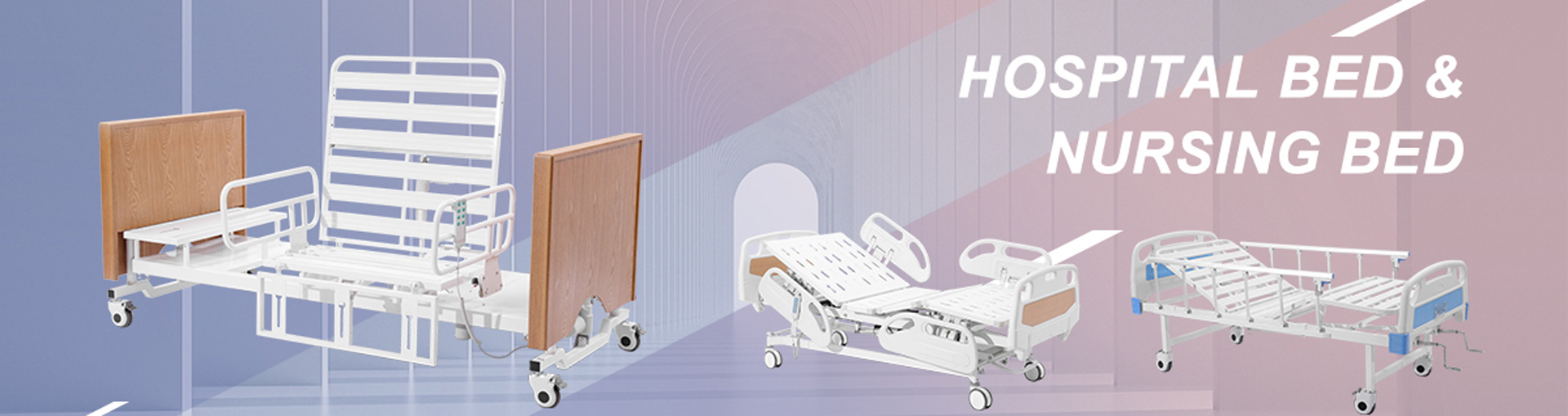
With the aging population and the growing demand for rehabilitation and nursing care, wheelchairs have become essential assistive devices for hospital transport, home care, and daily mobility. Among the various options, transit wheelchairs and self-propelled wheelchairs are two common types of manual wheelchairs.
Transit wheelchairs are primarily designed to be pushed by a family member or caregiver, making them well-suited for hospital transport, airport transfers, and short-distance outings. Self-propelled wheelchairs, by contrast, are typically equipped with larger rear wheels and handrims, allowing users to propel the chair themselves by gripping and pushing the handrims.
While both serve similar functions, they differ significantly in terms of wheel structure, propulsion method, weight, maneuverability, and intended use. Choosing the wrong type can lead to mobility difficulties for the user, increased physical strain on the caregiver, and even potential safety risks.
This article analyzes the differences between transit wheelchairs and self-propelled wheelchairs—covering product design, technical specifications, target users, and key purchasing considerations—to help consumers, healthcare institutions, and procurement professionals select the most appropriate equipment.
What Are Transit Wheelchairs and Self-Propelled Wheelchairs?
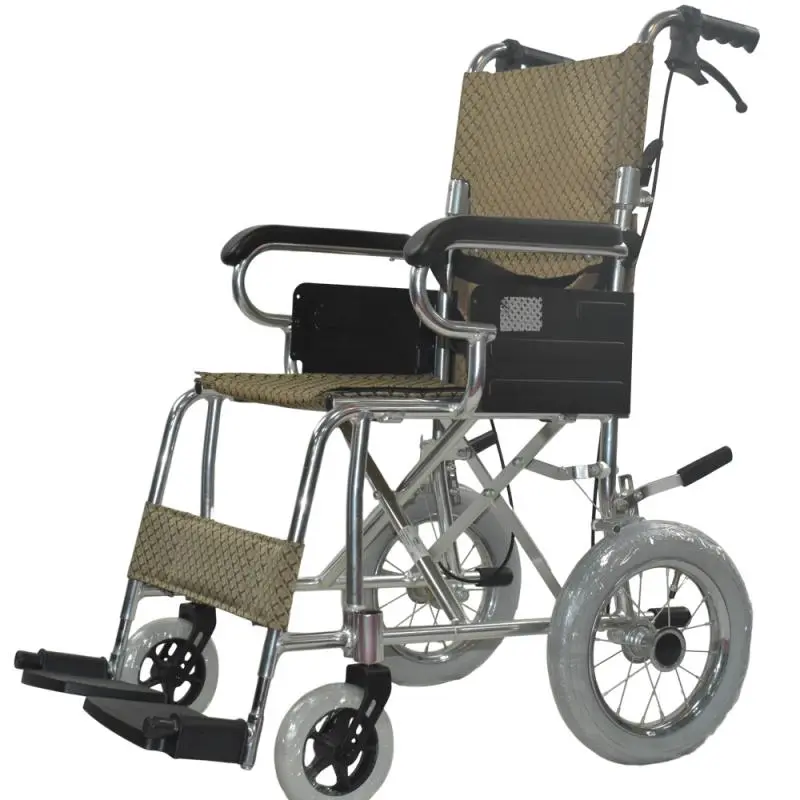
1. Transit Wheelchairs
Transit wheelchairs—also known as attendant-propelled or caregiver-assisted wheelchairs—are characterized by smaller rear wheels. They typically lack the large handrims found on self-propelled models, meaning they must be pushed by an attendant.
These wheelchairs generally feature a compact, foldable frame and are equipped with push handles, footrests, and parking brakes. Some models may also include features such as attendant-operated brakes, flip-back armrests, and detachable footrests.
The primary advantages of transit wheelchairs are their ease of transport, folding, and storage. They are ideal for hospital transfers, short trips, airport assistance, and for users who require help from others to move around. However, because they lack the large handrims found on standard self-propelled models, users are generally unable to propel the chair independently.
2. Self-Propelled Wheelchairs
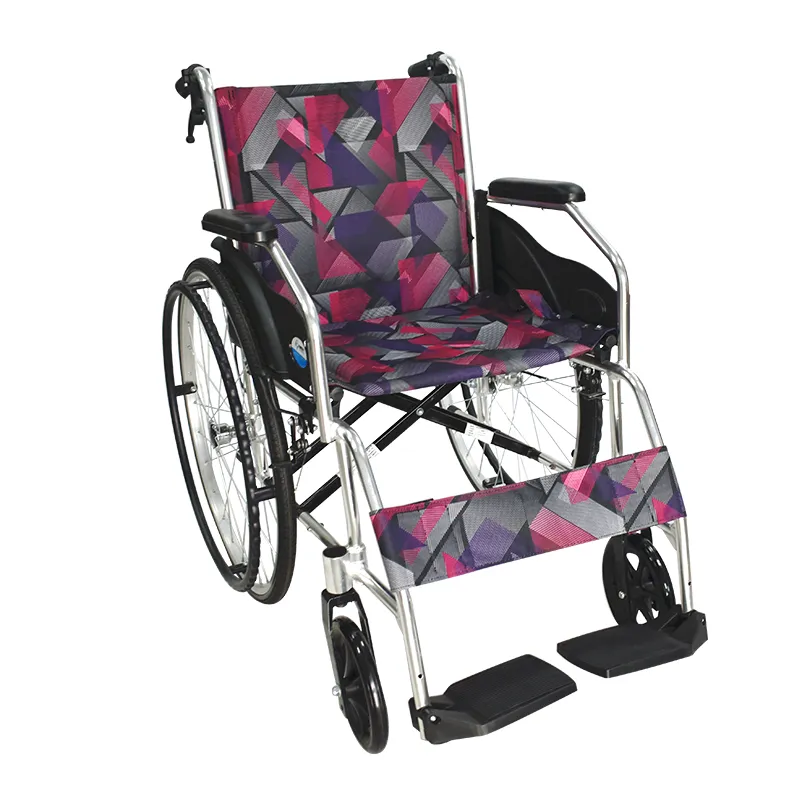
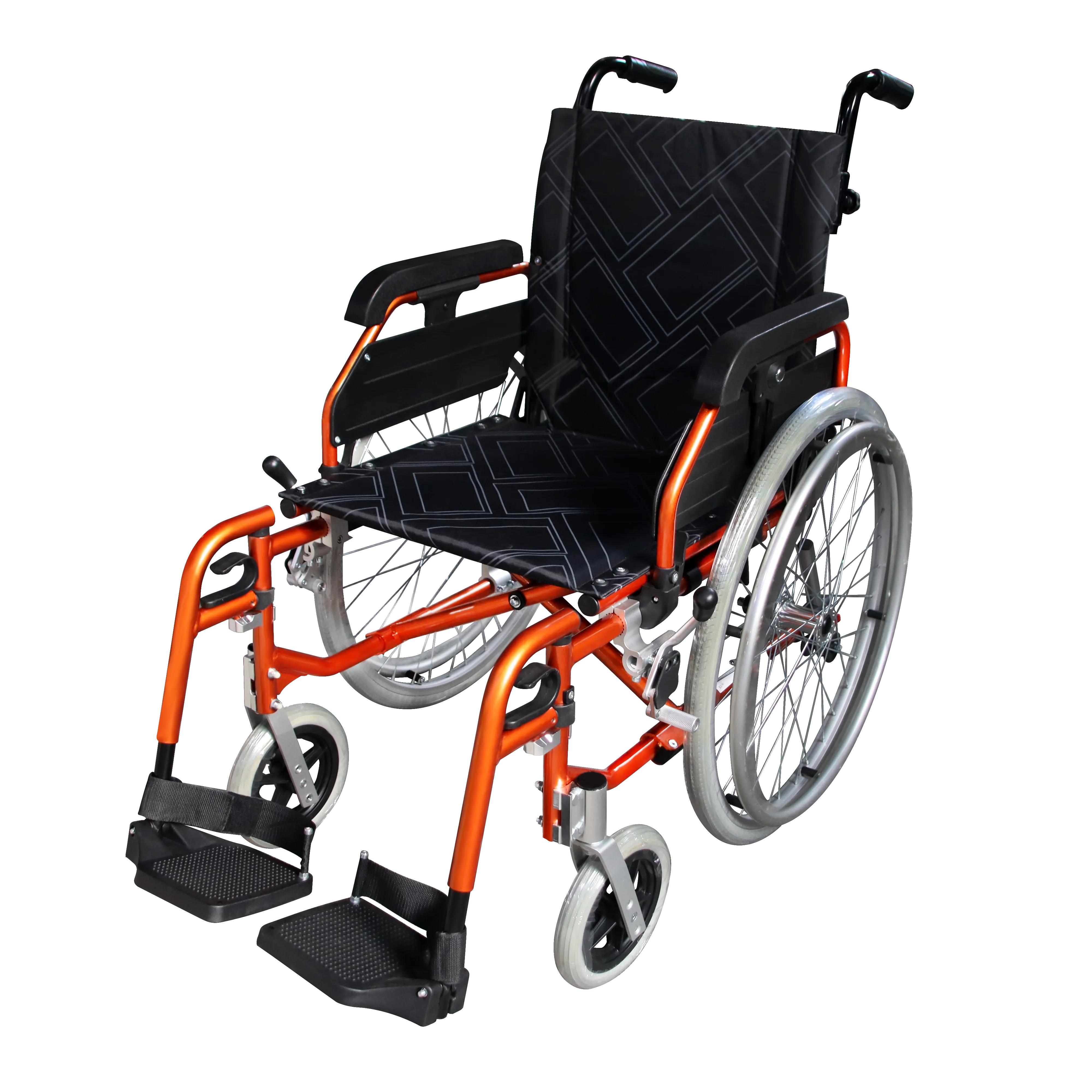
Self-Propelled wheelchairs are typically equipped with large rear wheels featuring "hand rims." Users can propel, steer, and slow down the wheelchair by pushing these hand rims with their hands.
These wheelchairs are widely used in daily home life, rehabilitation training, workplaces, and for getting around in the community. Their primary advantage is that they enhance the user's independent mobility, reducing the need for constant assistance from family members or caregivers.
However, using a self-propelled wheelchair requires a certain level of upper-body strength, joint mobility, and coordination. If a user is unable to control the wheelchair safely, they will still require assistance from a caregiver.
Transport Wheelchairs vs. Self-Propelled Wheelchairs: Key Differences
The primary distinction between these two types of wheelchairs lies in their propulsion method and rear-wheel design—structural differences that, in turn, affect portability, maneuverability, and intended use.
| Comparison | Transit Wheelchair | Self-Propelled Wheelchair |
| Propulsion | Pushed by an attendant | User or attendant |
| Rear wheel diameter | Typically 8–12 inches | Typically 22–24 inches |
| Hand rims | Usually absent | Usually included |
| Typical weight | Approximately 7–12 kg | Approximately 12–20 kg |
| Portability | Usually compact and easy to carry | Depends on frame and wheel design |
| User independence | Limited | Greater for capable users |
| Common applications | Hospital transfers and short trips | Home use and community mobility |
| Main advantage | Convenient attendant operation | Independent movement |
| Main limitation | Requires assistance | Requires adequate upper-body function |
Note: These are indicative market ranges, not universal specifications. Actual dimensions, weights, and load capacities vary by model.
1. Propulsion Method and Independence
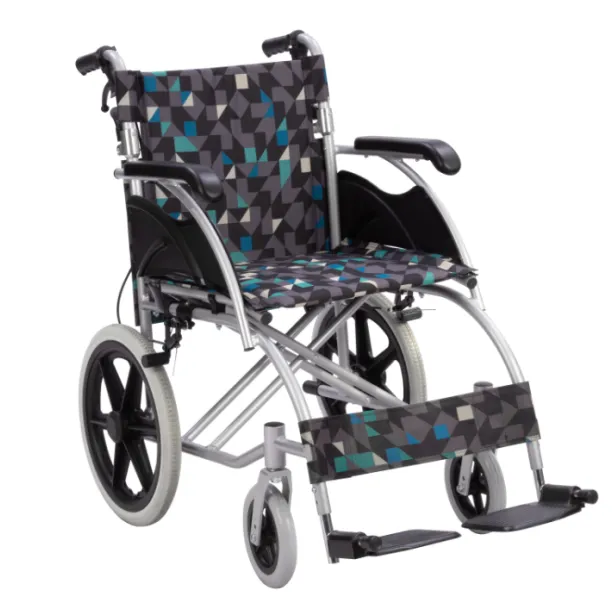
Transport wheelchairs are primarily designed to be pushed by a caregiver. They are suitable for users who cannot operate a wheelchair independently or who only require transport over short distances—for example, an elderly person traveling to a hospital for a check-up, or a patient moving within a medical facility.
Self-Propelled wheelchairs are designed for individuals who possess the necessary upper-body strength and wish to carry out daily activities autonomously. Users can navigate independently within their homes—moving between the bedroom, dining table, or restroom—and can also move around independently in suitable outdoor environments.
It should be noted that self-propelled wheelchairs are not suitable for everyone. Individuals with insufficient upper-body strength, limited shoulder mobility, or poor trunk stability should undergo a functional assessment; in such cases, power-assisted devices or electric wheelchairs may be more appropriate.
2. Rear-Wheel Size and Maneuverability
Transport wheelchairs typically feature smaller rear wheels, which helps reduce the overall size of the chair, making it easier to fold and transport. In contrast, self-propelled wheelchairs generally utilize large, 22–24-inch rear wheels, which provide the necessary space for mounting hand rims. Larger rear wheels are easier for users to grip via the handrims and help navigate minor ground obstacles. However, a larger wheel diameter does not guarantee that a wheelchair can safely traverse every threshold, ramp, or uneven surface.
Transport wheelchairs are generally more compact, making them well-suited for narrow spaces; however, their smaller rear wheels may struggle on rough terrain. Therefore, when selecting a wheelchair, one should also consider tire material, front-caster design, ground clearance, and the specific environment in which it will be used.
3. Product Weight and Portability
Transport wheelchairs typically feature a compact design, making it easier for caregivers to load them into vehicles or store them. Self-propelled wheelchairs, equipped with larger rear wheels and handrims, may be heavier.
Common transport wheelchairs weigh approximately 7–12 kg, while standard self-propelled models typically weigh between 12–20 kg—though actual weight varies based on frame material, seat width, and added accessories. Models with aluminum frames or quick-release rear wheels can be easier to handle.
For families who frequently need to transport a wheelchair in a car trunk, it is important to evaluate the total weight, folded dimensions, and the weight of any detachable components, rather than relying solely on the product’s name or category.
4. Seat Width and Navigable Space
The seat width of a wheelchair directly affects both user comfort and maneuverability. Common seat widths include 16, 18, and 20 inches (approximately 40.6 cm, 45.7 cm, and 50.8 cm, respectively).
A seat that is too narrow may cause compression or friction, while one that is too wide may provide inadequate body support and make it difficult for the user to reach the handrims. Consequently, the appropriate seat width should be chosen based on the user’s hip width, preferred sitting posture, and the thickness of the clothing they typically wear.
Furthermore, seat width is not the same as the total width of the wheelchair. The large rear wheels and handrims on self-propelled models can increase the overall footprint. Before making a purchase, measure the doorways in your home, bathroom entrances, elevator doors, and other frequently used passageways to ensure the wheelchair can pass through them easily.
5. Braking Systems and Safety
Transport wheelchairs typically require braking mechanisms that are easy for a caregiver to operate; some models feature attendant-operated brakes located on the push handles. Self-propelled wheelchairs, by contrast, are generally equipped with parking brakes that the user can operate.
Parking brakes are primarily used to lock the wheels when the chair is stationary, while attendant-operated brakes allow the person pushing the chair to control its speed while in motion. These two types of brakes are not fully interchangeable.
When purchasing a wheelchair, ensure that the brakes, footrests, armrests, and folding/locking mechanisms are reliable. Individuals who frequently use a wheelchair on inclines should receive proper operational training to prevent accidents caused by improper braking.
Choosing the Right Wheelchair for Different Scenarios
The selection of a wheelchair should be based on the user’s physical capabilities, the distances they intend to travel, and the level of care available, rather than solely on price or weight.
1. Home Care and Short-Distance Outings
For users who are primarily accompanied by family members—such as when visiting hospitals, shopping malls, or nearby public spaces—a transport wheelchair is usually the most practical choice. Its compact design makes it easy to fold and load into a vehicle, while also reducing the physical burden on the caregiver.
However, if a user spends long periods in a wheelchair each day, careful attention should be paid to the seat cushion, backrest, seat depth, and overall body support. A lightweight design does not necessarily equate to suitability for long-term use; comfort and proper postural support are equally critical.
2. Daily Life at Home and Independent Mobility
For individuals with sufficient upper-body strength who wish to carry out daily activities independently, a self-propelled wheelchair is generally more appropriate. It enhances the user’s autonomy and reduces their ongoing reliance on others.
For those who frequently navigate their local community, it is important to consider factors such as road conditions, the presence of ramps or thresholds, and the distances to be covered. Propelling a wheelchair over long distances can strain the shoulders and wrists; in such cases, a lightweight model or a power-assisted option may be worth considering.
3. Procurement for Hospitals and Care Facilities
Hospitals and care facilities should make selections based on equipment usage frequency, care protocols, and maintenance costs. Transport wheelchairs are well-suited for frequent, short-distance transfers, while self-propelled wheelchairs are appropriate for users who retain the ability to move about independently.
| Application | Recommended Type | Key Considerations |
| Hospital transfers | Transit wheelchair | Braking, cleaning, easy handling |
| Occasional family outings | Transit wheelchair | Weight, folding size, storage |
| Independent indoor mobility | Self-propelled wheelchair | Seat fit, control, maneuverability |
| Community outings | Self-propelled or other suitable models | Terrain, endurance, safety |
| Long-term care | Based on individual assessment | Comfort, support, durability, maintenance |
For users whose physical capabilities may evolve during the rehabilitation process, wheelchair requirements should be periodically re-evaluated. A short-term need for an attendant-propelled wheelchair does not necessarily mean the user will be unable to operate a wheelchair independently in the future.
Common Pain Points and Solutions in Wheelchair Procurement
1. Focusing solely on purchase price while ignoring long-term costs
Low-cost wheelchairs may meet immediate needs; however, if the frame, brakes, or folding mechanism are not designed for frequent use, subsequent repair and replacement costs can escalate. For hospitals and nursing facilities, equipment failure can also disrupt daily operational efficiency.
Purchasers should conduct a comprehensive assessment that includes the initial purchase price, maintenance costs, availability of wear-and-tear parts, warranty terms, and expected service life. For instance, when purchasing 50 wheelchairs, a price difference of $20 per unit results in an initial cost variance of $1,000. Whether this represents a true cost saving, however, depends on factors such as quality, maintenance frequency, and overall durability.
2. Overlooking the user’s physical dimensions
An improper seat width or depth can compromise comfort, postural support, and the efficiency of self-propulsion. Before procurement, the user’s seated dimensions should be measured; the chosen model should then be selected based on their body type, mobility level, and specific cushioning requirements.
For users who spend long periods in a wheelchair or have significant postural issues, it is advisable to have a rehabilitation therapist or occupational therapist assess their seating and support needs, rather than relying on a "one-size-fits-all" approach.
3. Failing to assess the actual environment of use
A wheelchair that performs well on smooth, level ground may not be suitable for all residential or outdoor environments. Narrow doorways, high thresholds, ramps, and uneven surfaces can all pose risks to safe mobility.
To address this, measure frequently used pathways in advance and conduct practical tests of the wheelchair’s maneuverability, braking, and folding mechanisms. If the wheelchair needs to be transported by vehicle, ensure that its dimensions when folded are compatible with the vehicle's trunk space.
4. Neglecting after-sales service and the availability of spare parts
Components such as wheels, tires, brakes, footrests, and folding mechanisms may eventually require maintenance or replacement. Purchasers should verify in advance that the supplier can provide necessary spare parts, detailed product specifications, maintenance instructions, and warranty support. For bulk purchases, it is also essential to verify product quality consistency, the lead time for spare parts, and the procedures for handling after-sales issues, in order to minimize the risk of equipment remaining out of service for extended periods.
Frequently Asked Questions (FAQ)
FAQ 1: What is the main difference between a transport wheelchair and a self-propelled wheelchair?
Transport wheelchairs typically feature smaller rear wheels and are primarily designed to be pushed by a caregiver. Self-propelled wheelchairs are equipped with large rear wheels and handrims, allowing users with the necessary physical ability to move around independently.
FAQ 2: Can a transport wheelchair be propelled by the user?
Standard transport wheelchairs are generally not designed to be propelled independently by the user using their hands. If a user needs to move around on their own, a self-propelled wheelchair—or another mobility aid better suited to their physical condition—is recommended.
FAQ 3: Are self-propelled wheelchairs always a better choice?
Not necessarily. Self-propelled wheelchairs are suitable for individuals who wish to move independently and possess the physical capability to operate them. Transport wheelchairs, by contrast, are better suited for situations involving a caregiver or for short-distance transfers. The choice should be based on specific, individual needs.
FAQ 4: Which type of wheelchair is more suitable for the elderly?
If an elderly person can safely operate the handrims and wishes to remain independent, a self-propelled wheelchair may be a good option. If, however, the wheelchair will primarily be pushed by family members or caregivers, a transport wheelchair may be more convenient.
FAQ 5: Are transport wheelchairs always lighter?
Not necessarily. While transport wheelchairs are generally more compact, their actual weight depends on the frame material and product configuration. Some aluminum-alloy self-propelled wheelchairs are also designed to be quite lightweight.