
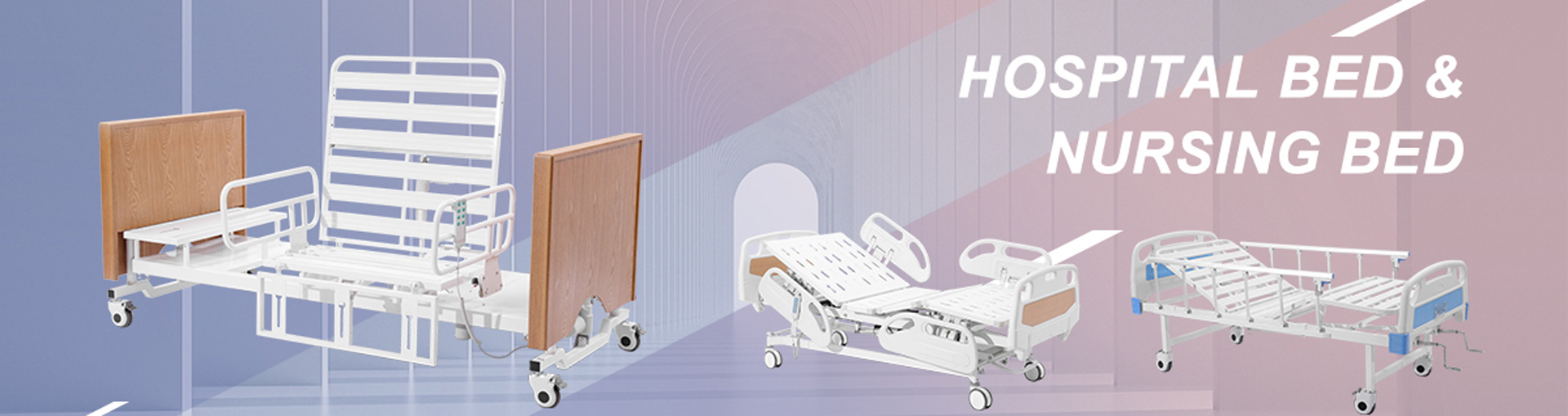
How can a bedside toilet chair promote recovery?
In modern healthcare systems, attention is often focused on large medical equipment, advanced treatment technologies, and professional nursing teams, while seemingly simple assistive devices that have a profound impact on patient recovery are easily overlooked. The bedside commode chair is a prime example.
For long-term bedridden patients, post-operative recovery patients, the elderly, people with disabilities, and patients with limited mobility, the bedside commode chair is not merely a convenient toileting aid, but also a crucial tool for maintaining dignity, reducing care risks, promoting early mobilization, and improving rehabilitation efficiency.
With the increasing global aging population, the growing number of patients with chronic diseases, and the rapidly expanding demand for hospital, nursing home, and home care, the bedside commode chair is gradually evolving from a traditional assistive device into an important component of the modern care system. According to UN data on population aging, by 2050, the global population aged 60 and over will exceed 2.1 billion, accounting for more than 20% of the total population.
Meanwhile, the number of people with orthopedic diseases, neurological diseases, cardiovascular diseases, and long-term care needs will continue to grow. Against this backdrop, improving patients' daily living abilities, reducing the burden of care, and decreasing the incidence of complications have become important issues facing both the medical and nursing industries.
For many medical institutions, a common but often overlooked problem is that while patients' treatments are often highly specialized, their basic living needs during the care process are not given sufficient attention. For many patients in the postoperative recovery phase, the transfer from the intensive care unit, the rehabilitation training phase, and the home care phase, the most difficult thing is not receiving medication, but completing the most basic toileting activity.
Frequent transfers of patients to the toilet not only increase the risk of falls but also increase the workload of nursing staff. Furthermore, prolonged use of diapers or bedpans may lead to decreased patient comfort, damage to self-esteem, and an increased risk of infection. Therefore, the value of bedside toilet chairs in modern nursing extends far beyond the single function of "facilitating excretion"; they have actually become an important tool for promoting patient functional recovery and improving the quality of care.
The Importance of Bedside Toilet Chairs: A Perspective from Nursing Pain Points
In hospital wards, rehabilitation centers, and nursing homes, caregivers face a large number of patients with limited mobility every day. For healthy individuals, getting out of bed and walking to the toilet is a simple action, but for patients who have just undergone hip replacement surgery, those with stroke sequelae, spinal cord injuries, or the very elderly, this process can be fraught with risk.
Studies show that a significant proportion of patient falls occur during nighttime toilet visits. The U.S. Centers for Disease Control and Prevention (CDC) has stated that hospitalized patient falls are among the most common adverse events in healthcare facilities, a substantial portion of which are related to patients going to the toilet alone. For patients with lower limb weakness, impaired balance, or those using walking aids, long-distance movement can lead to falls, fractures, or even readmissions.
Meanwhile, the workload for caregivers is constantly increasing. In situations of strained nursing resources, assisting patients with frequent trips to the toilet consumes a significant amount of time and manpower. If each patient requires assistance with toileting 4 to 6 times a day, and a ward houses dozens of patients with limited mobility, the workload increases exponentially.
The emergence of bedside toilet chairs addresses this practical problem. By placing the toilet facility directly beside the patient's bed, patients can complete toilet activities without having to travel long distances, significantly reducing the risk of falls, improving care efficiency, and enhancing the patient experience.
What is a bedside toilet chair?
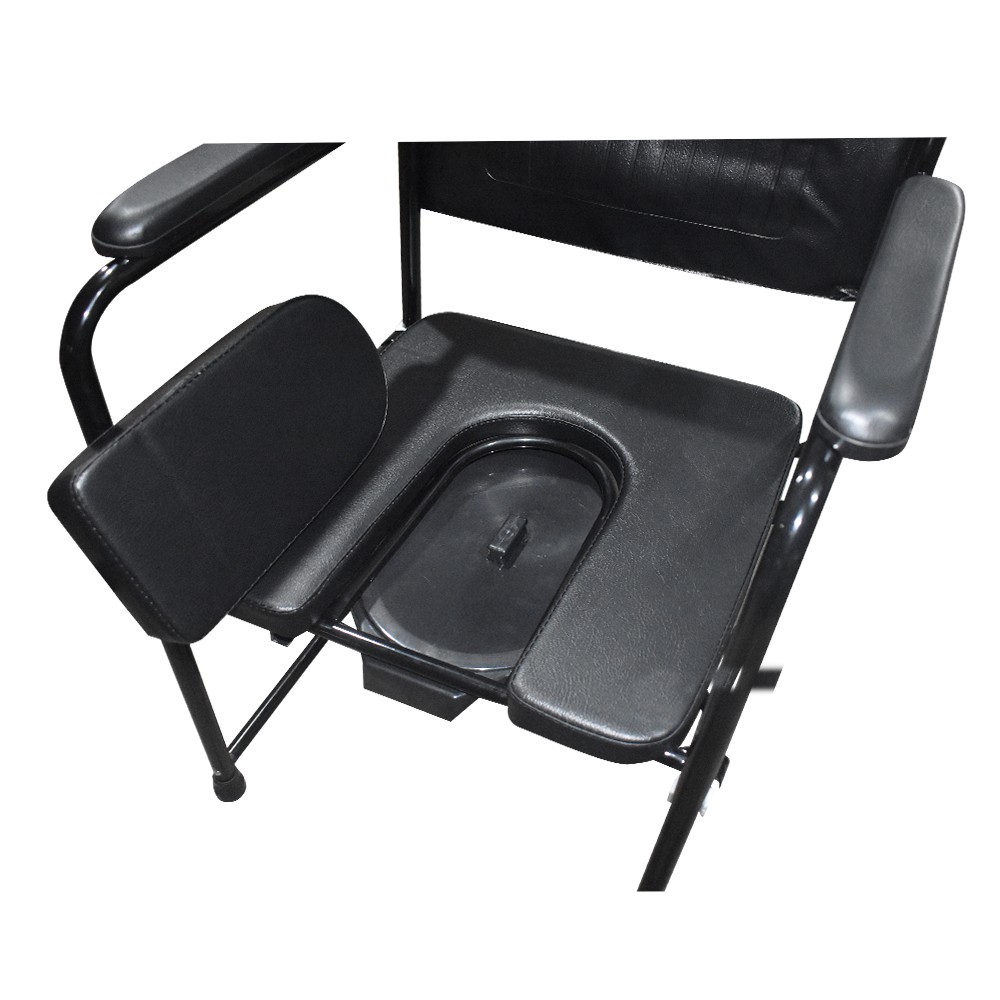
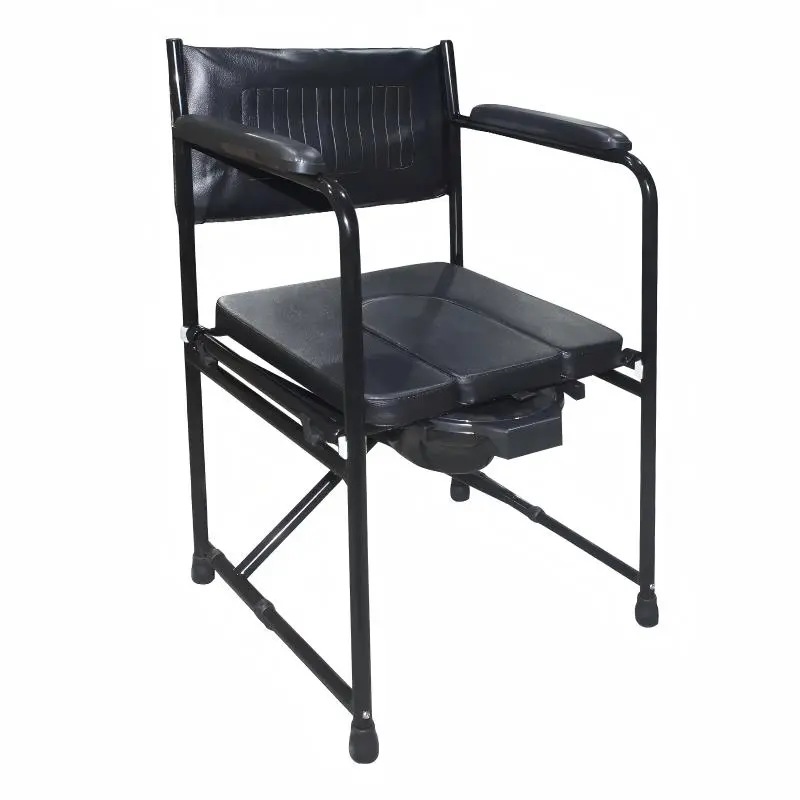
A bedside toilet chair is a portable toilet aid specifically designed for patients with limited mobility. It typically consists of a high-strength metal frame, seat, armrests, a bedpan, and a non-slip support structure, and can be placed directly next to the hospital bed.
Modern bedside toilet chairs are no longer just simple commode chairs in the traditional sense, but rather comprehensive assistive devices that integrate ergonomics, safety design, and care needs.
Depending on the application scenario, bedside toilet chairs can be categorized as follows:
• Standard bedside toilet chair;
• Foldable bedside toilet chair;
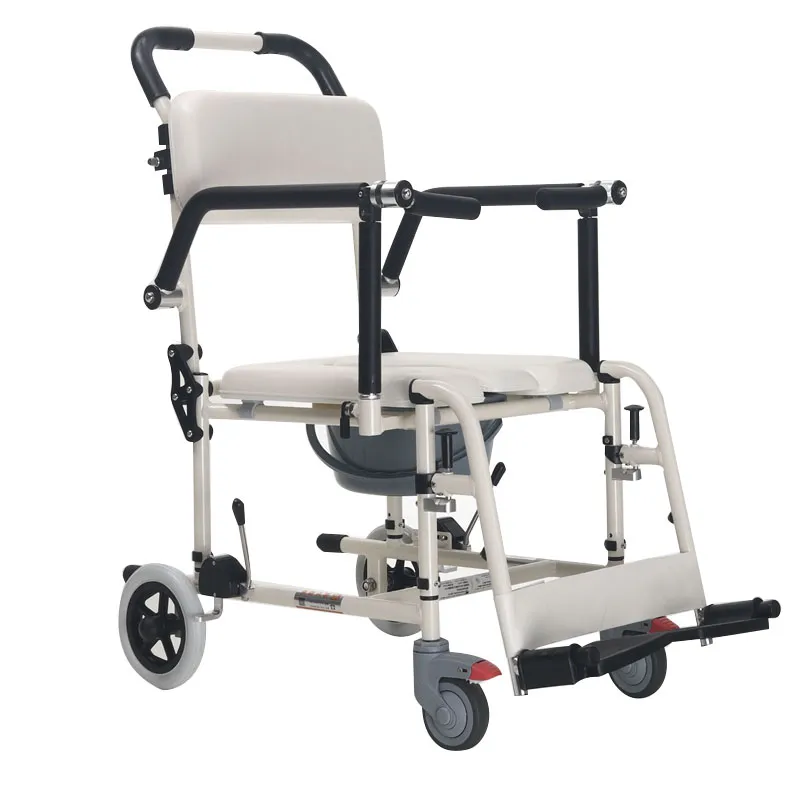
• Wheeled movable bedside toilet chair;
• Shower-compatible bedside toilet chair;
• Electric lifting bedside toilet chair;
• Heavy-duty load-bearing bedside toilet chair;
• Bedside toilet chair specifically designed for rehabilitation training.
These products are widely used in hospital wards, rehabilitation centers, nursing homes, care facilities, and home care environments.
How do bedside toilet chairs promote early recovery of patients' mobility?
In recent years, the international rehabilitation medicine field has increasingly emphasized the concept of "early mobilization."
Traditional care models often require patients to remain in bed for extended periods. However, numerous studies have found that prolonged bed rest can lead to:
• Muscle atrophy;
• Joint stiffness;
• Decreased lung function;
• Increased risk of thrombosis;
• Increased incidence of pressure ulcers;
• Deterioration of psychological state.
Data shows that healthy adults may experience a 10% to 15% decrease in lower limb muscle strength after a week of bed rest; the decline is even faster in elderly patients.
Bedside toilet chairs play a crucial role in this process.
The process of transferring a patient from their bed to a bedside toilet chair is itself a form of low-intensity functional training. Patients need to perform the following actions:
• Turning over;
• Sitting up;
• Standing;
• Transferring;
• Sitting down;
• Standing up again.
These movements activate core muscles and lower limb muscles, helping patients gradually regain physical function.
For post-orthopedic surgery patients, bedside commode chairs can promote weight-bearing training while ensuring safety; for stroke patients, they help rebuild balance and motor coordination.
Therefore, bedside commode chairs are not only a toileting tool but also an important component of the rehabilitation training chain.
How do bedside toilet chairs reduce the risk of falls?
Falls are one of the most concerning issues in the field of medical care.
According to the World Health Organization, approximately 37 million people worldwide require medical attention each year due to falls, with the elderly being a high-risk group.
In hospital environments, nighttime toilet breaks are a peak time for falls. Patients are prone to losing their balance while walking due to insufficient light, fatigue, medication effects, and physical weakness.
Bedside toilet chairs significantly reduce the distance patients need to travel.
From a traditional hospital bathroom, which may require a walk of 10 to 30 meters, to a bedside toilet chair, the journey is reduced to just the bedside, drastically decreasing the time and distance patients are exposed to fall risk.
Furthermore, modern bedside toilet chairs typically feature:
• Non-slip footpads;
• Locking casters;
• Widened seat;
• Stable armrests;
• Anti-tipping structure.
These designs further enhance patient safety.
For nursing homes, the appropriate deployment of bedside commode chairs has become a crucial measure for fall prevention and management.
How do bedside commode chairs improve patient dignity and mental health?
Medical care is not only about physical treatment but also includes psychological support.
Many patients experience intense feelings of shame and helplessness after losing the ability to use the toilet independently.
Prolonged use of diapers or complete reliance on caregivers for toileting can easily lead to:
Decreased self-esteem;
Increased anxiety;
Increased depressive tendencies;
Decreased motivation for recovery.
Bedside toilet chairs can help patients retain a degree of independence.
Even if patients cannot walk to the toilet, they can still independently complete part of the toileting process.
This autonomy is crucial for restoring patient confidence.
Especially during long-term rehabilitation, bedside toilet chairs can help patients rebuild trust in their physical recovery, thereby improving treatment adherence and motivation for recovery.
How do bedside toilet chairs improve care efficiency?
With the increasing shortage of caregivers, improving care efficiency has become a key issue for healthcare institutions worldwide.
In traditional care models, assisting patients to the toilet typically involves:
• Helping the patient get out of bed;
• Transporting them using a wheelchair;
• Accompanying them into the toilet;
• Assisting them with toileting;
• Returning them to their bed.
The entire process can take 15 to 30 minutes.
However, using a bedside toilet chair significantly simplifies the care process.
Patient transfer distances are shortened, reducing the physical exertion of caregivers and significantly improving work efficiency.
For nursing homes and long-term care facilities, bedside toilet chairs effectively optimize the allocation of care resources, allowing care teams to dedicate more time to professional nursing and rehabilitation guidance.
Applications of Bedside Toilet Chairs in Different Medical Scenarios
The application of bedside toilet chairs is very broad.
In general hospital wards, bedside toilet chairs are suitable for:
• Orthopedic patients;
• Neurological patients;
• Cardiovascular disease patients;
• Oncology patients;
• Postoperative recovery patients.
In the recovery phase after being transferred from the intensive care unit, although patients are no longer in immediate danger, their mobility has not fully recovered. A bedside toilet chair can help them gradually regain their ability to live independently.
In rehabilitation centers, bedside commode chairs are often incorporated into functional training programs, used in conjunction with walking, balance, and transfer training.
In elderly care facilities, bedside toilet chairs are one of the most important pieces of equipment in elderly care.
In home care environments, bedside toilet chairs significantly reduce the burden on family caregivers.
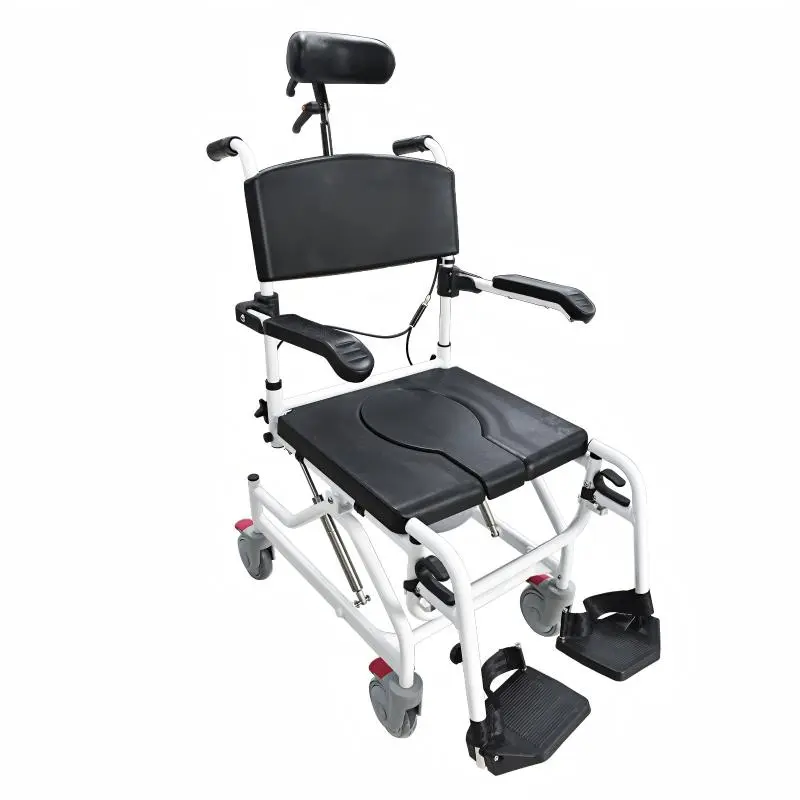
What characteristics should a high-quality bedside toilet chair possess?
With the development of the nursing equipment industry, the variety of bedside toilet chairs on the market is becoming increasingly diverse.
A high-quality bedside toilet chair should generally possess the following characteristics:
First, structural stability.
The bedside toilet chair must be able to withstand long-term, high-frequency use and maintain good stability.
Second, ergonomic design.
A reasonable seat height, armrest height, and seat width can improve patient comfort.
Third, ease of cleaning.
Medical environments demand extremely high infection control standards; therefore, bedside toilet chair materials must be corrosion-resistant and easily disinfected.
Fourth is safety.
This includes anti-slip design, locking devices, and anti-tipping structures.
Fifth is adaptability.
It should be able to meet the needs of patients of different body types and with different disease types.
As a medical care equipment manufacturer serving global healthcare institutions for many years, Yikang Medical® continuously invests in research and development in ward care equipment, rehabilitation aids, and medical furniture. Our company provides diverse care solutions for hospitals, nursing homes, and home care markets through a rigorous quality management system and production processes that meet international standards. In the design of bedside commode chairs, nursing beds, and rehabilitation aids, the company pays close attention to the balance between patient safety, comfort, and care efficiency, which is also one of the important directions in the development of modern care equipment.
FAQ: Frequently Asked Questions about Bedside Toilet Chairs
FAQ 1: Which patients are suitable for bedside toilet chairs?
Bedside toilet chairs are primarily suitable for patients with limited mobility, including post-operative recovery patients, the elderly, stroke patients, fracture patients, patients with neurological disorders, and long-term bedridden patients.
FAQ 2: Can a bedside toilet chair replace a toilet?
Bedside toilet chairs are mainly used as temporary or assistive toileting devices. They are of significant value to patients with limited mobility, but they do not completely replace toilet facilities.
FAQ 3: Can a bedside toilet chair help patients recover?
Yes. Bedside toilet chairs can help patients complete actions such as sitting up, standing, and transferring, which is helpful for early activity training and functional recovery.
FAQ 4: How does a bedside commode chair reduce the risk of falls?
By shortening the distance patients need to move, providing stable support, and reducing the need for long-distance walking at night, bedside commode chairs can effectively reduce the probability of falls.
FAQ 5: What factors should hospitals consider when selecting bedside commode chairs?
The focus should be on the product's load-bearing capacity, structural stability, safety design, ease of cleaning, ergonomic performance, and long-term durability.